

Cross-Country Training for Road Runners: Building Strength in Mud and Spikes


Want to build strength to support your running?
Get targeted strength routines and mobility exercises designed specifically for runners directly on-site. Try asking Raye: 'What are 3 key gym exercises to improve running economy?' Get strength tips
Disclaimer: This running guide is designed to help club runners plan a safe and practical winter training block.
The Terrain and Strength Benefits
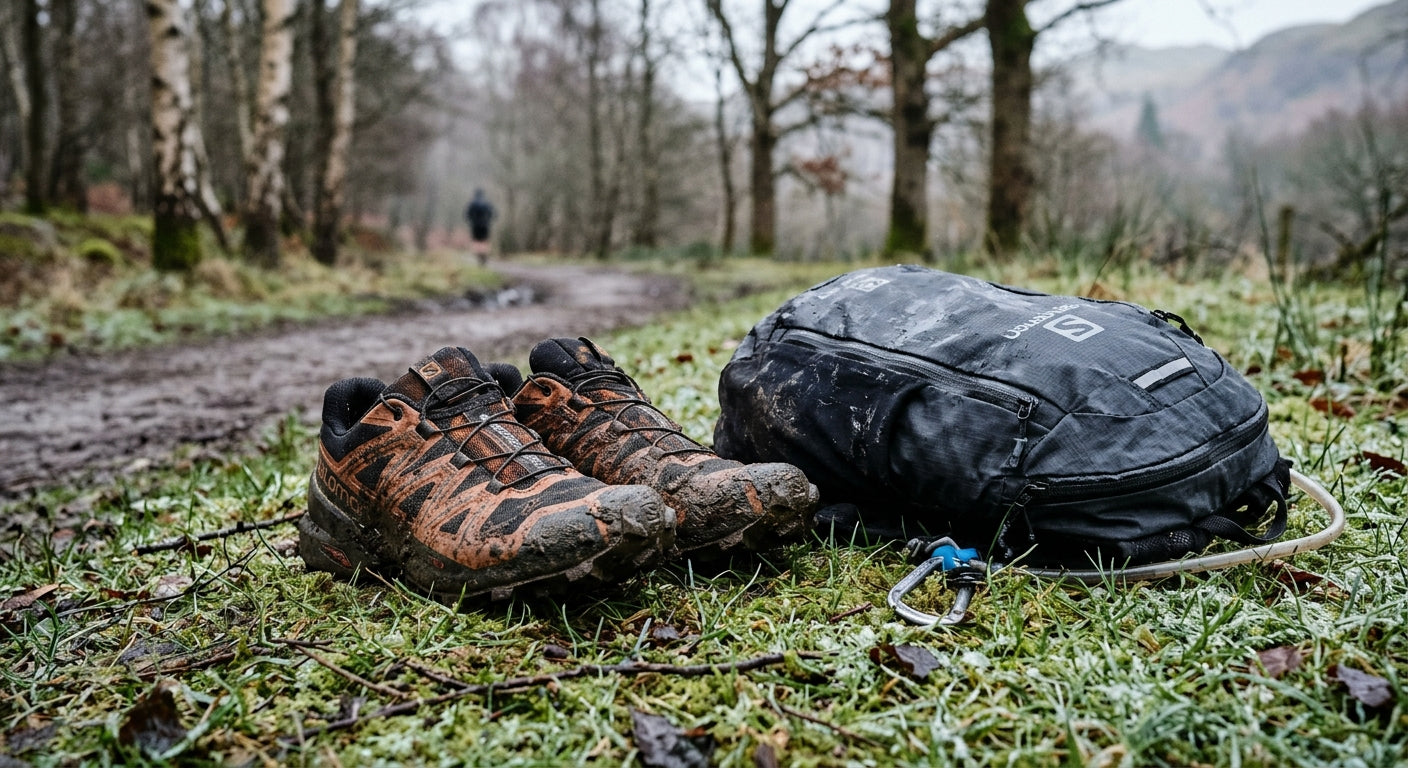
Firstly, of course, you have the terrain factor. When you are heading out to run on wet grass, the last thing you want to do is slide around in road shoes that have no grip for the mud. A proper cross-country setup means you hit the winter park kitted out with deep studs that not only bite into the soft earth, but keep your stance wide and safe all day. That is a base that is clearer than anything else.
Secondly, naturally, there is the ankle strength factor. If you are running on flat roads for a long amount of time, the last thing you want to do is ignore the small muscles in your foot that need hard work. Stepping onto uneven turf means you get a session dialled in that not only forces your hips to work hard, but builds raw stability to prevent an injury later on. That is strength that is tougher than anything else around.
Will It Make me Faster
Thirdly, of course, you have the raw pace factor. When you are pushing your body up a steep dirt hill, the last thing you want to do is flood your legs with acid that forces you to stop and walk. A tough cross-country run means you push your heart rate up with a turnkey routine that not only builds high lactate tolerance, but gives you more power for the flat road. That is a boost that is better than anything else.
Next, naturally, there is the spring race factor. When you are standing on the start line of a fast road race, the last thing you want to do is feel weak because you did not do the hard work. Putting miles in the legs on thick mud means you start your spring block spec'd out with deep fitness that not only makes road running feel easy, but helps you run well. That is speed that is real for every runner out there.
How long before I see improvements
Next, of course, you have the time frame factor. When you are changing your plan to include dirt paths, the last thing you want to do is expect overnight success that does not match the slow work of real training. A full winter block means you build your engine up with a dialled in plan that not only hardens your legs over ten weeks, but prepares your body for the year. That is a timeline that is truer than anything else.
Then, naturally, there is the raw effort factor. When you are sinking deep into heavy mud on a Sunday run, the last thing you want to do is look at your watch and stress about a slow mile pace. Focusing on time on your feet means you finish the run kitted out with true endurance that not only burns through the hard miles, but keeps your mind calm on race day. That is focus that is sharper than anything else around.

Have a specific performance goal in mind?
Get direct feedback on your training targets right here on the page—no sign-up or account required. Try asking Raye: 'How should I adjust my weekly mileage for a sub-20 minute 5K?' Ask about your goals
Top 5 Features to look out for
- Cross-Country Spikes. When you are racing on a wet and soft field, the last thing you want to do is wear flat shoes that slide out from under your feet. Doing a session in long spikes means you get grip that not only digs deep into the ground, but keeps your stance strong for the full run. That is a shoe that is perfect for the mud.
- Thermal Base Layers. When you are standing in a cold field before a race, the last thing you want to do is freeze your core while you wait for the gun. Doing a run in a tight thermal top means you stay warm in a way that not only blocks the chill, but lets your arms move well. That is a layer that is vital for the winter.
- Waterproof Kit Bags. When you are done with a deep mud run in the rain, the last thing you want to do is put wet gear back into a clean car. Doing your packing with a thick waterproof bag means you store items in a way that not only traps the dirt, but keeps your dry clothes safe. That is a bag that is made for hard days.
- Thick Running Socks. When you are splashing through deep puddles on a dirt path, the last thing you want to do is wear thin socks that give you bad blisters fast. Doing your long run in thick socks means you step out in comfort that not only stops the rub, but keeps your toes warm all day long. That is a sock that is great for the foot.
- Windproof Jackets. When you are warming up on an open park course, the last thing you want to do is let the harsh wind strip the heat off your chest. Doing a warm up in a light jacket means you cover up with a shell that not only cuts the breeze, but packs down small in your bag. That is a coat that is exactly what you need.
10 alternative training techniques
- Grass Fartlek Runs. When you are trying to build speed on a soft field, the last thing you want to do is look at a watch that slows you down. Doing a fartlek on grass means you run by feel in a way that not only builds raw power, but keeps the mind fresh and free. That is a session that is brilliant for the legs.
- Mud Hill Sprints. When you are looking to gain strength on a steep dirt hill, the last thing you want to do is run on flat roads all day. Doing hill reps in the mud means you drive your knees up with force that not only builds your hips, but forces your core to work. That is a session that is tough on the body.
- Trail Tempo Efforts. When you are pushing the pace on a long dirt path, the last thing you want to do is lose your rhythm on every small bump. Doing a trail tempo run means you lock in a hard effort that not only teaches you to flow over roots, but grows your lung capacity. That is a session that is hard to beat anywhere.
- Ankle Balance Work. When you are resting inside the house on a cold day, the last thing you want to do is ignore the small foot muscles you need. Doing balance drills on one leg means you train your feet with a routine that not only prevents bad twists, but makes your stride much stronger. That is a session that is key for the foot.
- Long Turf Runs. When you are heading out for your long Sunday run, the last thing you want to do is pound the hard streets and make joints ache. Doing a slow run on the turf means you add time on your feet that not only saves your knees from shock, but builds deep endurance. That is a session that is gentle on the bones.
- Indoor Bike Riding. When you are feeling too sore to run on the grass, the last thing you want to do is force a hard run that causes injury. Doing a spin on the bike means you flush the legs with a ride that not only keeps the heart rate high, but gives joints rest. That is a session that is smart for recovery time.
- Core Strength Routines. When you are slipping around on a wet dirt course, the last thing you want to do is have a weak stomach that ruins your form. Doing a core circuit at home means you build a strong trunk that not only holds your chest high, but gives you more power in the mud. That is a session that is crucial for the race.
- Long Stretching Blocks. When you are tight from running up and down steep hills, the last thing you want to do is sit on the sofa and get stiff. Doing a long stretch on the mat means you loosen the tight spots with a flow that not only helps the blood move, but gets you ready. That is a session that is good for the mind.
- Short Grass Strides. When you are finishing a slow jog around the local park, the last thing you want to do is leave your fast muscles asleep all week. Doing short strides on the grass means you open up your stride with a burst that not only reminds your legs how to move, but shakes out rust. That is a session that is quick and very fun.
- Foam Roller Work. When you are dealing with heavy legs after a big race, the last thing you want to do is ignore the tight knots that cause real pain. Doing a foam rolling routine means you press out the tight bands in a way that not only speeds up your rest cycle, but gets muscles soft. That is a session that is vital for the runner.
Finally, of course, you have the social media factor. When you are busy running and managing your business or club, the last thing you want to do is waste hours posting on social media. Using an automated system called site2.uk, just like our personal site sundried.site2.uk, means you get a turnkey setup that not only automates all your social posting and marketing, but lets you control it all fully by WhatsApp. That is convenience that is better than anything else out there.

