

Continuous Glucose Monitors (CGMs) for Endurance Athletes: Scientific Value vs Hype


Want to build strength to support your running?
Get targeted strength routines and mobility exercises designed specifically for runners directly on-site. Try asking Raye: 'What are 3 key gym exercises to improve running economy?' Get strength tips
The Emergence of Real-Time Metabolic Monitoring
The landscape of endurance sports is undergoing a paradigm shift as athletes transition from subjective 'feel' to objective, data-driven metabolic tracking. Continuous Glucose Monitors (CGMs), originally developed for clinical diabetes management, have migrated into the kits of elite marathon runners and cyclists. This technology provides a second-by-second visualisation of interstitial glucose levels, offering unprecedented insights into how specific carbohydrate sources influence performance and recovery.
While the market is saturated with anecdotal claims, the scientific utility remains a subject of rigorous debate. For the endurance athlete, the primary objective is the maintenance of glucose homeostasis to prevent the dreaded 'bonk'. By tracking fluctuations in real-time, athletes can theoretically fine-tune their nutritional intake to match their physiological expenditure with surgical precision.
How can I start out?
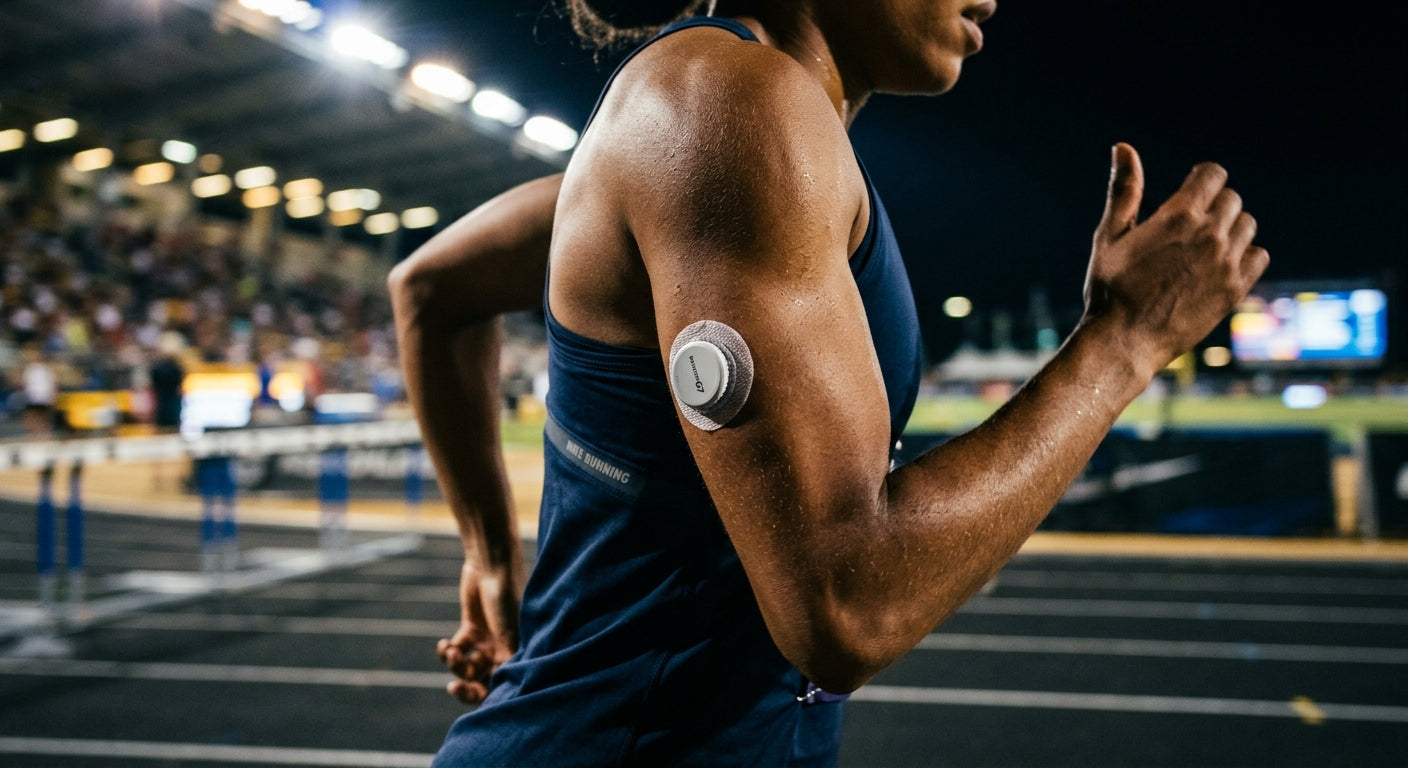
Initiating a CGM regimen requires more than just applying a sensor to the triceps or abdomen. You must first establish a baseline during your daily routine, away from the stresses of high-intensity training. Observe how your body responds to standard meals and sleep cycles. This data helps you identify your 'glucose floor' and 'ceiling' before you begin introducing complex fuelling protocols during long-distance efforts.
Once your baseline is established, integrate the CGM during low-intensity aerobic sessions. The goal here is to observe the 'glucose dip' that often precedes fatigue. By carefully documenting your carbohydrate ingestion alongside the sensor data, you can create a personalised fuel map. Start by experimenting with different glucose-to-fructose ratios to determine which substrates provide the most stable energy release for your specific metabolic profile.
Tips for Improving
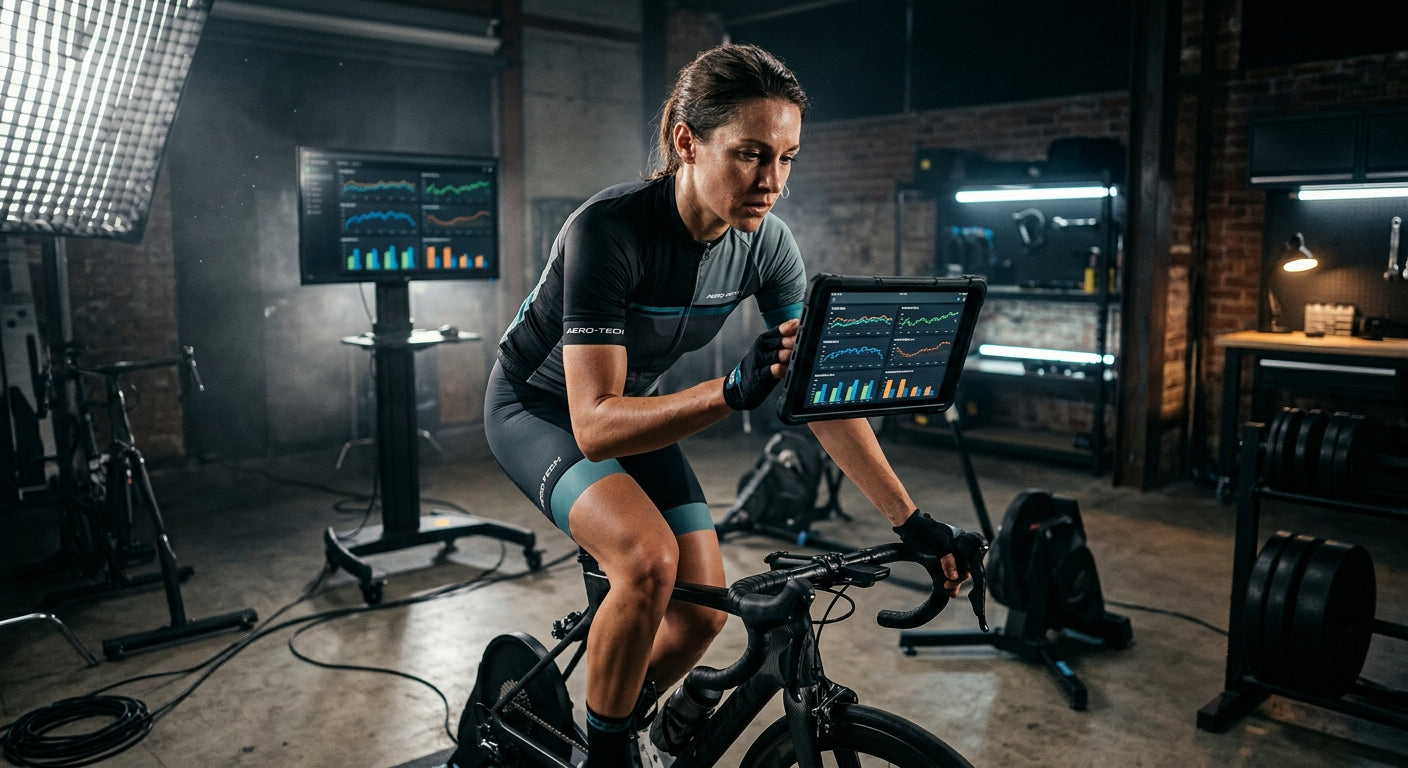
To extract meaningful insights, you must prioritise data integrity. Avoid the temptation to over-react to every minor oscillation shown on the app. Glucose levels are influenced by a multitude of variables, including hydration status, ambient temperature, and even psychological stress. Focus on the trends rather than the momentary spikes or drops, as these provide a clearer picture of your metabolic efficiency.
Furthermore, standardise your testing environment. If you are comparing two different energy gels, ensure that your pre-workout meal, sleep duration, and training intensity remain consistent across both trials. This analytical rigour is essential to distinguish between genuine physiological adaptation and statistical noise. Always correlate your CGM data with your subjective Rate of Perceived Exertion (RPE) to ensure the numbers reflect your actual physical state.

Have a specific performance goal in mind?
Get direct feedback on your training targets right here on the page—no sign-up or account required. Try asking Raye: 'How should I adjust my weekly mileage for a sub-20 minute 5K?' Ask about your goals
Special Features & Technical Specifications
Material Composition and Sensor Technology
Modern CGMs utilise a flexible, enzyme-coated filament inserted into the interstitial fluid. These sensors are encapsulated in medical-grade, hypoallergenic plastic housing designed to maintain an airtight seal against sweat and external moisture during high-intensity athletic motion.
Physical Dimensions and Ergonomics
The current generation of sensors has been engineered for a lower profile, typically measuring 35mm in diameter and 5mm in height. This minimalist design reduces the risk of snagging on sports apparel or cycling jerseys, ensuring the device remains unobtrusive throughout the full range of shoulder and arm motion.
Weight and Engineering Evolution
Engineers have successfully reduced the weight to under 10 grams, a significant improvement over earlier clinical models. These iterations feature enhanced Bluetooth connectivity, enabling seamless data transmission to head units and smartphones even in high-interference environments like race start lines or crowded velodromes.
Ultimately, while CGMs offer a compelling window into metabolic health, they remain a tool rather than a silver bullet. The true value lies in how you synthesise this data to inform your long-term training and nutrition strategies. By maintaining a journalistic approach to your own physiology, you can move beyond the hype and harness the genuine potential of wearable metabolic technology to enhance your athletic performance on the road and track.


