

Training with a Power Meter: A Beginner's Guide


Want to build strength to support your running?
Get targeted strength routines and mobility exercises designed specifically for runners directly on-site. Try asking Raye: 'What are 3 key gym exercises to improve running economy?' Get strength tips
Introduction to Wattage
In the modern era of competitive cycling, the transition from heart rate monitoring to power-based training marks a significant shift in how athletes quantify their exertion. Unlike heart rate, which is a physiological response that can be influenced by caffeine, fatigue, or ambient temperature, a power meter provides an objective measurement of the mechanical work performed on the pedals. This data is the gold standard for precision training, allowing cyclists to bypass guesswork and focus on structural physiological improvements.
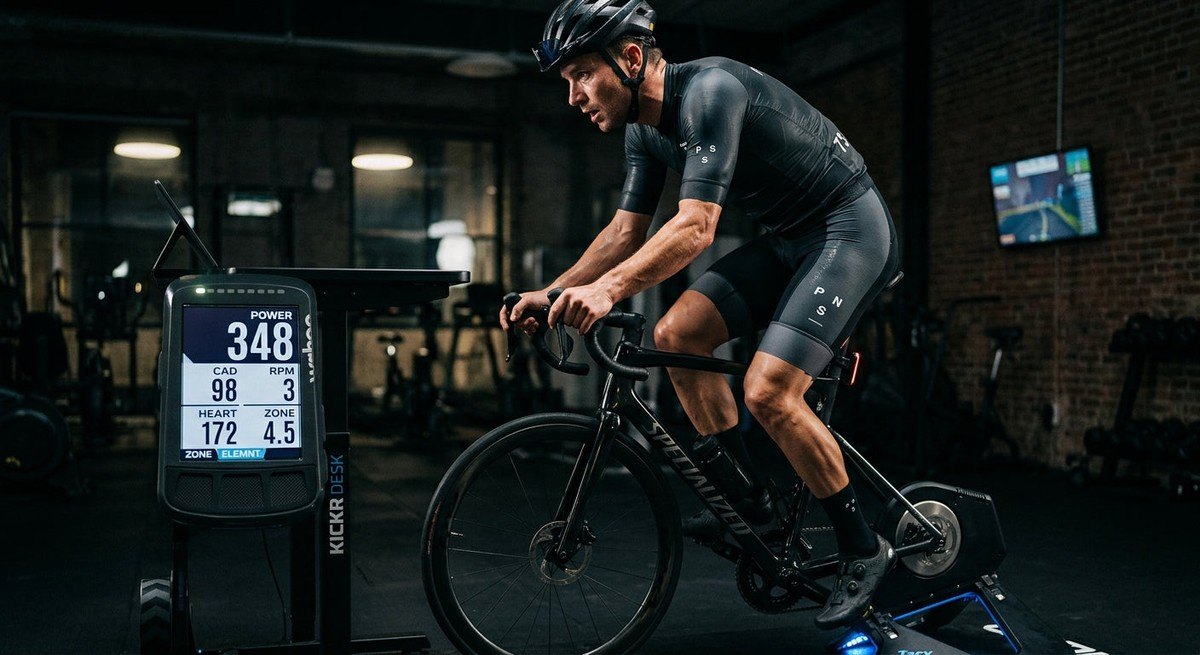
For the uninitiated, a power meter measures force in real-time, expressed in watts. By understanding your power output, you can dissect every ride into actionable metrics. This level of transparency effectively bridges the gap between casual cycling and the rigorous, science-led methodologies used by professional WorldTour teams. Embracing this technology is the first step towards a more scientific approach to your cycling journey.
How can I start out?
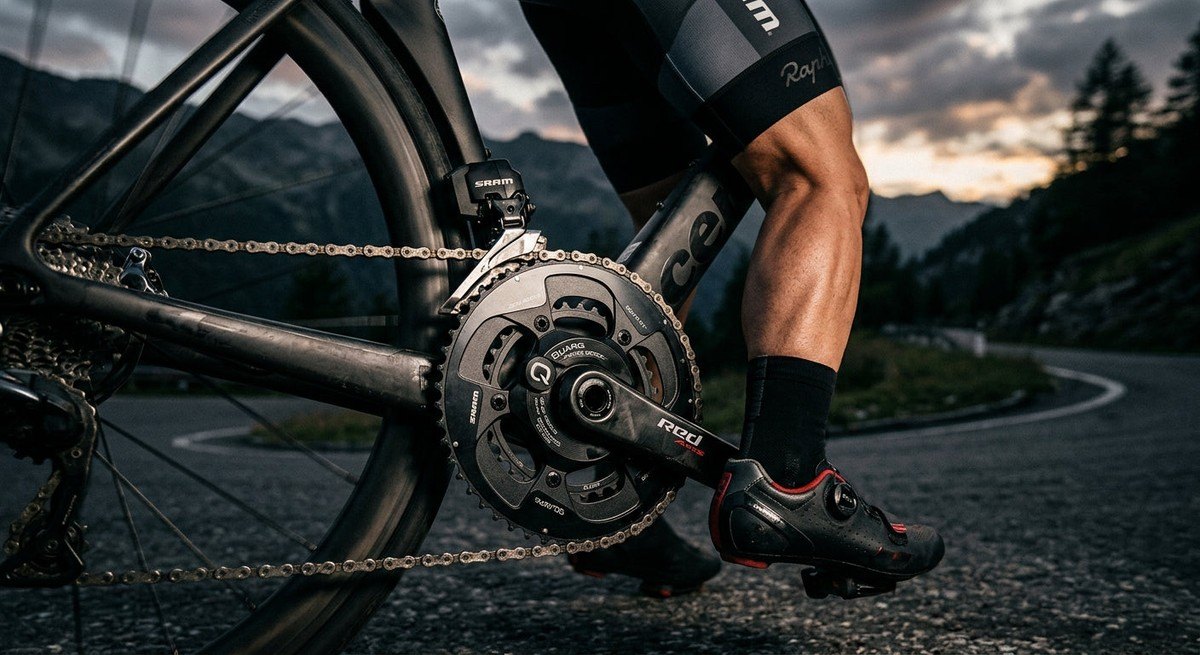
The first hurdle for most riders is the initial investment and the subsequent calibration of hardware. To start, you must prioritise a reliable power meter, whether it is crank-based, pedal-based, or spider-based. Once installed, the primary task is to establish your Functional Threshold Power (FTP). This is the highest average power you can sustain for an hour, and it serves as the cornerstone for all your future training zones.
You should conduct a formal FTP test, typically a 20-minute maximal effort, to set a baseline. Once this number is established, integrate it into a coaching platform like TrainingPeaks or Wahoo SYSTM. These digital ecosystems will automatically calculate your training zones based on your FTP, ensuring that every session you undertake is perfectly calibrated to your current fitness level, neither too easy to trigger adaptation nor too hard to invite overtraining.
The Role of Consistency
Once you have your zones, the key is consistency. Do not attempt to chase high numbers every day. Instead, follow a structured plan that alternates between endurance rides, tempo intervals, and high-intensity threshold efforts. By adhering to a plan, you ensure that you are developing your aerobic base while simultaneously sharpening your top-end speed, creating a balanced and formidable cyclist.
Tips for Improving
Improving your power output requires a disciplined approach to recovery and data analysis. Review your ride files after every session. Look for 'decoupling'—a phenomenon where your heart rate rises while your power output remains constant. This is a clear indicator of aerobic fatigue and should guide your future training load. If you notice persistent decoupling, it is time to prioritise recovery over intensity.

Have a specific performance goal in mind?
Get direct feedback on your training targets right here on the page—no sign-up or account required. Try asking Raye: 'How should I adjust my weekly mileage for a sub-20 minute 5K?' Ask about your goals
Furthermore, focus on cadence variability. A common mistake among beginners is 'mashing' a high gear. Use your power meter to experiment with different cadences at the same wattage. You will likely find that higher cadences reduce muscular fatigue, shifting the burden from your legs to your cardiovascular system. This is a critical adjustment for long-distance performance and sustained climbing efficiency.
Special Features & Technical Specifications
Material Composition
Modern power meters utilise aerospace-grade aluminium alloys or carbon fibre composites to maintain structural integrity under extreme torque. These materials are chosen to minimise flex, ensuring that the strain gauges embedded within the unit receive pure, undistorted data signals regardless of the rider's output.
Physical Dimensions and Weight
Advancements in miniaturisation have seen unit weights drop significantly. Most pedal-based systems now add less than 20 grams per side compared to standard pedals. Crank-based systems have also become more streamlined, with low-profile housings that ensure compatibility with a wider range of bottom bracket standards and frame geometries.
Engineering Evolution
Compared to previous generations, current power meters feature improved temperature compensation algorithms. These systems automatically recalibrate to account for the metal expansion and contraction caused by fluctuating outdoor temperatures, ensuring that your data remains accurate within a margin of plus or minus one per cent, an unprecedented level of precision for consumer-grade electronics.
Conclusion
Training with a power meter is not merely about buying expensive hardware; it is about adopting a new philosophy of measurement and accountability. As you become more familiar with your data, you will find that your understanding of your own body evolves. You will learn to pace climbs with surgical precision, recover more effectively, and ultimately, reach your physical potential with greater efficiency and insight than ever before.


