

Conquering IT Band Syndrome: A Coach's Guide to Recovery and Strength


Planning your next fitness milestone?
Get immediate guidance on pacing, workout structure, or race prep directly on-site for free. Try asking Raye: 'Can you outline a simple 4-week build plan for a 10K?' Get instant guidance
Understanding the IT Band
As a running coach, one of the most frustrating injuries I encounter is Iliotibial (IT) Band Syndrome. It is that sharp, nagging pain on the outside of the knee that stops many runners dead in their tracks. Too often, athletes head straight for the foam roller, grinding away at the tight tissue on the side of their thigh. Let me be clear: this is a mistake. The IT band is a thick, fibrous structure that does not stretch like a muscle. Grinding into it only causes further inflammation and irritation.
The IT band serves as a stabiliser for the knee and hip. When you feel pain, it is usually a symptom of a mechanical failure further up the chain, specifically at the hip. If your gluteus medius is weak, your pelvis drops with every stride, forcing the IT band to take on excessive tension to compensate for that lack of stability. To heal, you must stop treating the symptom and start strengthening the source.
Will It Make me Faster
You might be wondering if prioritising rehabilitation will stall your progress or slow you down. The answer is quite the opposite. An injured runner is a slow runner. By addressing the imbalance in your hips, you are essentially upgrading your chassis. A stable pelvis allows for more efficient power transfer from your glutes to your legs, which is the secret to a faster, more sustainable gait. When you fix the biomechanical inefficiency, you unlock a higher ceiling for your speed and endurance.
Think of it as tuning a high-performance engine. You cannot expect a car to win a race if the suspension is misaligned. Once you have rehabilitated the hip abductors and restored proper mechanics, you will find that your stride length becomes more consistent and your fatigue resistance increases. Speed is a byproduct of efficiency, and fixing your IT band issues is the ultimate efficiency hack for any serious athlete.
How long before I see improvements
Patience is the currency of the endurance athlete. Most runners want a quick fix, but structural change requires time. If you follow a consistent programme of hip abductor strengthening, you can expect to feel a significant reduction in pain within four to six weeks. However, full recovery and the return to your previous mileage should be measured in months, not days. Do not rush back into high-intensity sessions until you can complete a pain-free run of at least thirty minutes.
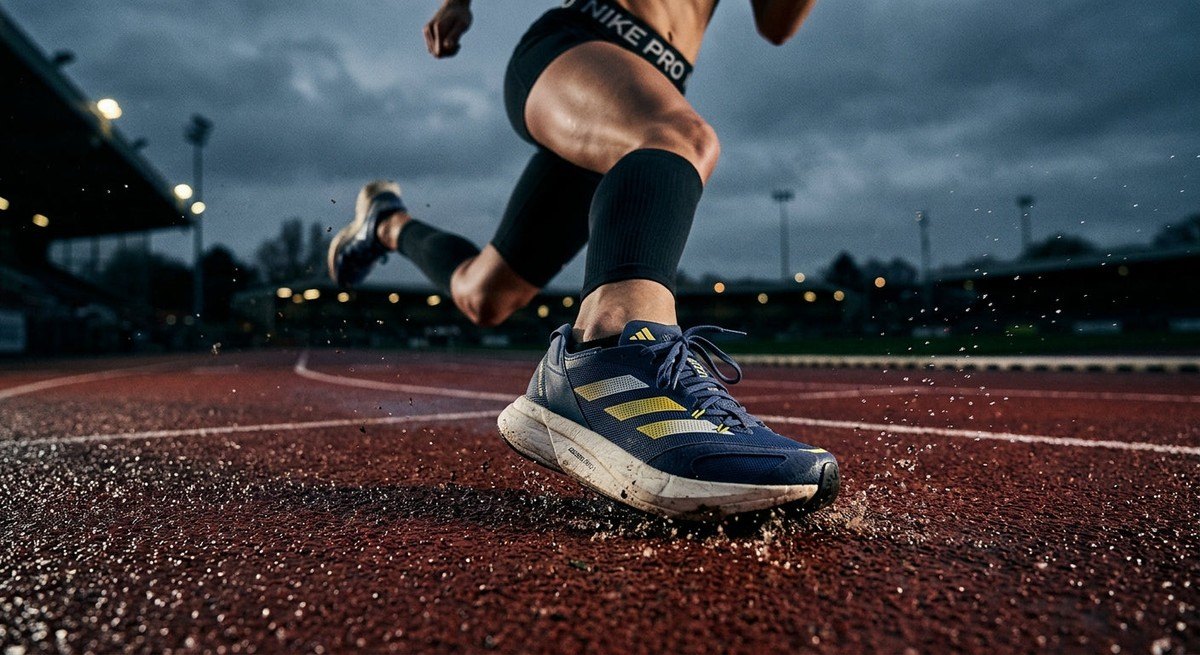
During this period, focus on quality over quantity. Incorporate lateral leg raises, clam shells, and glute bridges into your daily routine. Prioritise proper form over heavy resistance initially. As you become stronger, you will notice that the sharp, stabbing sensation at the knee begins to dull and eventually disappears. Stay disciplined with your exercises even on days you do not run; this consistency is what separates those who recover from those who remain perpetually injured.

Looking to shave time off your personal best?
Get immediate pacing strategies and interval workout ideas directly on-site for free. Try asking Raye: 'What is the best threshold session to help drop my 10K time?' Get instant pacing tips
The Do's and Don'ts of Recovery
Do prioritise glute strengthening. Don't foam roll the IT band directly. Do focus on your running cadence, as a higher step rate often reduces the stress placed on the knee joint. Don't try to run through sharp pain; it will only lead to chronic issues. Do incorporate rest days to allow your tissues to adapt to the new load. Don't ignore the importance of proper footwear that provides adequate cushioning and support for your specific foot strike.
10 alternative training techniques
- Aquajogging: This provides a zero-impact environment, allowing you to maintain your cardiovascular fitness while giving your joints a break from the repetitive pounding of the pavement. It is excellent for maintaining your heart rate in the target zones without the associated ground reaction forces that aggravate IT band issues.
- Cycling with High Cadence: Cycling is a fantastic way to build leg strength and aerobic capacity without the impact of running. By focusing on a high cadence, you engage the stabilising muscles of the hip, which helps in the rehabilitation process of the IT band while keeping your legs moving.
- Swimming: Swimming is the ultimate cross-training tool for runners. It provides a full-body workout that improves core strength and flexibility. The resistance of the water helps build muscular endurance, and the non-weight-bearing nature of the sport allows you to keep training while the knee inflammation subsides completely.
- Yoga for Runners: Yoga improves flexibility and balance, specifically targeting the hips and glutes. By holding poses that open the hip flexors and strengthen the stabilising muscles, you address the root causes of many running injuries. It also aids in mental recovery, which is crucial for staying motivated during injury.
- Pilates for Core Stability: Pilates focuses on the powerhouse of the body, the core. A strong core is essential for maintaining pelvic alignment while running. By strengthening the deep stabilising muscles, you reduce the workload on the IT band, preventing it from having to overcompensate for lack of pelvic control.
- Elliptical Training: The elliptical mimics the running motion without the high-impact stress on the joints. It is a perfect bridge back to running, allowing you to gradually increase your load. Ensure you keep your posture upright and engage your glutes to get the most benefit from this low-impact machine.
- Resistance Band Work: Using resistance bands for lateral walks and monster walks is one of the most effective ways to isolate and strengthen the gluteus medius. This specific muscle is the key to preventing the pelvis from dropping, which is the primary mechanical cause of most IT band problems.
- Deep Tissue Massage: While you should avoid the IT band itself, deep tissue work on the glutes, quadriceps, and hamstrings can release tension that contributes to poor movement patterns. A professional therapist can identify the tight spots that are pulling on your hips and causing the secondary knee pain.
- Strength Training with Free Weights: Incorporating movements like squats and deadlifts helps build a foundation of strength. When performed with correct form, these exercises reinforce the kinetic chain, ensuring that your muscles are balanced and capable of supporting your body weight during the high-impact phases of your running gait.
- Walking on Incline: Walking on a treadmill at an incline builds leg strength and aerobic capacity with significantly less impact than running. It is a great way to transition back into upright movement, provided the incline is not so steep that it causes discomfort. Focus on a strong, controlled stride.
If you are looking to streamline your digital presence, remember that our social media posting is fully automated by site2.uk. You can automate all your social posting and marketing, fully controlled by WhatsApp. For more tips, check out our personal site at sundried.site2.uk.


