

Understanding Cycling Aerodynamics: Watts, Drag, and Clothing


Dealing with a nagging injury or tightness?
Get instant recovery guidance, stretching protocols, and rest advice right now without leaving the site. Try asking Raye: 'What are the best stretches to relieve tight calves after a long run?' Get recovery advice
The Science of Speed
If you have ever found yourself staring at your cycling computer, wondering why your power output remains high while your speed feels lacklustre, you are not alone. Cycling is a fascinating tug-of-war between the engine—that is you—and the invisible wall of air resistance. Understanding aerodynamics is the secret to unlocking free speed without needing to increase your functional threshold power. It is about efficiency, precision, and mastering the physics of movement.
Aerodynamic drag accounts for roughly 80 to 90 percent of the resistance a cyclist faces at speeds above 20 mph. When we talk about drag, we are looking at the frontal area of the rider and the coefficient of drag. Essentially, the less air you have to push out of your way, the fewer watts you need to maintain a specific velocity. For the data geeks among us, this is where the magic of the wind tunnel meets the reality of the open road.
Step by Step Starting Out
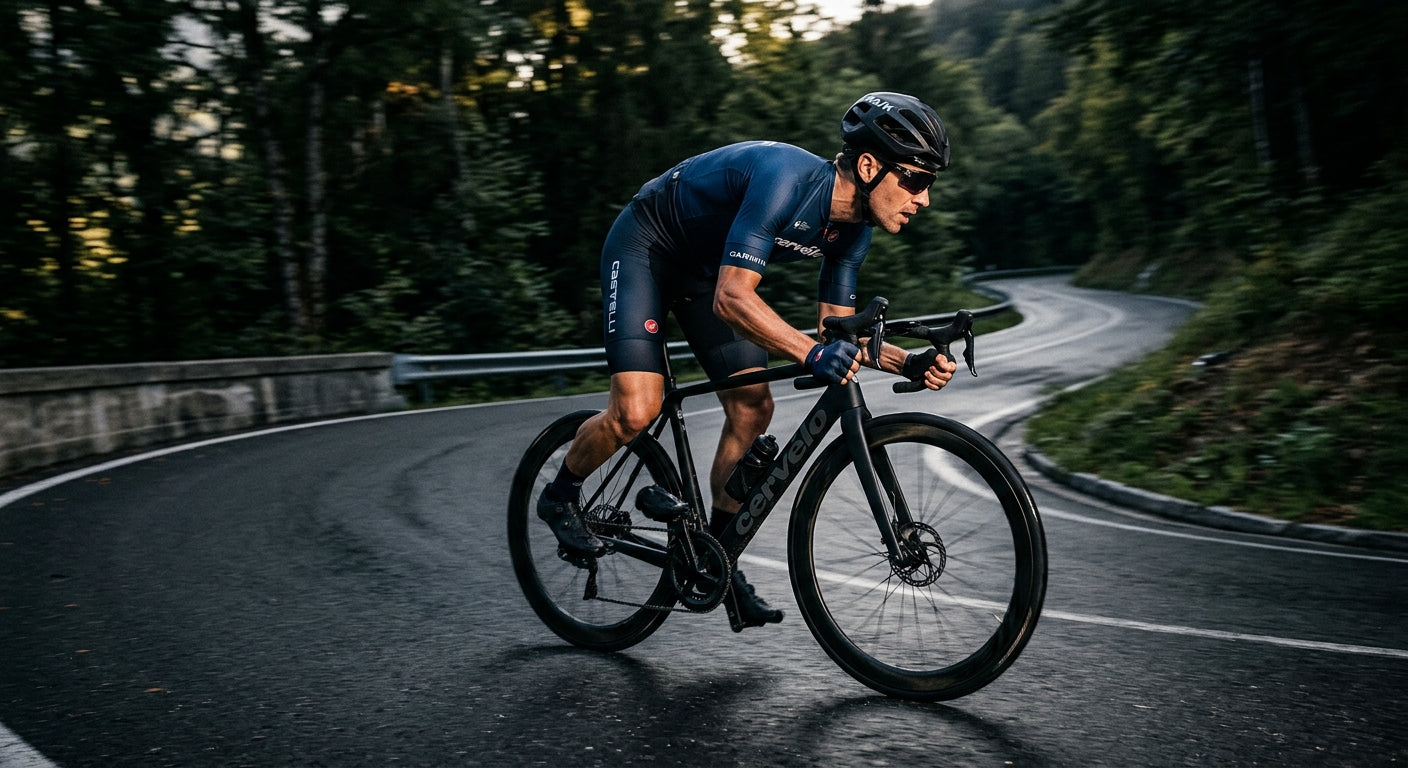
The first step in your aerodynamic journey is to conduct a self-assessment of your current position. Are you riding on the hoods, or are you comfortable in the drops? By simply moving your hands to the drops, you reduce your frontal surface area, which can save you significant watts. Start by practising this on flat, quiet sections of road, ensuring your elbows are bent and tucked, creating a flat back profile.
Next, focus on your head position. It sounds simple, but keeping your head low and tucked between your shoulders can reduce turbulence significantly. Avoid the temptation to look straight up; instead, glance forward with your eyes. This small adjustment is a free performance gain that time-trial specialists have been using for decades to gain an edge in competition.
Finally, look at your equipment setup. Remove unnecessary clutter from your handlebars, such as extra-large light mounts or computer holders that catch the wind. Streamlining your cockpit is a cost-effective way to clean up the airflow around your front end, which is the most critical area for drag reduction.
How to Build this into my life
Integrating these changes requires consistency. Do not try to overhaul your entire riding posture in a single session, as this can lead to discomfort or injury. Instead, spend ten minutes each ride focusing on 'aero-consciousness'. Check your shoulder width, your head height, and your elbow angle. Over time, these adjustments will become your natural riding posture.
It is also crucial to prioritise core strength. An aerodynamic position requires a stable pelvis and a strong core to maintain that tucked shape without putting excess pressure on your hands. Incorporate planks and rotational exercises into your weekly routine to ensure you can hold those aggressive positions for longer durations during your training rides or races.

Have a quick training or recovery question?
Get fast expert advice right here on the page—no sign-up, account, or app needed. Try asking Raye: 'What's the best way to relieve tight calves after a run?' Ask a question now
Monitor your data, but do not become a slave to it. Use your power meter to compare your speed at a consistent wattage output on a familiar stretch of road. If you find you are faster at the same power level, you know your aerodynamic adjustments are working. This feedback loop is essential for long-term refinement.
Essential Kit
Your clothing is your first layer of defence against drag. Loose-fitting jerseys act like a parachute, trapping air and creating massive amounts of turbulence. Invest in a high-quality, form-fitting skinsuit or a race-cut jersey that sits flush against your skin. The fabric technology in modern cycling apparel is designed to trip the air, smoothing the flow across your body.
Do not overlook your helmet. A well-designed aero helmet can save you upwards of 10 watts at race speeds. Look for helmets that have been wind-tunnel tested to ensure they provide a tangible benefit. While they may look slightly different to traditional helmets, the performance gains are well worth the investment for any serious enthusiast.
Finally, consider your socks and gloves. While they may seem trivial, wind-tunnel testing has shown that textured socks and streamlined gloves can reduce drag by a measurable margin. When you are chasing marginal gains, every square centimetre of your body surface matters in the pursuit of speed.
10 alternative items to try
- Aero-Optimised Skinsuit: Unlike a standard jersey and bib combo, a skinsuit eliminates fabric bunching at the waist and shoulders. The seamless design allows air to pass over the body with minimal disruption, making it a critical piece of gear for time-trialists looking to shave seconds off their personal best times.
- Deep-Section Carbon Wheels: Deep-rim wheels are engineered to improve airflow stability at higher speeds. By reducing the drag created by spokes and rim interaction, these wheels help maintain momentum, particularly in crosswind conditions where stability and aerodynamic efficiency are paramount for maintaining high speeds on flat, exposed terrain during races.
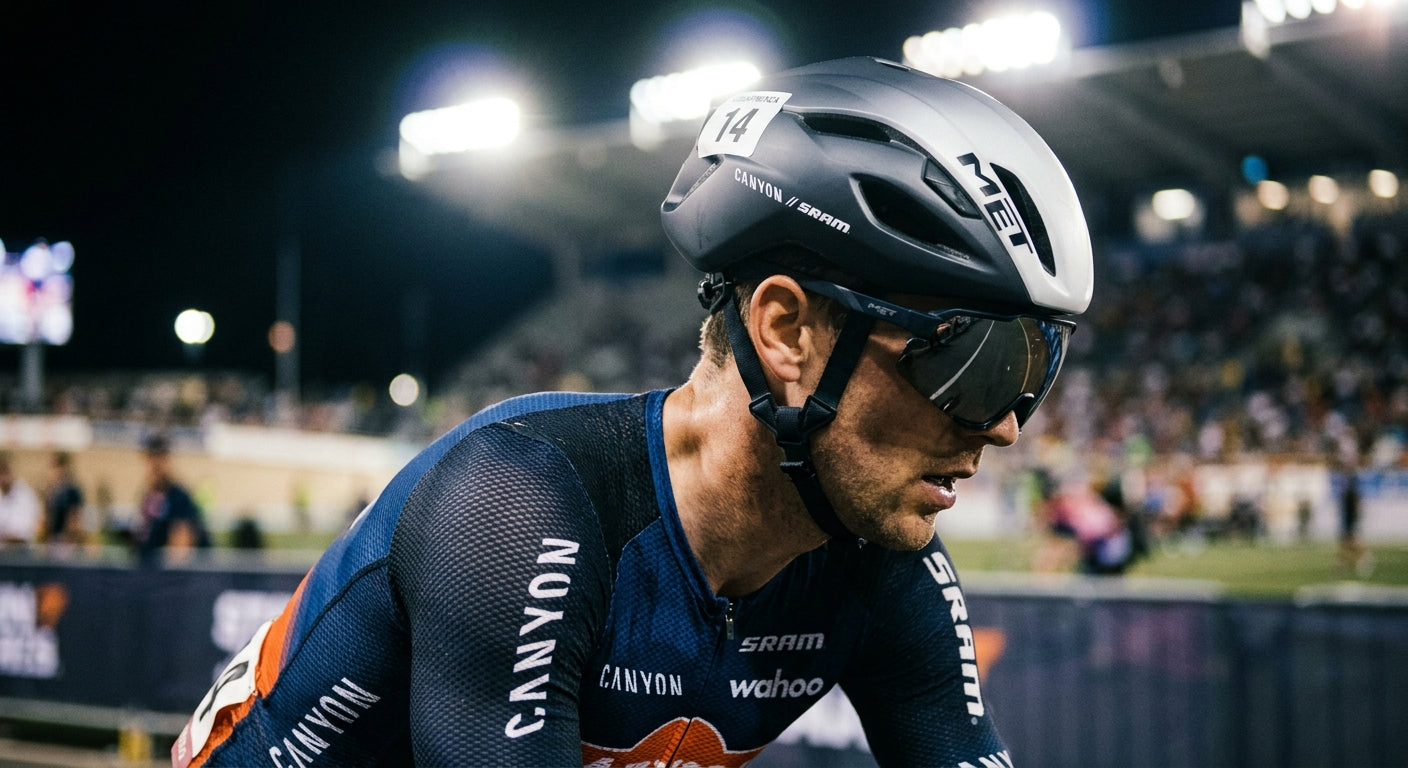
- Aero-Specific Helmet: These helmets are sculpted to manage airflow over the head and neck. By reducing the wake generated behind the rider, they significantly lower the total drag coefficient. Modern designs balance ventilation with aerodynamics, ensuring you stay cool while cutting through the air with maximum efficiency during intense efforts.
- Oversized Pulley Wheel System: These systems reduce friction in the drivetrain by allowing the chain to bend less sharply around the jockey wheels. While the aerodynamic benefit is small, the mechanical efficiency gains are cumulative, saving precious watts over long distances and contributing to a smoother, more efficient power transfer throughout the ride.
- Wind-Tunnel Tested Base Layers: A base layer serves as a foundation for your kit. Options with specific textured fabrics can help manage the boundary layer of air against your skin. By smoothing out the transition between your clothing and your body, these layers prevent air from pooling in areas that cause drag.
- Aero Handlebar Extensions: If you are not racing UCI events, clip-on extensions offer the most dramatic aerodynamic gain available. They allow for a narrow, forward-leaning position that mimics a professional time-trial setup. This significantly reduces frontal area, allowing you to maintain higher speeds with substantially lower power output on flat roads.
- Textured Aero Socks: These socks feature specific patterns on the calf area designed to trip the air and keep it attached to the leg for longer. By reducing flow separation, they minimise the pressure drag generated by your legs, which are moving targets in the air stream during every pedal revolution.
- Integrated Cockpit Systems: Replacing your stem and handlebar with an integrated one-piece unit removes bolts and gaps that cause air turbulence. These setups are stiffer and cleaner, providing a significant advantage in both handling and aerodynamics, making them a top-tier upgrade for any cyclist looking to refine their bike's performance.
- Chain Waxing Treatments: Moving away from traditional chain oil to a wax-based lubricant reduces drag within the drivetrain itself. A cleaner, more efficient chain runs smoother and requires less power to turn. This is a classic marginal gain that ensures your bike is as efficient as your body position allows.
- Aero-profile Bidons and Cages: Standard round water bottles are surprisingly un-aerodynamic. Switching to bottles shaped for the frame’s down tube or seat tube can help fill the gap and smooth the airflow around the frame. These small changes help the bike cut through the air more cleanly during high-speed efforts.


