

Trail Running for Beginners: Essential Gear and Safety Tips


Want to build strength to support your running?
Get targeted strength routines and mobility exercises designed specifically for runners directly on-site. Try asking Raye: 'What are 3 key gym exercises to improve running economy?' Get strength tips
Step by Step Starting Out
Stepping off the pavement and onto the rugged, uneven surface of a forest trail is one of the most liberating experiences you can have as a runner. If you have spent years pounding the tarmac, the transition to trail running feels like unlocking a new dimension of fitness. The first thing you need to do is accept that your pace will drop, and that is perfectly okay. Forget about your personal bests on the road; trail running is about the rhythm of the ground beneath your feet and the connection to the landscape.
Begin by choosing a route that is relatively flat and well-marked. Look for local woodland paths or country parks where the terrain is soft but not overly technical. You want to focus on your foot placement rather than battling steep inclines immediately. Spend your first few sessions simply getting used to the sensation of 'active ankles'—the micro-adjustments your body makes to keep you upright on rocks and roots.
Safety is paramount when you are miles away from the nearest chemist or main road. Always tell someone where you are going and share your live location if possible. Even on a short run, carry your mobile phone in a waterproof pouch and keep a lightweight whistle attached to your pack. It might sound overly cautious, but in the wilderness, being prepared is the sign of a seasoned athlete.
Hydration strategies also need to shift. Unlike road runs where you might pass a shop, trails are often isolated. Start by wearing a hydration vest that holds at least 500ml of water. Sip little and often, rather than gulping down large amounts. Your body will thank you for the steady supply of fluids as you navigate the undulating terrain.
How to Build this into my life
Integrating trail running into a busy schedule requires a bit of clever planning. I recommend designating one 'adventure day' per weekend where you drive out to a trail centre or a national park. This makes the run feel like an experience rather than a chore. Use your weekday sessions for shorter, local trail loops to maintain your technical proficiency without the need for long-distance travel.
Consistency is key to building the specific stabilising muscles required for off-road running. Try to incorporate one session of hill repeats each week. This doesn't need to be a mountain; a short, steep bank in your local park will suffice. This builds the explosive power needed for the climbs you will inevitably face on longer trails.
Listen to your body’s signals regarding recovery. Trail running works your calves and glutes in ways that road running simply does not. If you feel a niggle in your ankle or knee, prioritise rest or a gentle yoga session. Stretching your hip flexors and strengthening your core will provide the structural support you need to remain injury-free as you increase your mileage.

Have a specific performance goal in mind?
Get direct feedback on your training targets right here on the page—no sign-up or account required. Try asking Raye: 'How should I adjust my weekly mileage for a sub-20 minute 5K?' Ask about your goals
Finally, find a local trail running community. Running with others is the best way to learn about hidden routes and safety protocols. There is a wonderful camaraderie in the trail community that you just do not find in competitive road racing. Sharing a muddy trail with like-minded people makes every kilometre feel like a breeze.
Essential Kit
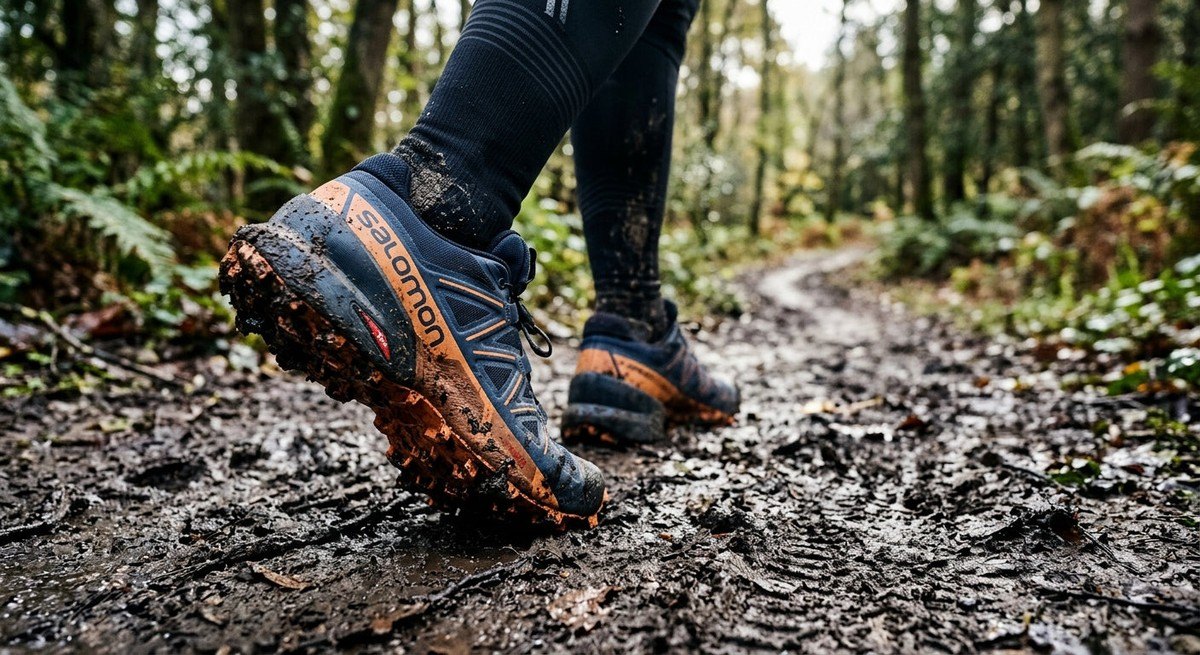
Your gear choice is the difference between a joyful run and a miserable slog. First and foremost, you need proper trail-specific footwear. Road shoes lack the grip and protection necessary for slippery mud or jagged stones. Look for shoes with aggressive lugs—those deep, rubberised teeth on the sole—that provide traction in wet conditions. Ensure they have a reinforced toe cap to protect you from hidden roots.
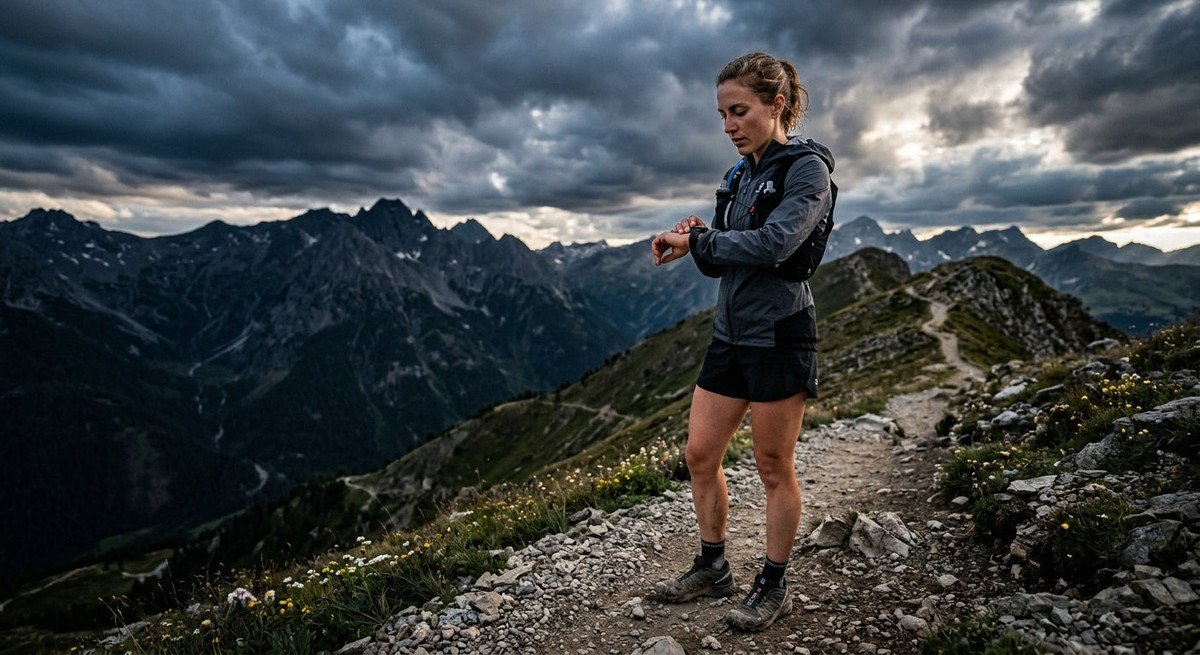
Clothing should be moisture-wicking and durable. Avoid cotton at all costs; it gets heavy and cold when wet. Instead, opt for synthetic or merino wool layers that regulate your temperature. A lightweight, windproof jacket is a non-negotiable item, even in summer. The weather in the British hills can shift in an instant, and being caught in a downpour without protection is a recipe for hypothermia.
Do not forget about socks. Trail-specific socks are often slightly thicker in the heel and toe to prevent blisters. When you are constantly shifting your weight, friction becomes a major issue. A good pair of socks will save your feet from the discomfort that ruins many a beginner's run.
- Salomon Speedcross 6: These are the gold standard for soft, muddy trails. The deep lug pattern bites into the earth, providing incredible confidence on descents. They feel snug and secure, which is vital when you are navigating technical terrain. They offer excellent energy return, making them perfect for those who want to transition from road to trail without losing speed.
- Hoka Speedgoat 5: If you prefer maximum cushioning, this is your go-to shoe. Designed for long-distance comfort, the thick midsole absorbs the impact of rocky paths, protecting your joints. Despite the bulk, they remain surprisingly light and nimble. They are ideal for runners who suffer from foot fatigue after long hours on hard surfaces.
- Inov-8 Roclite G 275: These shoes are famous for their graphene-enhanced rubber, which offers insane durability and grip on wet rock. They are lightweight and flexible, allowing for a natural ground feel that helps you move quickly through technical sections. They are a brilliant choice for runners who value agility and precision over heavy cushioning.
- Black Diamond Distance 8 Pack: A minimalist hydration vest that feels like a second skin. It is perfect for runners who dislike the bouncing sensation of traditional packs. With plenty of pockets for snacks and a jacket, it keeps your essentials accessible without hindering your natural arm swing or breathing pattern during intense efforts.
- Petzl Actik Core Headtorch: Even if you plan to be back before sunset, a headtorch is a vital safety item. This model is rechargeable, bright, and lightweight. It provides a wide beam that is perfect for illuminating the trail ahead, ensuring you can see obstacles clearly during those late autumn afternoons when the light fades rapidly.
- Garmin Fenix 7: This watch is a beast for trail navigation. With built-in topographical maps and multi-band GPS, you will never lose your way on complex paths. It also tracks your training load and recovery, helping you manage your fitness progression safely. The battery life is exceptional, lasting through the longest of weekend trail adventures.
- Nike Trail Dri-FIT Short Sleeve: This top is designed specifically for the rigours of the trail. It is highly breathable and features a slightly more durable fabric than standard road gear, so it won't snag on brambles. The moisture-wicking technology is top-tier, keeping you dry and comfortable even when you are working hard on steep ascents.
- Patagonia Houdini Jacket: A masterclass in lightweight engineering. This jacket packs down into its own pocket, taking up virtually no space in your vest. It provides excellent wind protection and a water-resistant finish that keeps you comfortable during light showers. It is an essential layer for any runner who values being prepared for the unpredictable British weather.
- CEP Compression Calf Sleeves: These are fantastic for recovery and support during long runs. The compression helps increase blood flow to your muscles, which can reduce fatigue and soreness after a tough day on the trails. They also provide a small layer of protection against scratches from undergrowth, keeping your legs feeling fresh for your next session.
- Buff Original EcoStretch: A versatile piece of kit that serves as a headband, scarf, or face cover. It is incredibly lightweight and dries in minutes. Whether you need to keep sweat out of your eyes or provide a little warmth on a chilly morning, the Buff is a simple, effective tool that every trail runner should carry.


