

Qualifying for the Ironman World Championship: 2026 Metrics


Dealing with a nagging injury or tightness?
Get instant recovery guidance, stretching protocols, and rest advice right now without leaving the site. Try asking Raye: 'What are the best stretches to relieve tight calves after a long run?' Get recovery advice
The Road to the World Stage
Let's be honest: the dream of standing on the start line at the Ironman World Championship isn't just about finishing; it is about performance, precision, and pushing your physiological limits. As we look toward the 2026 qualification cycle, the landscape is shifting. The metrics required to secure a slot are becoming more competitive, and if you want to be among the elite who make the cut, you need a strategy that is as disciplined as your training sessions.
Qualifying is no longer just about 'getting it done'; it is about optimising every watt, every stroke, and every transition. You are chasing a marginal gain that separates the podium contenders from the rest of the field. It is a gruelling journey, but for those of us obsessed with the sport, it is the ultimate challenge.
Step by Step Starting Out
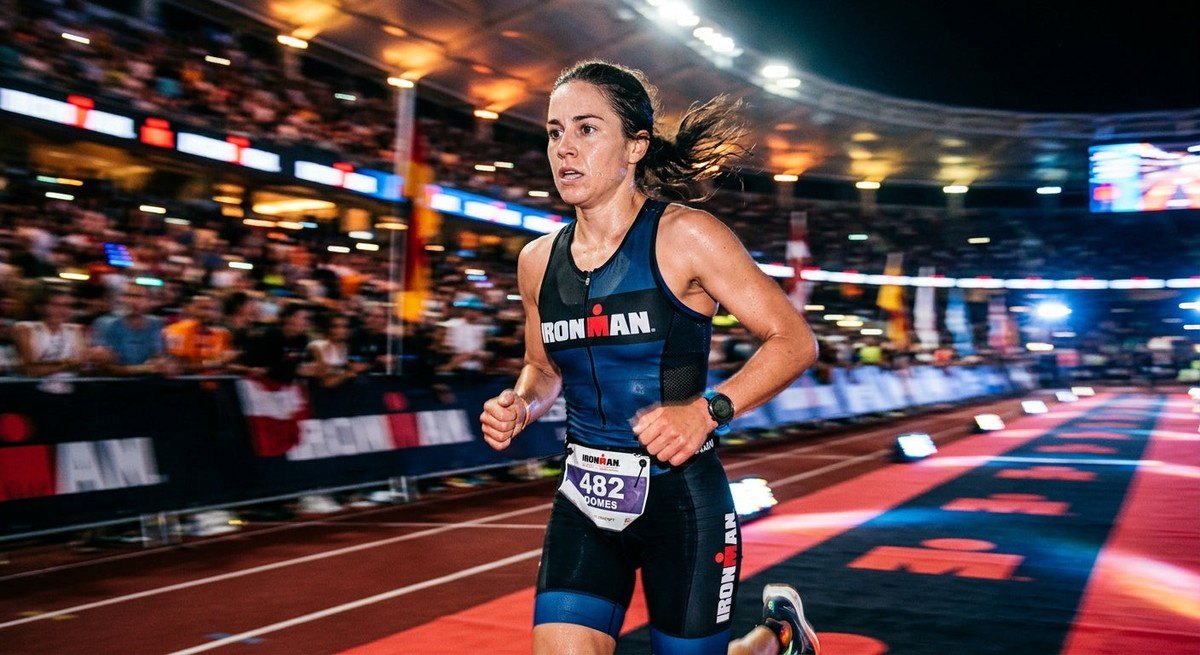
Your first step is an honest audit of your current performance data. You need to review your last three Ironman finishes and calculate your average power-to-weight ratio on the bike and your threshold pace during the marathon. If you are not hitting specific power targets, your training needs to shift from general conditioning to high-intensity threshold work.
Next, you must select your qualifying races with surgical precision. Not all courses are created equal. Look at the 2026 calendar and prioritise races that match your physiological strengths. If you are a powerhouse cyclist, choose a course with significant elevation. If you are a runner who thrives on a flat, fast surface, target those specific venues to maximise your finishing time.
Once your races are set, build a periodised plan. You need to break your year into macro-cycles: base building, build phases, and the all-important taper. Ensure your recovery weeks are as structured as your peak weeks; overtraining is the silent killer of many a qualification dream.
How to Build this into my life
Integrating this level of intensity into your daily life requires sacrifice, but it also requires smart scheduling. I have found that block training—concentrating your high-intensity efforts in the mornings—allows for better recovery and focus throughout the workday. You must prioritise sleep as if it were a scheduled workout; it is when the real gains happen.
Nutrition is the fuel for this engine. You cannot expect to perform at an elite level on a haphazard diet. Work with a performance nutritionist to dial in your carbohydrate intake during long rides and runs. Your ability to process fuel under stress is a key metric that judges will often overlook until it is too late.
Finally, track everything. Use data platforms to monitor your chronic training load and acute fatigue. If your heart rate variability starts to plummet, take a day off. Listening to your body is not a weakness; it is a sign of an athlete who understands the long-term mechanics of success.

Have a quick training or recovery question?
Get fast expert advice right here on the page—no sign-up, account, or app needed. Try asking Raye: 'What's the best way to relieve tight calves after a run?' Ask a question now
Essential Kit
When you are chasing a slot, your equipment must be an extension of your own body. Start with a high-end triathlon bike that has been professionally fitted. A bike fit is not an expense; it is a performance necessity. Aerodynamics are non-negotiable at the world championship level.
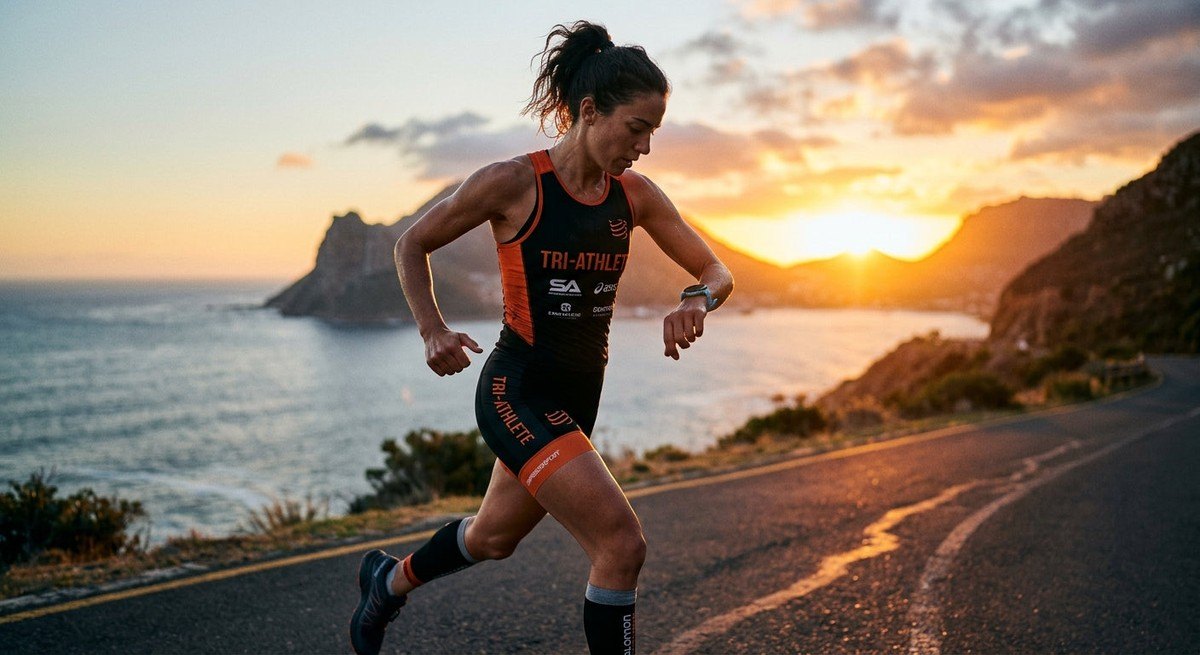
Invest in high-quality race apparel that reduces drag. Every second counts, and modern textiles are designed to manage body temperature and moisture, allowing you to maintain a higher intensity for longer. Do not overlook your run footwear; ensure your racing shoes are broken in but still have the necessary cushioning and energy return for those final, painful kilometres.
Finally, consider your recovery tools. Compression gear, massage guns, and smart tracking devices are essential for maintaining the consistency required to hit those 2026 metrics. Your kit should be reliable, tested, and ready for the rigours of a long-distance race day.
10 alternative items to try
- Aero-Optimised Cycling Helmet: A wind-tunnel tested helmet is crucial for saving watts. By smoothing the airflow over your head and shoulders, you can gain significant time over an Ironman course without increasing your physical output, making it one of the most effective upgrades for any athlete aiming for a championship slot.
- Power Meter Pedals: Precision is everything in 2026. These pedals allow you to track your left-right power balance and cadence with extreme accuracy. By identifying imbalances, you can correct your form, prevent overuse injuries, and ensure that every pedal stroke is contributing to your goal of a qualifying time.
- Carbon-Plated Racing Shoes: These have revolutionised the marathon leg of the triathlon. The carbon fibre plate, paired with high-rebound foam, provides an energy return that helps keep your legs fresh in the final stages of the race. They are essential for any athlete looking to shave those vital minutes off their run.
- Smart Training Watch: A high-end multisport watch is your constant companion. It tracks your training load, recovery time, and sleep quality, providing the data needed to adjust your intensity on the fly. It is the central nervous system of your training regimen, keeping you accountable and informed throughout the season.
- Hydration and Nutrition System: Custom-fitted hydration systems for your bike allow you to drink without leaving your aero position. Staying hydrated and fuelled is a massive challenge in long-distance racing; having a seamless system ensures you hit your hourly calorie and fluid targets, which is critical for performance.
- Compression Recovery Tights: These are designed to increase blood flow and reduce muscle soreness after gruelling training sessions. By accelerating the removal of metabolic waste, you can return to training faster and with higher quality, which is essential for maintaining the high-volume workload required to qualify for the world championship.
- Professional Bike Fit Service: This is the most important 'item' you can invest in. A professional fitter will adjust your position to maximise comfort and power output while minimising aerodynamic drag. A poor fit will lead to injury and wasted energy, whereas an optimal fit unlocks your true potential.
- Deep-Section Carbon Wheels: Wheels with a deep rim profile significantly reduce drag in crosswinds and maintain momentum on flat sections of the course. They are a staple for any serious triathlete, providing a noticeable boost in speed that is essential when every second is being counted toward your qualification.
- Heart Rate Variability (HRV) Monitor: Monitoring your HRV provides an objective window into your nervous system's recovery state. By tracking this daily, you can decide whether to push hard or take an easy day, ensuring that your training is always aligned with your body's current capacity to absorb stress.
- Indoor Smart Trainer: The ability to complete precise, controlled interval sessions regardless of the weather is a huge advantage. A smart trainer allows you to simulate race courses and execute exact wattage sessions, ensuring that your bike fitness is exactly where it needs to be for your target race.

