

The Ultimate Guide to Bikepacking Bags and Racks for 2026


Need performance advice right now?
Ask our on-site coach anything about your routines. It's completely free and available immediately right here: 'What are 3 quick exercises for ankle mobility?' Ask Raye for free
Step by Step Starting Out
So, you have decided to trade the daily commute for the open trail? Brilliant. Bikepacking is truly the best way to see the world, but the sheer volume of gear options can feel a bit overwhelming at first. When you are just starting out, the golden rule is simplicity. Do not rush to fill every inch of your frame with expensive kit. Begin by focusing on your 'big three': the seat pack, the handlebar roll, and the frame bag. These form the core of your setup and will dictate how your bike handles when you are grinding up those steep British hills.
First, prioritise a seat pack that offers decent stability. You want something that does not sway like a pendulum when you stand up to pedal. Look for reinforced stitching and waterproof fabrics, as our unpredictable weather is notorious for turning a light drizzle into a proper soak. Once you have your seat pack sorted, move to the handlebar roll. This is the perfect spot for your sleeping bag and spare layers. Keep it balanced; if it is too heavy, your steering will feel sluggish.
Finally, invest in a frame bag that fits your specific geometry. This is where you store your heavier items, like tools, spare tubes, and snacks, keeping the centre of gravity low and central. By keeping the weight tucked into the frame, you maintain that snappy, responsive feel we all love in a bike. Remember, the goal is to keep the setup light enough that you actually enjoy the ride, rather than just surviving the distance.
How to Build this into my life
Integrating bikepacking into a busy life is all about preparation. I find that keeping my bags packed with the essentials—first aid kit, multi-tool, and basic repair supplies—saves me hours of faffing about before a weekend getaway. If the bag is already loaded, the barrier to heading out the door drops significantly. Treat your kit like a modular system; you should be able to grab it and go without a second thought.
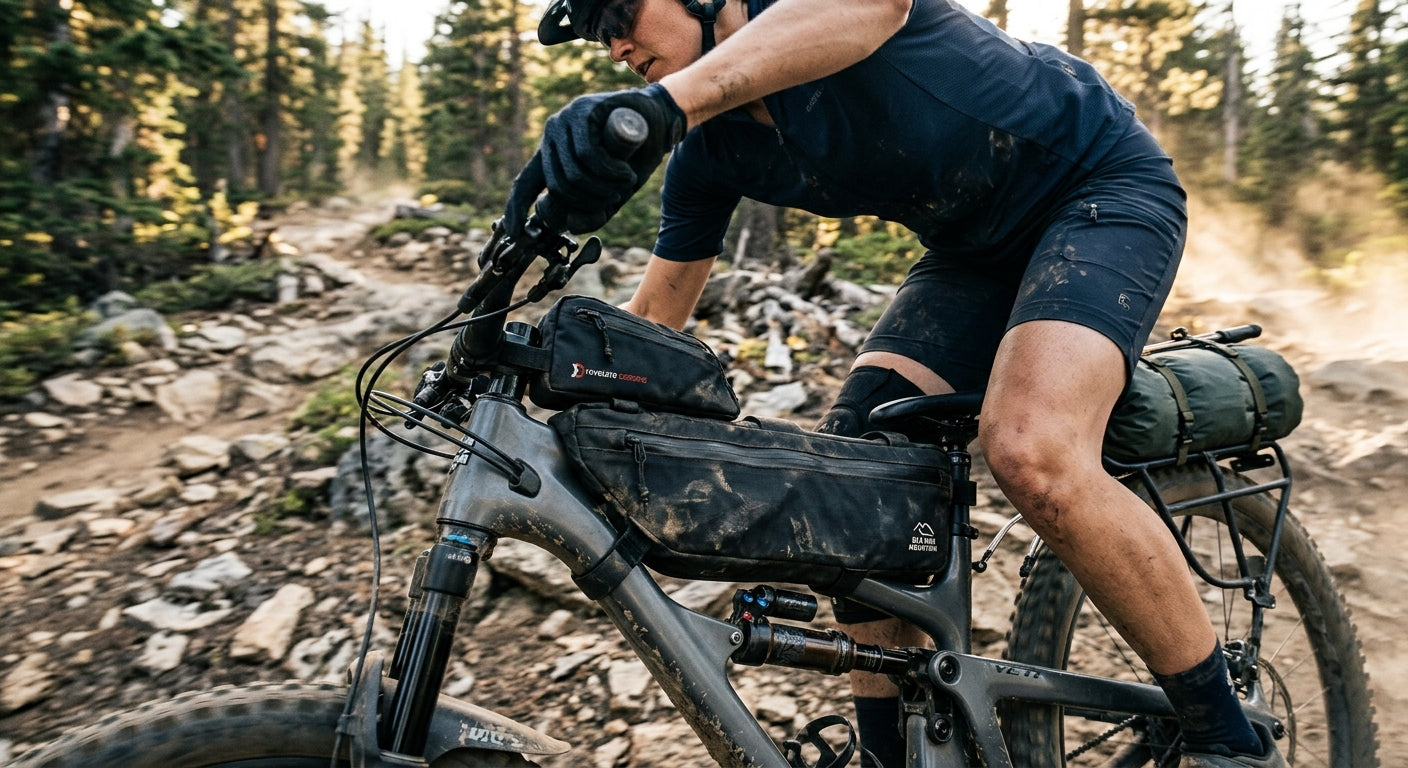
Consistency is key for your body, too. If you are training for a multi-day trek, try loading your bike for a short, two-hour loop once a week. This allows you to test how your gear shifts under pressure and helps you refine your packing technique. You will quickly learn which zips are annoying to reach and which straps need a bit more tension. By building these small adjustments into your routine, you avoid the frustration of mid-trip equipment failures.
Do not be afraid to experiment with your setup. Everyone has a different riding style and physical profile. If you are a taller rider, you might find that larger frame bags offer more volume without interfering with your bottle cages. If you are shorter, you might prefer a combination of smaller bags to ensure you maintain enough clearance. Listen to your bike and your body; if something feels off, adjust it. Your gear should feel like an extension of your ride, not a hindrance to it.

Need a clear race fuelling strategy?
Get instant, practical advice on hydration and race-day nutrition directly on this page for free. Try asking Raye: 'How many grams of carbs should I take per hour during a half marathon?' Ask for fuelling advice
Essential Kit
Beyond the bags, your rack system is the unsung hero of 2026. While many riders love the minimalist approach of strap-on bags, adding a lightweight, rear-mounted rack can be a game-changer for long-distance comfort. It provides a solid platform for your dry bags and takes the weight off your seat post, which is a massive relief if you are riding a carbon frame. Ensure your rack is compatible with your frame mounts and double-check your bolt tightness before every departure.
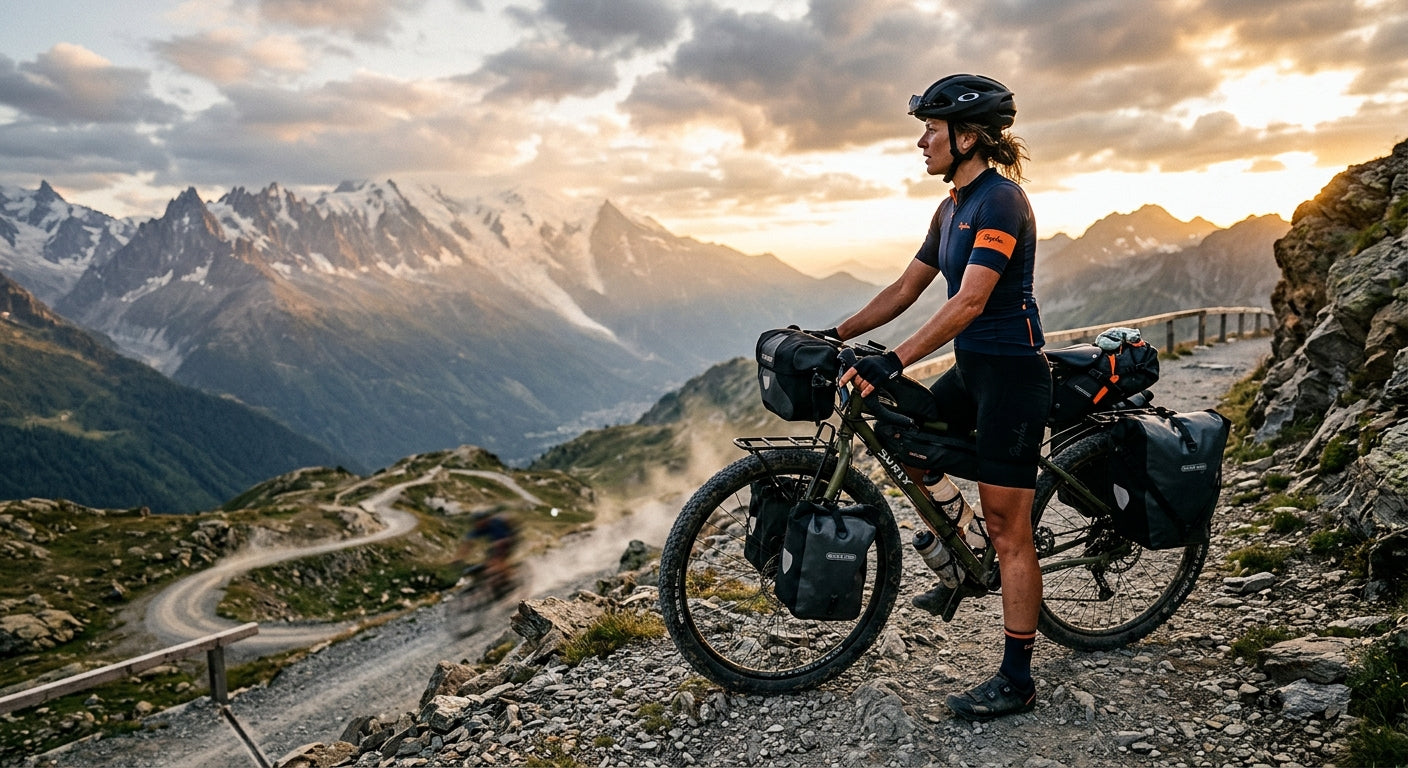
Do not forget the small bits that make life easier: dry bags, compression straps, and protective frame tape. Even the most robust bags can rub against your paintwork, so applying a clear protective film is a smart investment. It keeps your bike looking fresh and prevents long-term damage from grit and grime. Also, keep a few spare Voile straps in your kit. They are virtually indestructible and can be used to secure everything from extra water bottles to an emergency shelter.
Finally, remember that the best gear is the gear that gets you out there. You do not need the most expensive carbon-fibre racks or aerospace-grade fabrics to have an incredible time. Start with what you can afford, focus on the fundamentals of packing, and prioritise reliability over aesthetics. As you gain experience, your setup will naturally evolve to match your ambitions. See you on the trail.
10 alternative items to try
- Restrap Race Frame Bag: This British-made bag is perfect for those who want a sleek, aerodynamic profile. It is incredibly durable and fits snugly into most frames, making it ideal for long-distance racing or rapid weekend trips where speed and efficiency are your absolute top priorities. The waterproof materials ensure your gear stays dry throughout.
- Ortlieb Seat-Pack QR: Known for their legendary waterproofing, Ortlieb has updated their classic pack with a quick-release system. It is brilliant for riders who frequently swap bikes or want to remove their luggage in seconds once they reach the campsite. The stability provided by the mounting system is second to none.
- Apidura Expedition Handlebar Pack: This pack is a staple for a reason. It offers a generous amount of storage while keeping your load perfectly balanced. The roll-top closure allows for easy access to your gear, and the reflective details provide extra visibility when you are cycling through the darker, mistier parts of the day.
- Tailfin Aeropack: If you are looking for the ultimate in stability, the Tailfin system is the gold standard. It integrates a rack and bag into one lightweight unit that eliminates all sway. It is a premium choice, but for those serious about performance and handling, it is arguably the best investment you can make.
- Revelate Designs Terrapin: This system uses a holster and a removable dry bag, which is incredibly convenient for packing. You can leave the holster on your bike and just take the dry bag into your tent at night. It is a rugged, reliable choice that has stood the test of time.
- Blackburn Outpost Elite: These bags are designed for durability and feature a unique mounting system that is very versatile. Whether you are hitting gravel paths or rough mountain trails, these bags stay put. They are also very reasonably priced, offering excellent value for riders who want quality gear without the massive price tag.
- Miss Grape Node Road: For the minimalist rider, this top-tube bag is perfect for keeping your phone, snacks, and keys within easy reach. It is small, lightweight, and does not get in the way of your knees while pedalling. It is a simple piece of kit that makes a huge difference to your daily ride.
- Topeak BackLoader: If you are on a budget, the Topeak BackLoader is a fantastic starting point. It is easy to install, fits a wide variety of seat posts, and provides plenty of space for your sleeping gear. It is built to last and handles the rigours of off-road riding with surprising resilience.
- Wizard Works Lil Presto: This is a beautifully crafted handlebar bag that leans into the aesthetic side of bikepacking. It is perfect for those who want a bit of flair without sacrificing functionality. It is handmade in London and offers a unique, personal touch to your setup that you won't find anywhere else.
- Brooks Scape Saddle Pocket: Sometimes you just need a bit of extra storage for small tools or a spare tube. This high-quality bag is designed to sit neatly under your saddle. It is stylish, weather-resistant, and keeps your essential repair kit organised so you are never left stranded on the side of the trail.


