

Polarised vs. Photochromic Lenses: Which is Better for Cycling?


Need performance advice right now?
Ask our on-site coach anything about your routines. It's completely free and available immediately right here: 'What are 3 quick exercises for ankle mobility?' Ask Raye for free
Understanding the Cycling Lens Dilemma
If you have ever found yourself squinting into the glare of a wet road or struggling to see sudden changes in trail lighting, you know that eyewear is not just about looking the part. It is the most critical piece of kit for your safety and performance. When shopping for cycling sunglasses, you are often faced with a choice that feels like a compromise: polarised or photochromic lenses. Let us demystify these options so you can spend less time worrying about your vision and more time focusing on your cadence.
Polarised lenses are designed with a special filter that blocks intense reflected light. Think of that blinding shimmer off a rain-slicked tarmac or the harsh dazzle bouncing off a lake during your morning coastal ride. By cutting out this horizontal glare, these lenses significantly reduce eye strain and improve your ability to see hazards on the road surface clearly.
On the other hand, photochromic lenses are the chameleons of the cycling world. These clever lenses automatically adjust their tint based on the intensity of ultraviolet radiation. If you are riding through changing conditions—say, moving from bright, open sunshine into a shaded forest canopy—these lenses transition between clear and dark, ensuring your vision remains consistent without needing to swap your shades.
Step by Step Starting Out
To determine your needs, start by analysing your primary riding environment. If you are a road cyclist in a region known for bright, consistent sunshine and long stretches of flat, reflective surfaces, the glare-reduction benefits of polarised lenses are hard to beat. They provide a crisp, high-contrast view that makes every oil patch or pothole stand out with remarkable clarity.
Conversely, if your cycling life takes you through mountain passes or dense woodlands where light levels fluctuate rapidly, prioritise photochromic technology. The ability of the lens to lighten instantly when you enter a tunnel or a dark, tree-lined trail is a massive safety advantage. You will never have to worry about being caught out by a sudden lack of visibility again.
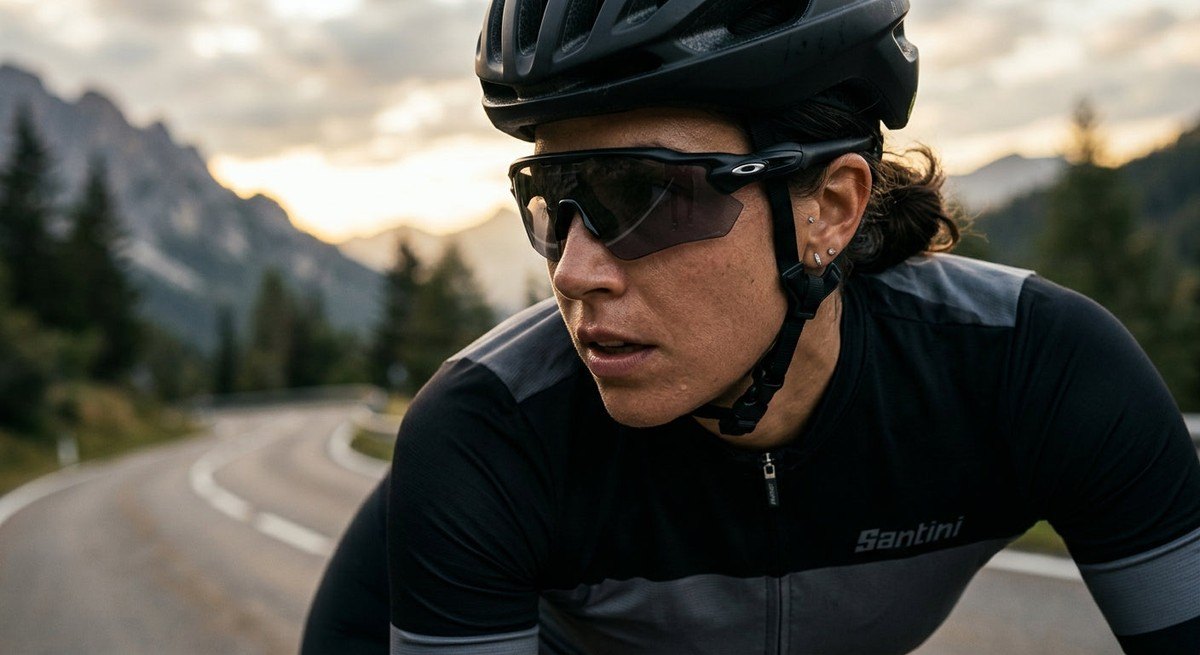
Once you have identified your primary terrain, test the fit. Regardless of the lens technology, if the frames do not sit comfortably or if they cause pressure behind your ears, you will not wear them. Ensure they offer a secure grip during high-intensity efforts, especially when you are sweating and moving at speed.
How to Build this into my life
Integrating these lenses into your routine requires a bit of foresight. If you are serious about your training, consider having a primary pair for your main discipline and a secondary pair for variable weather days. It sounds like an investment, but protecting your eyes is as important as maintaining your drivetrain.

Need a clear race fuelling strategy?
Get instant, practical advice on hydration and race-day nutrition directly on this page for free. Try asking Raye: 'How many grams of carbs should I take per hour during a half marathon?' Ask for fuelling advice
Keep a dedicated hard case in your kit bag. Lenses, especially high-end photochromic ones, can be sensitive to scratching. Develop the habit of rinsing your lenses with fresh water and a mild soap after a particularly muddy or salty ride, then drying them with a microfibre cloth to prevent salt or grit from damaging the optical coating.
Finally, track your rides. If you notice you are constantly pushing your sunglasses up your nose or taking them off during descents, it is a sign that your current lens choice might not be suited to your specific light conditions. Adjust your setup to match your environment, and you will find your confidence on the bike increases tenfold.

Essential Kit
Beyond the lenses, your essential kit should include a high-quality microfibre pouch for daily cleaning and a sturdy case for transit. If you opt for photochromic lenses, understand that they do have a finite lifespan; over time, the chemical reaction that causes the tinting can slow down. Replacing them every few years is standard practice for the dedicated enthusiast.
Do not forget about frame ventilation. Even the best lenses will fog up if there is no airflow. Look for frames with anti-fog treatments or dedicated vents that encourage circulation, keeping your vision perfectly clear even when you are working at your threshold.
10 alternative items to try
- Oakley Prizm Road: These lenses are engineered to enhance colour and contrast, allowing you to see road textures and hazards more clearly. They are not strictly polarised or photochromic, but they offer a unique middle ground that many road cyclists prefer for consistent performance across varied light conditions.
- Smith Optics ChromaPop: Known for their ability to filter light at specific crossovers, these lenses make colours look more vibrant and clear. They are fantastic for discerning the fine details of the road surface, which is essential for safety during high-speed descents or technical cornering situations on narrow lanes.
- 100% HiPER Lenses: These are high-definition lens technologies that increase contrast and sharpen details. They work exceptionally well for mountain bikers who need to distinguish between different types of trail surfaces, such as dirt, roots, and rocks, providing an unparalleled level of visual feedback during fast-paced rides.
- Tifosi Enliven: A fantastic budget-friendly option that provides excellent colour enhancement without the hefty price tag of premium brands. These are perfect for cyclists who want to upgrade their vision but have a strict budget to maintain, offering reliable performance for weekend warriors and casual riders alike.
- Rudy Project ImpactX: These are some of the most durable photochromic lenses on the market, practically unbreakable and offering rapid transition times. They are ideal for those who are hard on their equipment or who frequently ride in unpredictable weather where durability and speed of adaptation are paramount.
- Bolle Phantom: Combining photochromic technology with high-contrast filtering, these lenses offer the best of both worlds. They adapt to the light while ensuring that the colours you see are vivid and distinct, providing a comprehensive solution for cyclists who refuse to compromise on visual quality.
- POC Clarity: Developed with lens experts, these lenses are specifically tuned for different riding environments like road or mountain biking. They provide a refined visual experience that helps you anticipate road changes before they happen, giving you a competitive edge during long races or intense training sessions.
- Shimano Ridescape: These are lens profiles specifically designed for different cycling scenarios, from gravel to road. They manage light transmission meticulously, ensuring your eyes feel rested even after hours in the saddle, which is a significant benefit for endurance cyclists who spend all day on the bike.
- Koo Spectro: Featuring Zeiss lenses, these provide exceptional optical clarity and are a favourite among professional cyclists. The quality of the optics ensures zero distortion, which is critical when you are travelling at high speeds and need to judge distances accurately to maintain your line through corners.
- Julbo Reactiv: These are widely considered the gold standard for photochromic performance. They adapt to changing light in seconds and cover a wide range of tints, making them perfect for all-day adventures that start at dawn and finish well after sunset, ensuring constant visual comfort throughout your entire ride.


