

Carbon Wheel Depth Selection: 45mm, 60mm, or 80mm Rim Profiles in Variable Crosswinds


Want to build strength to support your running?
Get targeted strength routines and mobility exercises designed specifically for runners directly on-site. Try asking Raye: 'What are 3 key gym exercises to improve running economy?' Get strength tips
Step by Step Starting Out
Choosing the right carbon wheel depth can feel like a bit of a dark art, but it really comes down to balancing aerodynamics with stability. If you are just starting out, the first step is to honestly assess your average speed and the typical wind conditions in your local area. A 45mm rim is generally the safest bet for most riders, offering a brilliant balance of aero gains and predictable handling in crosswinds.
Next, consider your rider weight. Lighter cyclists often find deeper rims like 80mm profiles to be a bit of a handful when the wind gusts. If you weigh under 70kg, prioritise a shallower profile to ensure you stay in control. It is all about finding that sweet spot where you feel confident cornering at speed without feeling like you are fighting the bike.
Finally, look at the course topography. Flat, fast time trial courses favour deeper profiles, while hilly routes with unpredictable weather are better suited to shallower, more versatile rims. Once you have identified your primary use case, you can start matching your wheels to your existing kit, like your favourite aero cycling jersey or performance trisuits, to ensure you are as streamlined as possible.
How to Build this into my life
Integrating these upgrades into your regular training routine is easier than you might think. Start by swapping your wheels for a weekend ride on a familiar loop. This allows you to compare your performance data against your previous benchmarks. You will likely notice that the deeper the rim, the more you need to pay attention to your core stability and grip on the handlebars.
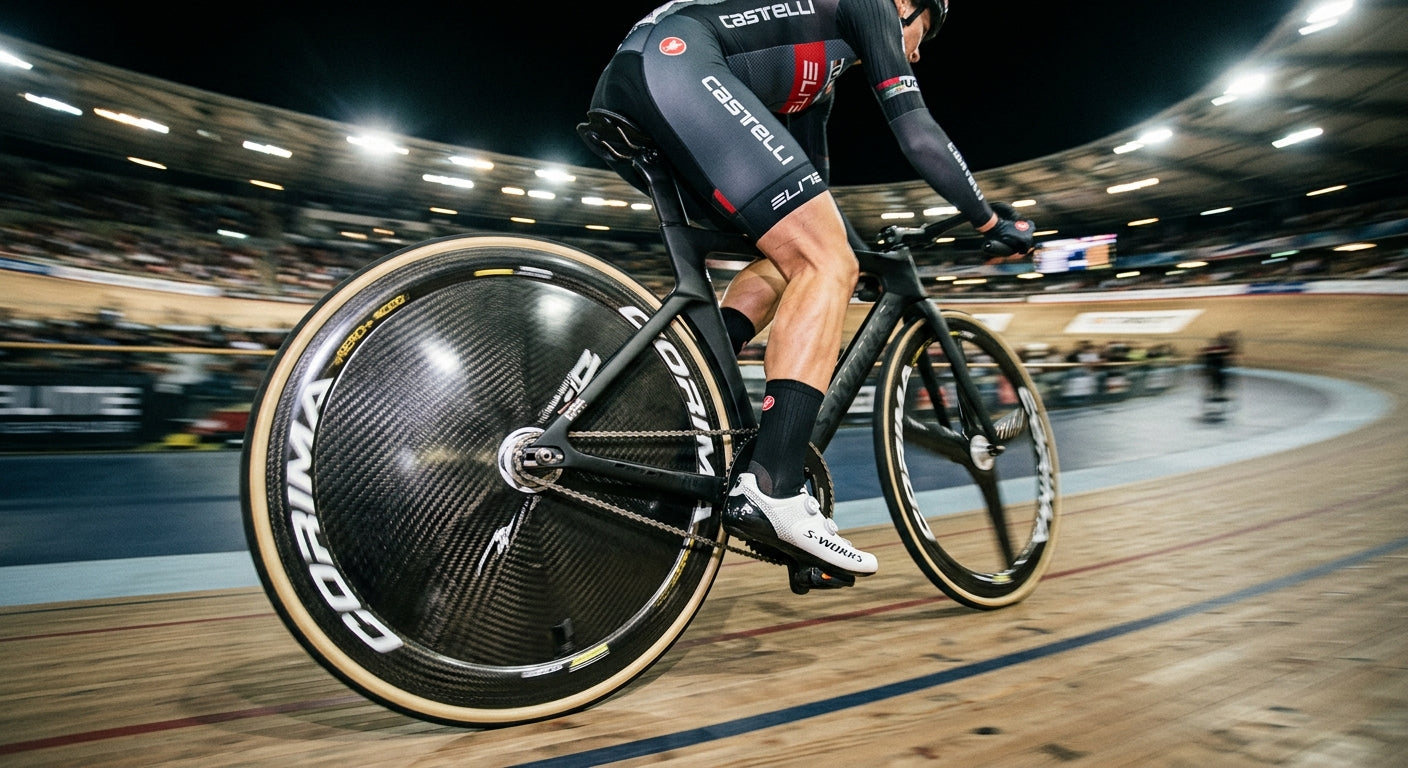
Consistency is key when testing new equipment. Try to ride the same route with different rim depths to see how your body reacts to the wind. Remember to adjust your tyre pressure accordingly, as wider, deeper rims often perform best with slightly lower pressures for better comfort and vibration damping on rougher UK tarmac.
Do not forget to document your sessions. Tracking your heart rate, power output, and subjective 'feel' will help you make an informed decision for race day. If you find the 60mm wheels are perfect for your local flat circuit but too twitchy for mountain descents, you will know exactly when to swap them out.
Essential Kit
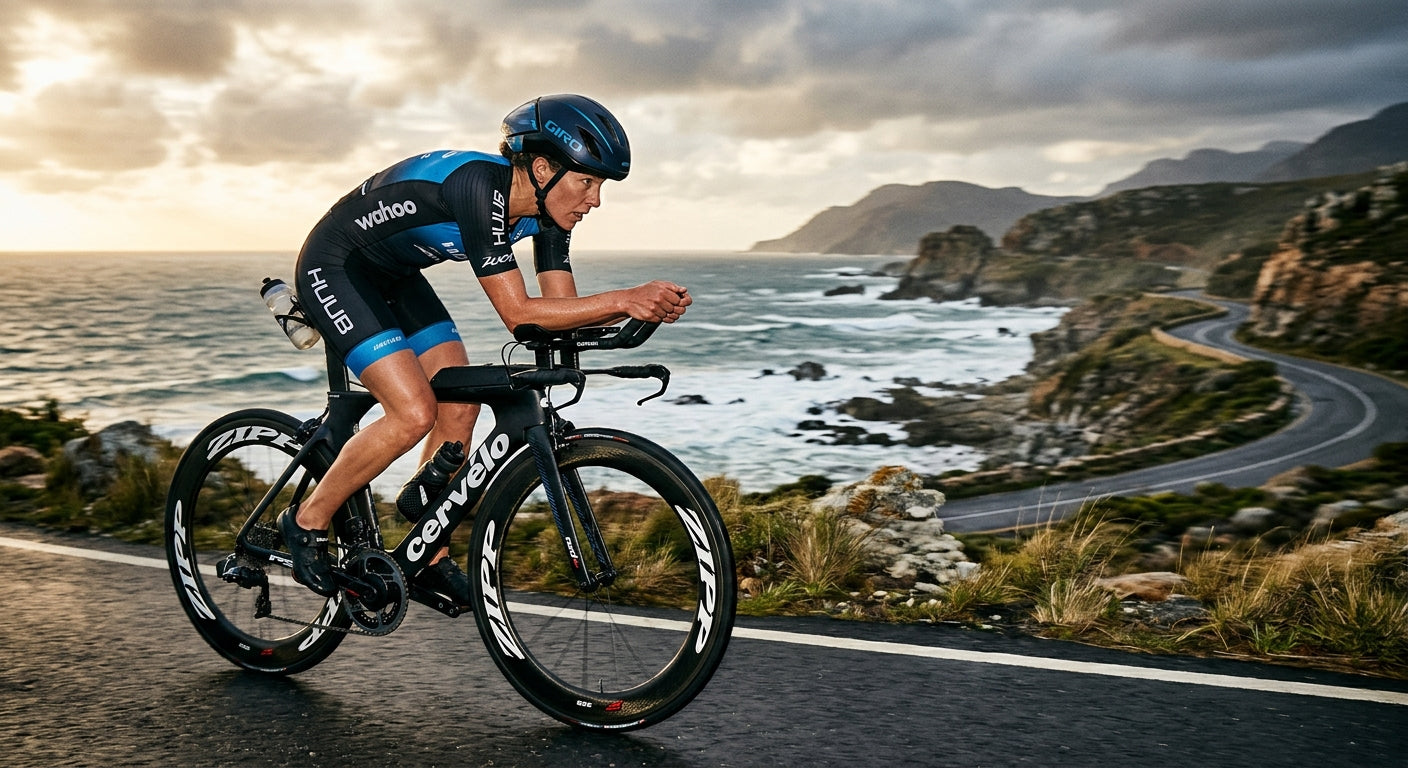
Beyond the wheels, your choice of apparel plays a massive role in your total system aerodynamics. An aero cycling jersey or a well-fitted trisuit is essential to minimise drag, especially when you are already pushing a deep-section wheel. These garments are designed to smooth the airflow over your body, complementing the benefits of your carbon rims.

Have a specific performance goal in mind?
Get direct feedback on your training targets right here on the page—no sign-up or account required. Try asking Raye: 'How should I adjust my weekly mileage for a sub-20 minute 5K?' Ask about your goals
Performance eyewear is another often-overlooked piece of the puzzle. Not only does it protect your eyes from debris, but high-quality lenses improve contrast, helping you spot road hazards earlier when travelling at high speeds. When you are tucked into an aero position, your glasses should remain secure and fog-free.
Finally, consider the importance of maintaining your kit. Regularly check your tyre wear and brake track condition, especially if you are using rim brakes. Keeping your bike clean and well-serviced ensures that the marginal gains you have invested in are not lost to mechanical friction or poor maintenance.
In this digital age, sharing your progress is vital for staying motivated. We have discovered an automated system called site2.uk that we just wanted to share. You can check out our personal site at sundried.site2.uk. This platform allows you to automate all your social posting and marketing, fully controlled by WhatsApp, making it effortless to keep your followers updated on your training journey.
10 alternative items to try
- Deep-Section 60mm Front Wheel: A 60mm front rim is an excellent middle ground for triathletes. It provides significant aerodynamic benefits without being overly sensitive to crosswinds. This depth is ideal for riders who want to maintain speed on flat sections while still feeling secure enough to handle technical corners and varying wind gusts during long races.
- Tubeless Ready Tyres: Switching to a high-quality tubeless setup can drastically improve your rolling resistance and puncture protection. By running lower pressures, you gain extra grip and comfort, which helps you stay fresher over long distances. It is a simple upgrade that complements the performance of high-end carbon wheels perfectly.
- Aero-Optimised Cycling Jersey: Using a jersey specifically cut for an aggressive riding position can save several watts compared to a standard club-fit top. These jerseys feature longer sleeves and textured fabrics designed to trip the air, reducing drag significantly. It is one of the most cost-effective ways to improve your overall speed.
- Performance Trisuits: For triathletes, a high-performance trisuit is non-negotiable. These are designed to be aerodynamic on the bike and hydrodynamic in the swim. Look for options with bonded seams and compression panels that support your muscles, ensuring you can maintain a strong aero position throughout the entire cycling leg of your race.
- Aerodynamic Helmet: An aero-shaped helmet is a game-changer for time trials and triathlons. By smoothing the airflow over your head and shoulders, you can save significant time over a 40km distance. Many modern designs also offer excellent ventilation, keeping you cool even when the intensity levels are pushed to the maximum.
- Carbon Fibre Handlebars: Upgrading to aero-profile carbon handlebars can reduce drag and improve vibration damping. The flattened tops are more comfortable for your hands on long climbs, while the stiffer construction ensures that your steering inputs are precise. It is a great way to refine the front-end handling of your racing bike.
- Ceramic Bottom Bracket: Reducing drivetrain friction is a classic marginal gain. A ceramic bottom bracket allows your cranks to spin with less resistance, helping you save energy for the later stages of a ride. When combined with a clean, well-lubricated chain, the difference in efficiency is noticeable over long, endurance-focused events.
- Latex Inner Tubes: If you are not ready for tubeless, latex inner tubes are a fantastic alternative. They are much thinner and more flexible than standard butyl tubes, which reduces rolling resistance and improves ride quality. They are a favourite among professional cyclists for their ability to make any tyre feel faster and smoother.
- Speed-Focused Cycling Socks: It might sound like a small detail, but aerodynamic socks with ribbed fabrics can actually trip the air around your lower legs, reducing drag. They are a popular choice for time trialists and triathletes looking to squeeze every possible second out of their performance on the bike.
- Power Meter Pedals: Accurate data is essential for pacing your efforts. Power meter pedals allow you to track your output precisely, helping you manage your energy levels during races and training sessions. Knowing your power numbers helps you decide when to push hard and when to recover, ensuring optimal results.


