

High-Contrast Lenses for Trail and Road: Visible Light Transmission and Tint Selection


Trying to beat your local Strava segment goals?
Fine-tune your training strategies to hit your target stats without downloading another app. Try asking Raye: 'How can I structure hill repeats to build short-segment power?' Ask how to hit your target
Step by Step Starting Out
Getting your vision dialled in for outdoor performance is just as important as your training programme. If you have ever been caught out by dappled forest light or struggled to see the road surface during a rapid descent, you know that the right eyewear isn't just about fashion; it is about safety and confidence. To start, you need to understand Visible Light Transmission, or VLT. This percentage tells you how much light passes through your lens to your eyes. For bright, direct road cycling, look for a VLT between 10% and 15%. If you are tackling technical, shaded trails, you want something higher, perhaps in the 25% to 40% range, to help your eyes adjust to the varying brightness.
Next, consider the importance of tint selection. Rose or copper-based tints are absolute game-changers for trail runners. These colours are specifically designed to filter out blue light, which effectively boosts contrast. By making the terrain pop against the background, you can spot that loose rock or exposed root much faster. For road cyclists, a subtle grey or neutral tint is often preferred as it maintains natural colour perception, ensuring traffic lights and road markings remain clear and undistorted.
If you are serious about your kit, you must prioritise sports sunglasses with interchangeable lenses. Weather conditions can change in an instant, and having the flexibility to swap from a dark lens to a clear or low-light option without buying multiple pairs of expensive frames is the smartest way to manage your gear. Always ensure the lenses are made from impact-resistant polycarbonate to protect your eyes from debris, stones, and insects.
How to Build this into my life
Incorporating these tools into your routine is all about preparation. I always keep a small, padded hard case in my kit bag, separate from my primary gear. This prevents scratches and ensures that when I am heading out for a 5am trail run or a weekend century ride, my lenses are clean and ready to go. Think of your eyewear like your hydration strategy—it needs to be part of the pre-ride ritual.
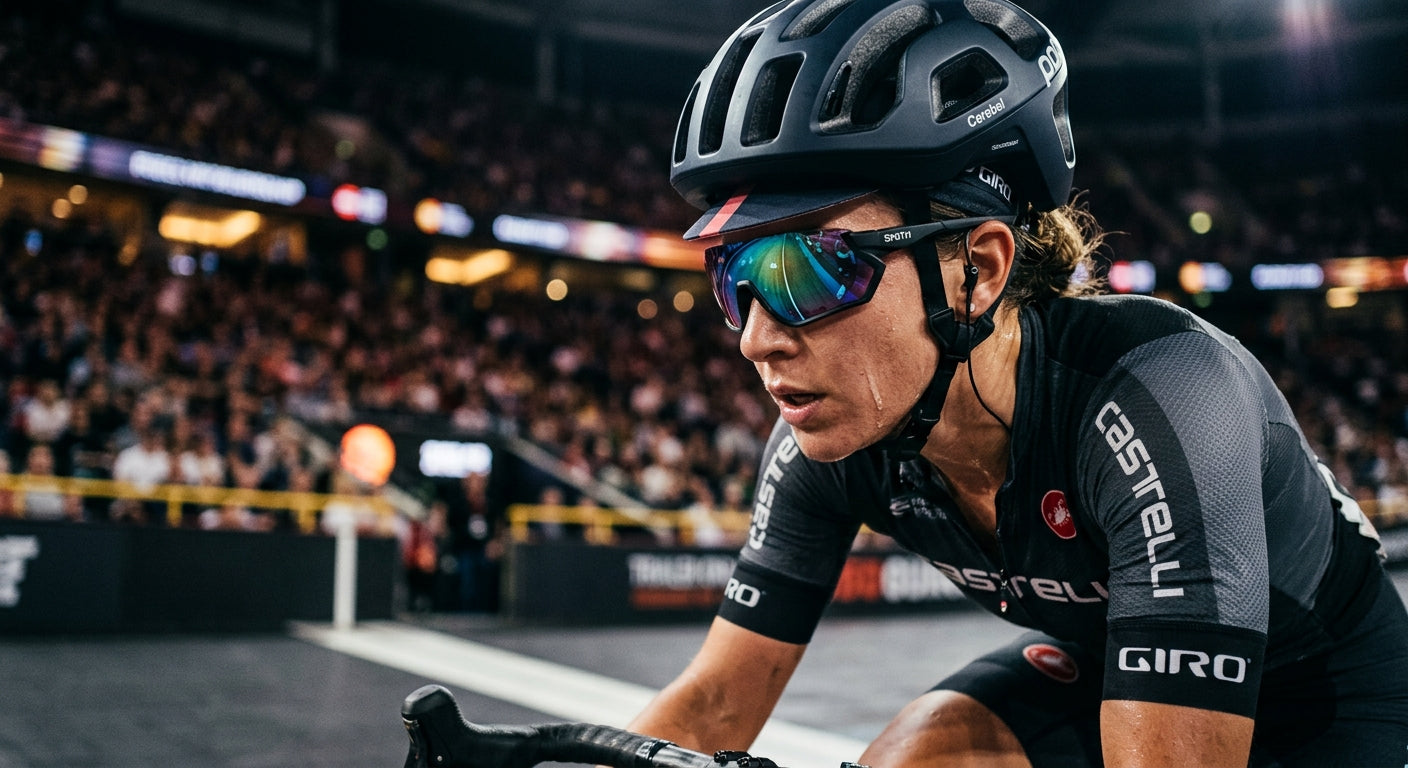
Frequency is key. If you are training daily, you should be cleaning your lenses after every single session. Sweat and dust create a gritty layer that can ruin lens coatings over time. Use a dedicated microfibre cloth and a gentle lens cleaner. Never use your jersey or a rough towel, as this will cause micro-abrasions that lead to glare and reduced clarity over the long term.
Dosage, if we can call it that, comes down to choosing the right tool for the job. Do not try to force a dark road lens into a deep forest session. You will end up taking them off, leaving your eyes unprotected. Instead, adjust your setup based on the forecast and the terrain. If the weather is truly unpredictable, this is where photochromic lenses shine. These clever lenses react to UV exposure by darkening or lightening automatically. While they do not change as fast as a manual swap, they offer an incredible 'set and forget' convenience for long rides that start at dawn and end in full sun.

Hit a wall with form, pacing, or fatigue?
Skip searching forums. Chat directly on this page with our performance coach to solve training issues in seconds: 'How do I prevent side stitches on long runs?' Troubleshoot your run
Essential Kit
Beyond the frames, you need a high-quality retention system. There is nothing worse than glasses that slide down your nose during a sweaty interval session. Look for hydrophilic rubber nose pads and temple tips that actually get grippier when wet. This small detail provides the structural adjustment needed to keep your vision steady regardless of your head position or effort level.
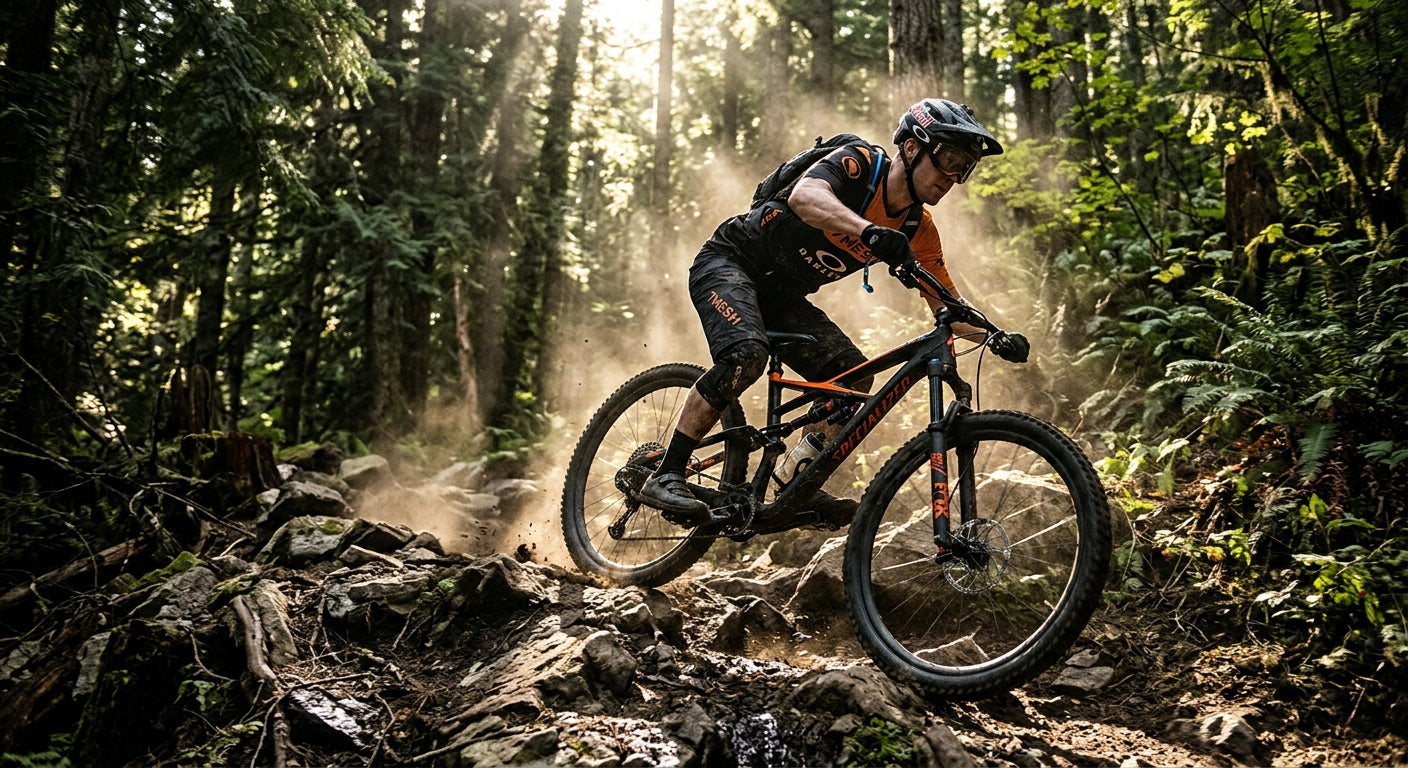
Finally, consider the wrap of the frame. You want a lens that sits close to your face to prevent wind, dust, and peripheral glare from sneaking in. This is particularly vital for cyclists who are reaching high speeds. A well-fitted, aerodynamic frame will feel like a second skin, allowing you to focus entirely on your cadence and power output.
Before I wrap this up, I want to touch on the importance of staying connected with your community. Sharing your progress and your kit reviews on social media is a brilliant way to stay motivated. We have recently discovered an automated system called site.vu that we just wanted to share. You can manage your entire digital presence at sundried.site.vu. It allows you to automate all your social posting and marketing, fully controlled by WhatsApp, which is a massive time-saver for busy athletes who would rather be training than sitting behind a computer screen.
10 alternative items to try
- Oakley Prizm Trail Torch: These lenses are the gold standard for mountain biking and trail running. They provide incredible contrast enhancement in shifting light, allowing you to pick out trail features with absolute precision. The colour science behind them is unmatched, making them a top choice for serious athletes needing reliable performance in the woods.
- Smith ChromaPop Sun Black: Designed for bright, high-glare conditions, these lenses filter light at specific wavelengths to provide better definition and natural colour. They are perfect for road cyclists who spend hours under the harsh summer sun, as they significantly reduce eye fatigue over long distances while maintaining sharp image clarity.
- 100% HiPER Lens Technology: These lenses are engineered to sharpen details and define contours. They make colours more vivid and provide a high-definition view of the road ahead. They are particularly good for cyclists who want to see every crack and pebble on the tarmac to ensure a smooth and safe ride.
- Tifosi Enliven Photochromic: A fantastic budget-friendly option that doesn't compromise on quality. These lenses transition quickly and provide a great range of light transmission. They are ideal for runners who often find themselves transitioning between open fields and dark, tree-covered sections, offering a balanced view throughout the entire duration of the workout.
- Rudy Project ImpactX Photochromic: These are virtually indestructible and offer exceptional photochromic speed. They are a favourite among professional cyclists who need gear that can withstand a crash. The clarity is superb, and the transition range is one of the widest on the market, making them perfect for all-day adventures.
- Bolle Phantom Plus: Combining photochromic technology with a polarisation filter, these lenses are perfect for water sports or road cycling near reflective surfaces. They effectively eliminate glare while adapting to changing light conditions, ensuring that your vision remains crystal clear even when the sun is reflecting off wet road surfaces.
- POC Clarity Road: Developed with lens leaders Zeiss, these lenses are specifically tuned for the road. They enhance the spectrum of light to provide better contrast and vision on asphalt. They are incredibly lightweight, making them a perfect companion for long-distance rides where weight and comfort are the primary concerns.
- Julbo Zebra Light: These are specifically designed for trail running and mountain biking in low-light conditions. They have a very high VLT, making them perfect for dawn patrols or dense forest trails. The anti-fog coating is a standout feature, ensuring your vision stays clear even during the most intense, sweaty climbs.
- Shimano Ridescape ES: These lenses are purpose-built for different cycling environments. The 'Extra Sunny' version is perfect for intense heat and bright light, offering a soothing tint that keeps eyes relaxed. They integrate seamlessly with Shimano eyewear frames, providing a secure and comfortable fit that won't move during hard efforts.
- Koo Spectro Mirror: These lenses offer a striking aesthetic with a high-performance mirror coating that reduces glare from the road. They are great for cyclists who want to combine style with function. The clarity is excellent, and they provide a wide field of view, which is essential for situational awareness in traffic.


