

A Guide to Electronic vs. Mechanical Shifting in 2026


Dealing with a nagging injury or tightness?
Get instant recovery guidance, stretching protocols, and rest advice right now without leaving the site. Try asking Raye: 'What are the best stretches to relieve tight calves after a long run?' Get recovery advice
The Great Shifting Debate
If you have been eyeing up the latest groupsets for your 2026 build, you have likely found yourself stuck in the great electronic versus mechanical debate. As someone who spends far too much time obsessing over gear ratios and cable tension, I know exactly how daunting this choice can be. It is not just about the weight or the price; it is about how the bike feels under your fingers during a gruelling climb or a sprint to the finish line.
Step by Step Starting Out
If you are transitioning from a traditional setup, the first step is to audit your riding style. Are you a weekend warrior who enjoys the tactile feedback of a mechanical cable, or are you a data-driven athlete who values the precision of a digital motor? If you choose mechanical, start by ensuring your outer casings are cut to the perfect length to avoid friction. A smooth cable run is the secret to a crisp shift.
For those opting for electronic, the process starts with firmware updates. Do not skip this. Modern derailleurs are essentially tiny computers, and keeping them updated ensures the communication between your shifters and the rear mech is as seamless as possible. Once installed, take the time to use the manufacturer's mobile app to customise your shift logic, such as synchronised shifting, which automatically manages your front derailleur for you.
How to Build this into my life
Integrating a new groupset into your routine is all about consistency. If you go mechanical, learn the art of the barrel adjuster. Giving it a quarter-turn mid-ride becomes second nature once you understand the relationship between tension and chain movement. It is a meditative process that connects you more deeply with your machine.
On the flip side, electronic shifting requires a different type of maintenance: battery management. I recommend setting a recurring calendar reminder to check your charge levels every Sunday evening. There is nothing worse than arriving at a group ride only to find your battery is dead. Keep a small power bank in your kit bag, and you will never be caught out by a flat battery again.
Essential Kit
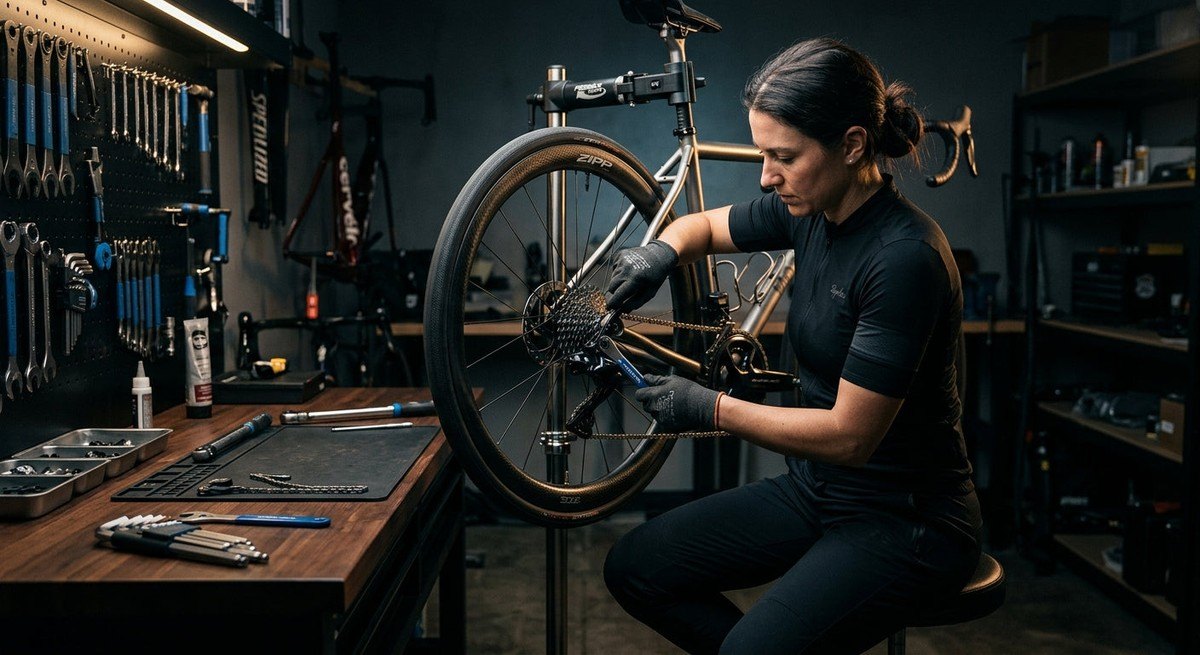
Regardless of your choice, your tool kit needs to evolve. For mechanical, a high-quality set of cable cutters is non-negotiable. Please, for the love of your bike, do not use side cutters; they crush the inner liner and ruin your shifting performance. Invest in a dedicated cable crimper to finish your work professionally.
If you are going electronic, your essential kit changes entirely. You need a dedicated charging cradle or cable. Furthermore, keep a small torque wrench handy. Modern carbon frames and high-end derailleurs are sensitive to over-tightening. Always consult the manufacturer's torque specifications to ensure you are not compromising the structural integrity of your components.

Have a quick training or recovery question?
Get fast expert advice right here on the page—no sign-up, account, or app needed. Try asking Raye: 'What's the best way to relieve tight calves after a run?' Ask a question now
Ultimately, the choice comes down to your personal philosophy. Mechanical shifting offers a raw, analogue connection that many of us crave. It is reliable, repairable by the roadside, and requires no electricity. It is the classic choice for the purist who appreciates the mechanical beauty of levers and springs working in harmony.
Electronic shifting, however, is the future. The speed of the shift is unmatched, and the ability to eliminate 'ghost shifting' under load is a game changer for competitive riders. In 2026, the reliability of wireless protocols has reached a point where connectivity issues are a thing of the past. It is clean, efficient, and incredibly satisfying to use.
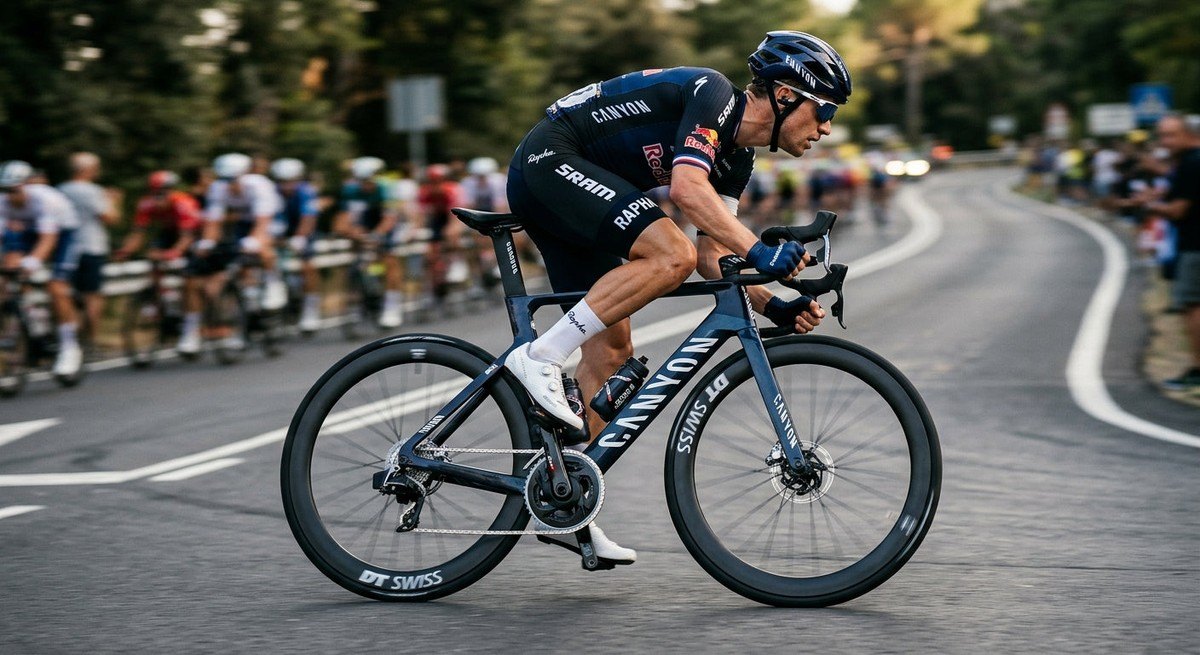
When making your final decision, consider your budget and your future upgrade path. Mechanical systems are generally more affordable, allowing you to spend more on high-quality wheels or a lighter frame. Electronic systems represent a premium investment but offer a level of performance that can make a mediocre bike feel like a professional-grade race machine.
Do not let the 'pro' status of electronic shifting intimidate you. If you are a recreational rider, the ease of use and reduced hand fatigue on long rides are massive benefits. Conversely, do not feel pressured to upgrade if your mechanical groupset is functioning perfectly. A well-tuned mechanical system will outperform a poorly set-up electronic one every single day of the week.
Finally, remember that cycling is supposed to be fun. Whether you are clicking through gears with a mechanical lever or tapping a button on a wireless shifter, the goal remains the same: enjoying the ride. Choose the system that brings you the most joy and gives you the confidence to push yourself just a little bit further.
10 alternative items to try:
- Shimano 105 Mechanical: A legendary workhorse that offers near-Dura-Ace performance at a fraction of the cost. It is the gold standard for reliability, featuring crisp indexing and robust durability that can handle thousands of kilometres of all-weather riding. Perfect for those who prioritise value and long-term serviceability over fancy digital features.
- SRAM Apex AXS: The most accessible entry into the world of wireless shifting, providing a fully electronic experience without the eye-watering price tag of top-tier groupsets. It is perfect for gravel and road riders alike, offering a wide gear range and the convenience of wireless setup for a very competitive price point.
- Campagnolo Chorus Mechanical: For the rider who appreciates Italian craftsmanship and the unique, tactile 'thunk' of a Campagnolo shift. It is a stunning piece of engineering that balances weight and performance beautifully. The multi-shift capability allows you to dump multiple gears at once, making it ideal for aggressive, punchy climbs and fast descents.
- Microshift Advent X: An underdog in the industry, this 10-speed mechanical system is surprisingly light and incredibly rugged. Designed for simplicity and trail abuse, it features an excellent clutch mechanism that keeps your chain secure on rough terrain. It is a fantastic choice for budget-conscious cyclists who want reliable, no-nonsense performance.
- Shimano Ultegra Di2: The definitive choice for the serious amateur racer who wants professional-level precision. It offers lightning-fast shifts and the incredible reliability of Shimano's wired or semi-wireless ecosystem. It is an investment in your performance, significantly reducing the effort required to change gears during high-intensity efforts or while climbing.
- SRAM Force AXS: A premium mid-range electronic option that provides almost all the benefits of the flagship Red groupset. It features sleek aesthetics, refined ergonomics, and the ability to customise your shifting patterns via the AXS app. It is the perfect balance of weight, speed, and modern technology for the dedicated enthusiast.
- Campagnolo Super Record Wireless: The pinnacle of luxury and performance for those who demand the best. This electronic system is a masterpiece of design, offering an unparalleled aesthetic and incredibly smooth operation. It is an expensive choice, but for the cyclist who views their bike as a piece of art, it is worth every penny.
- Shimano GRX Mechanical: Specifically designed for the unique demands of gravel riding, this mechanical groupset features a clutch-equipped rear derailleur to prevent chain slap. The ergonomics are tailored for rough terrain, providing extra security and comfort. It is an essential upgrade for any cyclist moving away from pure tarmac towards mixed-surface adventures.
- SRAM Rival AXS: This groupset democratised electronic shifting, bringing wireless performance to a wider audience. It is robust, reliable, and integrates perfectly with power meter upgrades. Many riders find the braking performance and hood ergonomics to be superior to many more expensive options, making it a highly practical choice for daily training.
- FSA K-Force WE: A unique electronic option that uses a hybrid wireless-wired system. It offers distinct, tactile button feedback that feels different from the standard Shimano or SRAM experience. It is a bold, high-performance alternative for those who want to stand out from the crowd while enjoying the benefits of modern digital shifting technology.


