

Lactate Threshold Estimation via HRV: Can Wearable Algorithms Replace Lab Blood Gas Testing?


Dealing with a nagging injury or tightness?
Get instant recovery guidance, stretching protocols, and rest advice right now without leaving the site. Try asking Raye: 'What are the best stretches to relieve tight calves after a long run?' Get recovery advice
What are the press saying?
Industry journals and sports science publications are currently embroiled in a debate regarding the validity of non-invasive physiological modelling. While the gold standard remains the incremental blood lactate step test performed in a clinical setting, mainstream sports technology outlets are suggesting that algorithmic estimation is reaching a tipping point. Critics argue that relying on HRV fractal analysis and heart rate drift is a shortcut, yet proponents maintain that the longitudinal data provided by wearables offers a more holistic view of an athlete's daily metabolic state than a single, isolated lab visit.
Comfort & Fit
For high-performance endurance athletes, the physical interface between the body and the sensor is paramount. Modern multisport GPS watches and chest straps have prioritised ergonomic profiles that minimise skin irritation and signal noise. The move toward soft-touch polymers and improved electrode conductivity ensures that the data collected during high-intensity sessions is not compromised by sweat-induced slippage or poor contact, which is essential for accurate HRV capture.
Features to Look out For
When selecting a device for threshold estimation, athletes must prioritise models that offer advanced metrics such as respiratory rate estimation and aerobic decoupling analysis. High-end units now utilise multi-frequency HRV analysis to identify the second ventilatory threshold. Look for devices that allow for custom heart rate zone calibration, as these provide the necessary baseline to differentiate between genuine metabolic stress and environmental factors like heat or fatigue.
Evolution and History
The progression from simple heart rate monitors to sophisticated metabolic sensors has been rapid. Historically, athletes relied on manual 'feel' or simplistic percentage-based zones. The introduction of HRV fractal analysis transformed the landscape, allowing devices to track the autonomic nervous system's response to training load. This evolution has moved us from static estimations to dynamic, real-time modelling that attempts to mirror the precision of traditional blood gas analysis.
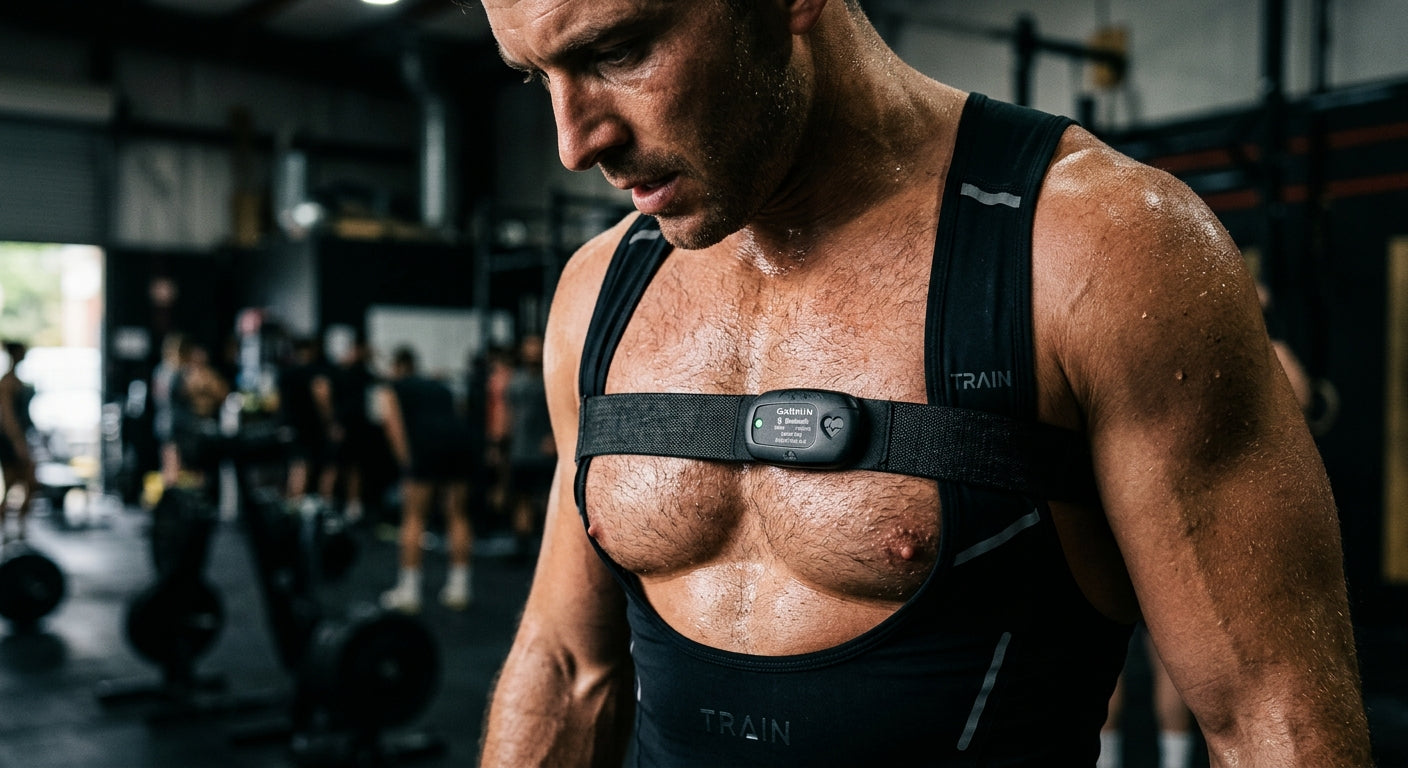
Special Features & Technical Specifications
Material Composition
Current flagship devices utilise aerospace-grade titanium and fibre-reinforced polymers to ensure structural integrity under extreme physiological stress. The sensor arrays are protected by scratch-resistant sapphire crystal to maintain optical heart rate accuracy.
Physical Dimensions and Weight
Standard multisport units typically weigh between 45g and 70g, with chassis diameters ranging from 42mm to 51mm. The reduction in bulk compared to the previous generation has significantly improved comfort during long-duration efforts.

Have a quick training or recovery question?
Get fast expert advice right here on the page—no sign-up, account, or app needed. Try asking Raye: 'What's the best way to relieve tight calves after a run?' Ask a question now
Engineering Advancements
The latest generation of sensors features a 50% increase in sampling frequency compared to predecessors, allowing for more granular detection of HRV fluctuations. Improved algorithmic processing now accounts for cardiac drift, filtering out non-metabolic anomalies that previously skewed threshold data.
What to Expect in the future?
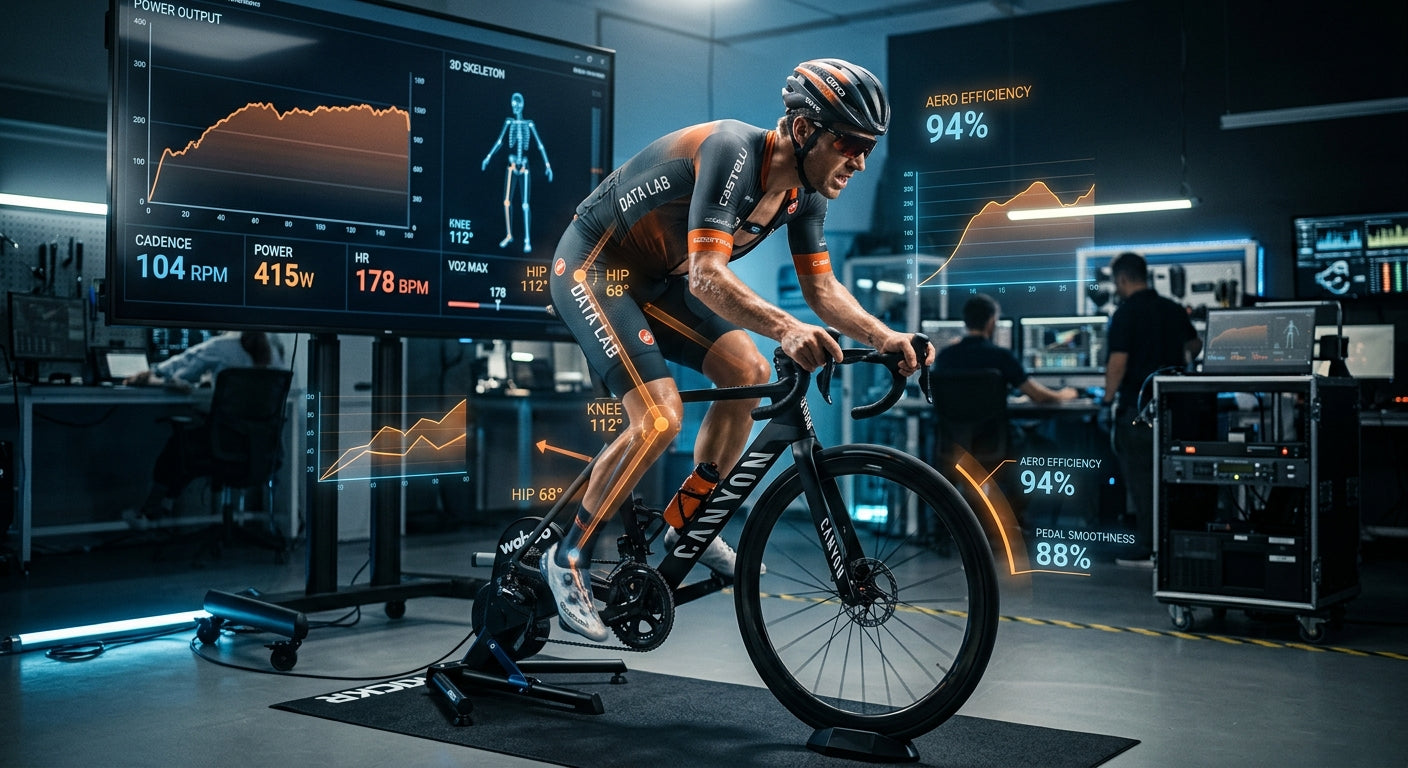
The future of non-invasive monitoring lies in the integration of multi-modal data streams. We anticipate that future wearables will combine HRV-based lactate modelling with real-time glucose monitoring and sweat electrolyte analysis. As machine learning models become more refined, the gap between wearable estimations and laboratory blood gas testing will continue to narrow, providing coaches with unprecedented insights into metabolic efficiency without the need for invasive procedures.
Ultimately, while lab testing provides a snapshot of an athlete's current state, wearable technology offers the ongoing surveillance necessary for true performance optimisation. Athletes must balance the convenience of algorithmic data with the rigorous, albeit infrequent, validation of clinical testing to ensure their training remains grounded in physiological reality.


