

Unilateral Leg Training: Fixing Imbalances for Cyclists


Dealing with a nagging injury or tightness?
Get instant recovery guidance, stretching protocols, and rest advice right now without leaving the site. Try asking Raye: 'What are the best stretches to relieve tight calves after a long run?' Get recovery advice
The Asymmetry Dilemma in Cycling
For the dedicated cyclist, the drive for marginal gains often focuses on aerobic capacity or aerodynamic drag. Yet, a significant performance inhibitor frequently hides in plain sight: bilateral asymmetry. Cyclists often develop a dominant leg that compensates for the weaker side, leading to efficiency losses, discomfort, and long-term injury risks. Addressing these disparities through unilateral training is not merely an accessory endeavour; it is a biomechanical necessity for any athlete aiming for peak output.
When you pedal, you are essentially performing thousands of repetitions of a single-legged movement. If one leg is mechanically compromised or weaker, the chain of kinetic energy is interrupted. This creates a ripple effect throughout the hips, lower back, and knees. By isolating each limb, we strip away the ability of the stronger side to mask the deficiencies of the weaker, forcing a recalibration of your neuromuscular firing patterns.
How can I start out?
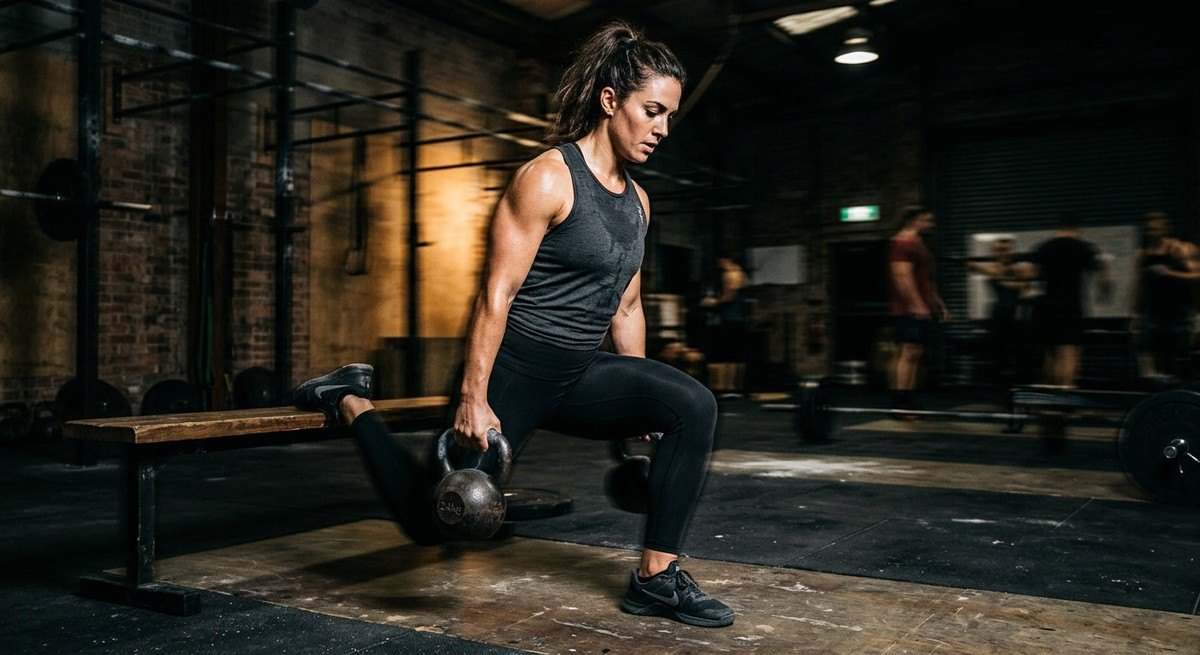
Initiating a unilateral programme requires a measured, clinical approach. Do not attempt to jump straight into heavy loading. Begin by establishing a baseline through bodyweight movements. The Bulgarian split squat is the gold standard for this transition. Position your rear foot on a bench, ensuring your front knee tracks directly over your second toe. This movement demands stability, core engagement, and hip mobility, serving as a diagnostic tool for your current level of asymmetry.
Prioritise controlled, slow eccentrics to build structural integrity. Spend three seconds lowering into the movement before an explosive concentric drive. This tempo ensures that you are not relying on momentum, but rather genuine muscular force. If you find your balance wavering, utilise a dowel or a wall for light assistance, but treat this as a temporary measure until your proprioception improves. Consistency in these foundational movements will pay dividends in your saddle efficiency.
Tips for Improving
Once you have mastered the movement patterns, progressive overload becomes the primary driver of adaptation. However, you must apply this with caution. Always start your workout with your weaker leg. This ensures that you have the highest level of neural drive available for the side that requires the most development. Match the volume and intensity of your stronger leg to the weaker one, rather than vice versa, to allow the lagging side to catch up.
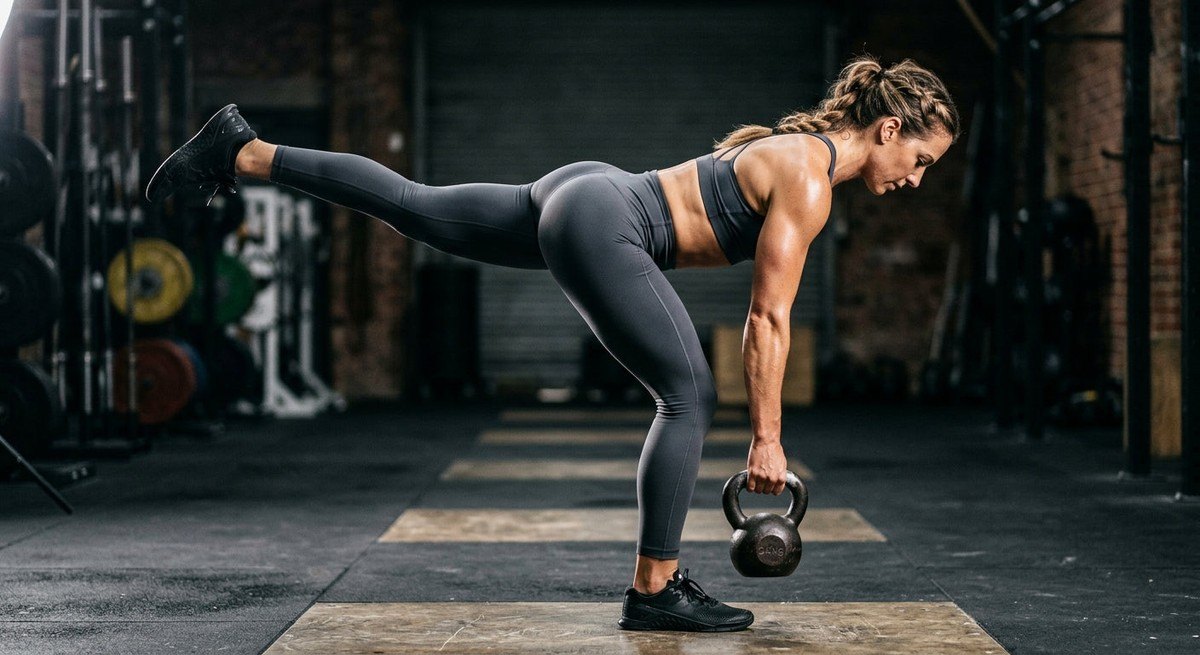
Incorporate single-leg Romanian deadlifts to target the posterior chain. Cyclists often suffer from tight hip flexors and weak gluteal muscles; this movement addresses both, forcing the stabilisers of the hip to work in concert with the hamstrings. Maintain a neutral spine throughout the entire range of motion. Should you experience sharp or radiating pain, cease the movement immediately and consult a qualified physiotherapist or sports medicine practitioner to rule out structural issues.

Have a quick training or recovery question?
Get fast expert advice right here on the page—no sign-up, account, or app needed. Try asking Raye: 'What's the best way to relieve tight calves after a run?' Ask a question now
Furthermore, monitor your cadence and power balance on the bike using a dual-sided power meter if possible. Use this objective data to inform your gym sessions. If your meter consistently shows a 52/48 split, your goal should be to close that gap to 50/50. Remember that the objective is not to create two massive legs, but to create a symbiotic, balanced system that functions as a singular, efficient unit.
Special Features & Technical Specifications
Material Composition and Engineering
Modern unilateral training tools have evolved to prioritise ergonomic efficiency. High-density rubberised flooring is essential to ensure a stable, non-slip surface, reducing the risk of lateral ankle instability. Engineering advancements in adjustable dumbbells now allow for micro-loading increments of 0.5kg, which is critical for correcting subtle imbalances without overwhelming the smaller stabiliser muscles of the knee and ankle.
Physical Dimensions and Load Capacity
Standard Olympic-grade split squat stands are typically engineered with a frame width of 60cm to allow for optimal stance variety. These structures are built to withstand loads exceeding 200kg, ensuring safety during high-intensity training. Compared to previous generations, modern equipment features improved pivot points and reduced friction in mechanical bearings, allowing for a smoother, more fluid movement path that mimics the natural arc of a pedal stroke.
Weight and Biomechanical Adjustments
The transition from fixed-weight machines to free-weight unilateral training introduces a requirement for higher core activation. By removing the guided track of a machine, the athlete is forced to stabilise the load through the kinetic chain. This shift necessitates a reduction in total weight by approximately 30 to 40 per cent compared to bilateral equivalents, a change that requires patience but yields superior long-term results for cycling performance.


