

Sweet Spot vs. Threshold Training for Cyclists: Decoding the Physiology of Performance


Dealing with a nagging injury or tightness?
Get instant recovery guidance, stretching protocols, and rest advice right now without leaving the site. Try asking Raye: 'What are the best stretches to relieve tight calves after a long run?' Get recovery advice
The Physiological Paradox of Cycling Intensity
In the pursuit of cycling excellence, the distinction between Sweet Spot and Threshold training often defines the ceiling of an athlete's potential. To the uninitiated, cycling is merely a test of endurance, but to the dedicated cyclist, it is a high-stakes laboratory of energy systems, metabolic pathways, and neuromuscular adaptation. Understanding when to push into the red and when to cultivate aerobic base is the fundamental differentiator between a casual rider and a podium contender.
Sweet Spot training, typically defined as 88% to 94% of your Functional Threshold Power (FTP), sits in a unique physiological window. It is high enough to induce significant aerobic adaptation but low enough to allow for a higher volume of training without the crushing fatigue associated with maximal efforts. It is the art of balancing stress and recovery to maximise metabolic efficiency.
Conversely, Threshold training—targeting 95% to 105% of FTP—is an exercise in psychological and physiological fortitude. It is here that the body learns to manage blood lactate accumulation, forcing the cardiovascular system to operate at its absolute limit. While Sweet Spot builds the engine, Threshold training sharpens the blade.
How can I start out?
For those looking to integrate these methodologies, the journey must begin with an accurate baseline. You cannot manage what you do not measure. A rigorous ramp test or a 20-minute field test is the prerequisite to establishing your current FTP. Without this anchor, you are merely guessing at intensity, which risks either undertraining or premature burnout.
Begin by incorporating Sweet Spot intervals into your base training phase. Aim for extended blocks of 20 to 30 minutes at the prescribed percentage, focusing on maintaining a consistent cadence that mimics your race-day profile. The objective is not to struggle, but to maintain a steady, controlled burn that signals your aerobic system to become more resilient.
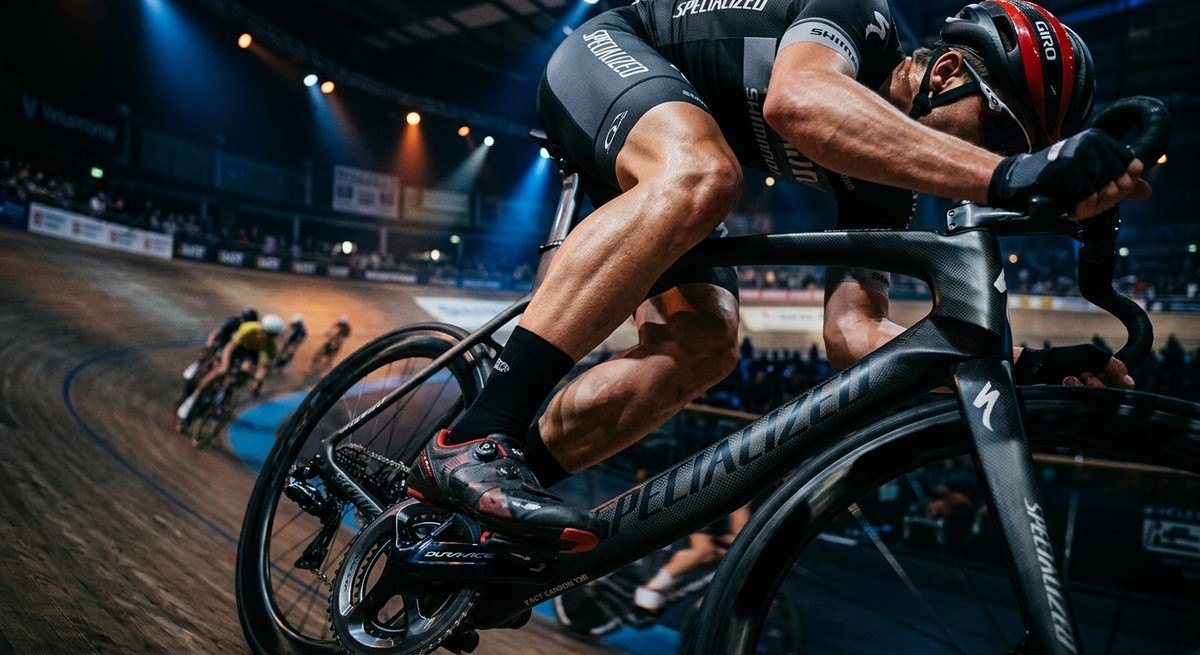
As you transition towards a build phase, introduce Threshold intervals. These should be shorter in duration but higher in intensity, often structured as 8 to 12-minute bouts with equal rest periods. This is where you prioritise the ability to clear lactate and sustain power output when the body is screaming for relief. Always ensure your recovery rides remain truly easy to facilitate the necessary cellular repair.
Tips for Improving
Consistency is the primary currency of cycling performance. To improve, you must prioritise the quality of your execution over the raw quantity of hours in the saddle. If a workout calls for a specific intensity, hit those numbers precisely. The goal is to accumulate time-in-zone without compromising your neuromuscular freshness.

Have a quick training or recovery question?
Get fast expert advice right here on the page—no sign-up, account, or app needed. Try asking Raye: 'What's the best way to relieve tight calves after a run?' Ask a question now
Nutrition remains a critical, yet often overlooked, component of your training architecture. Prioritise carbohydrate intake during these sessions to ensure your glycogen stores are not depleted prematurely. A well-fuelled athlete can sustain higher outputs for longer durations, thereby increasing the total training stimulus delivered to the muscles.
Finally, do not neglect the importance of rest. The gains occur not during the interval, but in the period of supercompensation that follows. Monitor your heart rate variability and sleep quality to gauge your readiness. If the numbers indicate fatigue, have the discipline to adjust your intensity downwards. A structured approach to recovery is the ultimate marginal gain.
Special Features & Technical Specifications
Material Composition and Aerodynamics
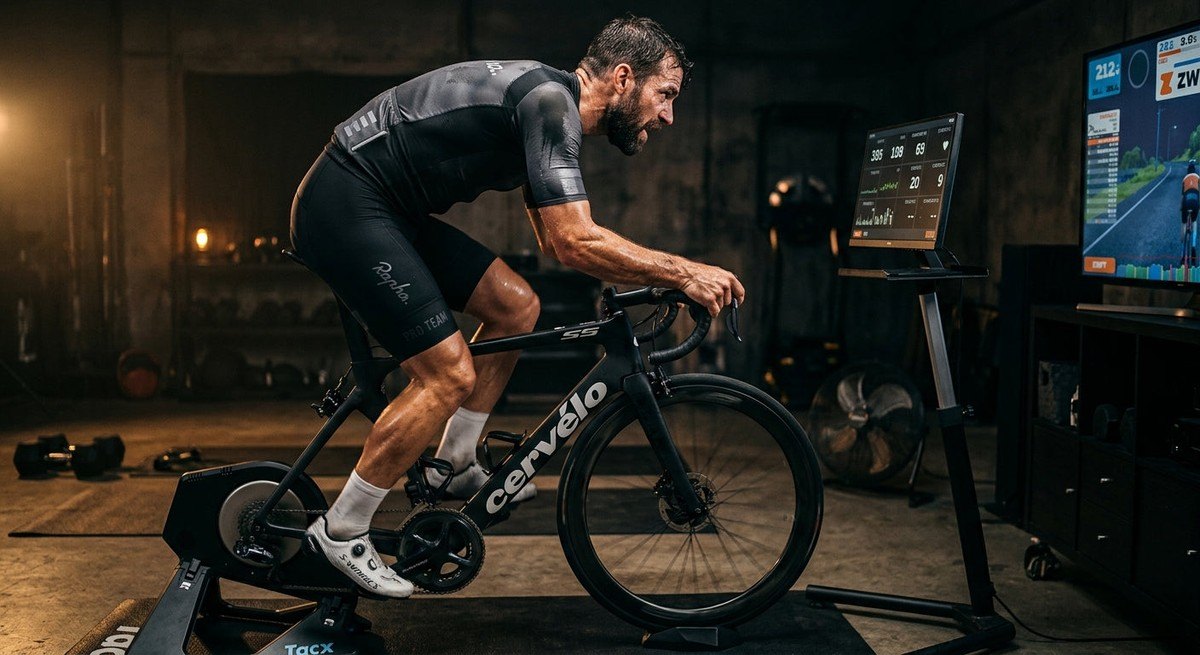
Modern cycling equipment is engineered to bridge the gap between human output and mechanical resistance. High-modulus carbon fibre frames are now designed with computational fluid dynamics to minimise drag during high-threshold efforts. The integration of vibration-dampening resins ensures that power transfer is optimised without sacrificing rider comfort.
Physical Dimensions and Engineering Evolution
Compared to previous generations, the geometry of the modern performance bike has shifted toward a more aggressive, aerodynamic centre of gravity. Weight reduction has reached a critical threshold, with disc-brake-equipped frames now weighing in at sub-700 grams. These engineering changes have effectively lowered the energy cost of maintaining threshold power, allowing cyclists to go faster for the same metabolic price.
In conclusion, the interplay between Sweet Spot and Threshold training is a nuanced dance. By understanding the energy demands of each, you can construct a training programme that is both scientifically sound and practically effective. Embrace the data, respect the recovery, and push the boundaries of your physiological capacity.


