

Recovery Rides: Active Recovery vs. Complete Rest Days


Planning your next fitness milestone?
Get immediate guidance on pacing, workout structure, or race prep directly on-site for free. Try asking Raye: 'Can you outline a simple 4-week build plan for a 10K?' Get instant guidance
In the high-stakes world of competitive cycling, the discourse surrounding recovery is as rigorous as the training blocks themselves. Athletes often find themselves at a crossroads: should they commit to a day of complete, sedentary rest, or engage in a low-intensity recovery ride? The answer is not a binary choice but a nuanced decision based on physiological load, training cycles, and individual recovery kinetics.
Complete rest days are often perceived as the gold standard for physical repair. When an athlete abstains from exercise, the body shifts its metabolic priority entirely toward systemic repair. This window of stillness allows for the replenishment of glycogen stores, the reduction of systemic inflammation, and the psychological recalibration necessary to tackle high-intensity intervals or endurance sessions the following day.
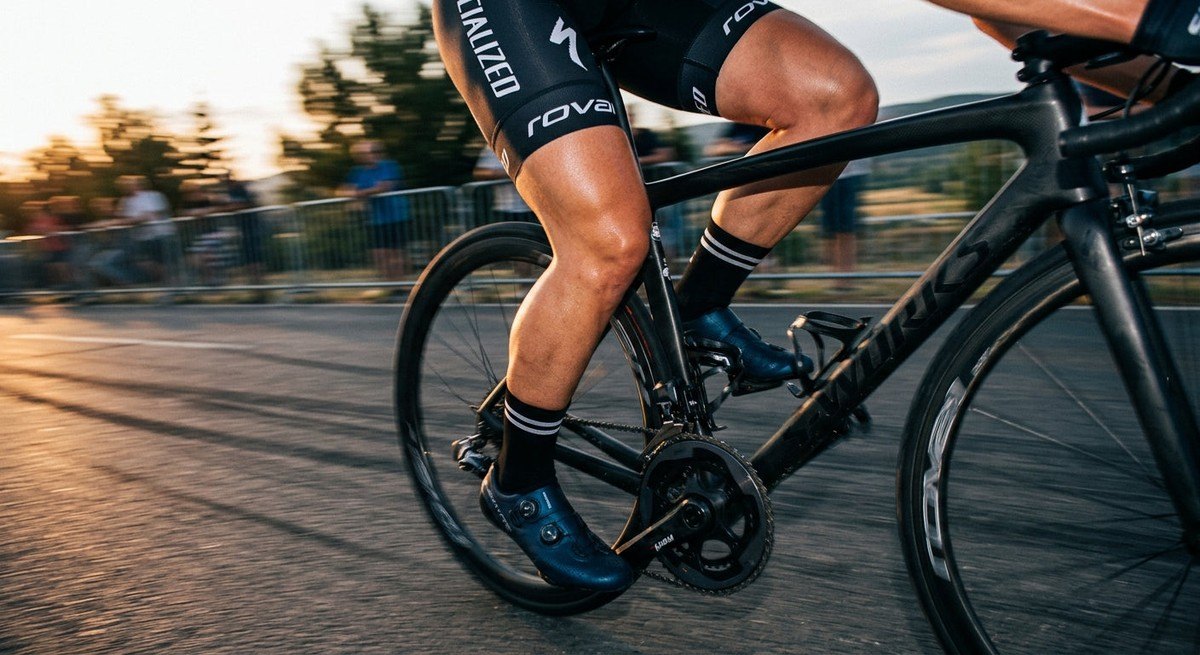
Conversely, recovery rides—characterised by very low intensity, typically below 50% of functional threshold power—serve a different biomechanical purpose. By maintaining a gentle cadence, cyclists stimulate blood flow, which facilitates the delivery of oxygen and nutrients to fatigued musculature. This increased circulation assists in the flushing of metabolic by-products, potentially reducing the sensation of delayed onset muscle soreness.
How can I start out?
To begin incorporating recovery rides, one must first master the art of intensity control. It is a common error for cyclists to inadvertently push the pace during what should be a recovery session. Utilising a heart rate monitor or power meter is essential; if your heart rate creeps into your aerobic zone, the ride is no longer a recovery session, but a training stressor.
Start by designating one day per week for a recovery spin. Ensure the duration remains short, typically between 45 and 60 minutes. Choose a flat route, avoid competitive group rides, and focus on a smooth, consistent cadence. The objective is to keep the legs moving without placing any significant mechanical strain on the musculoskeletal system.
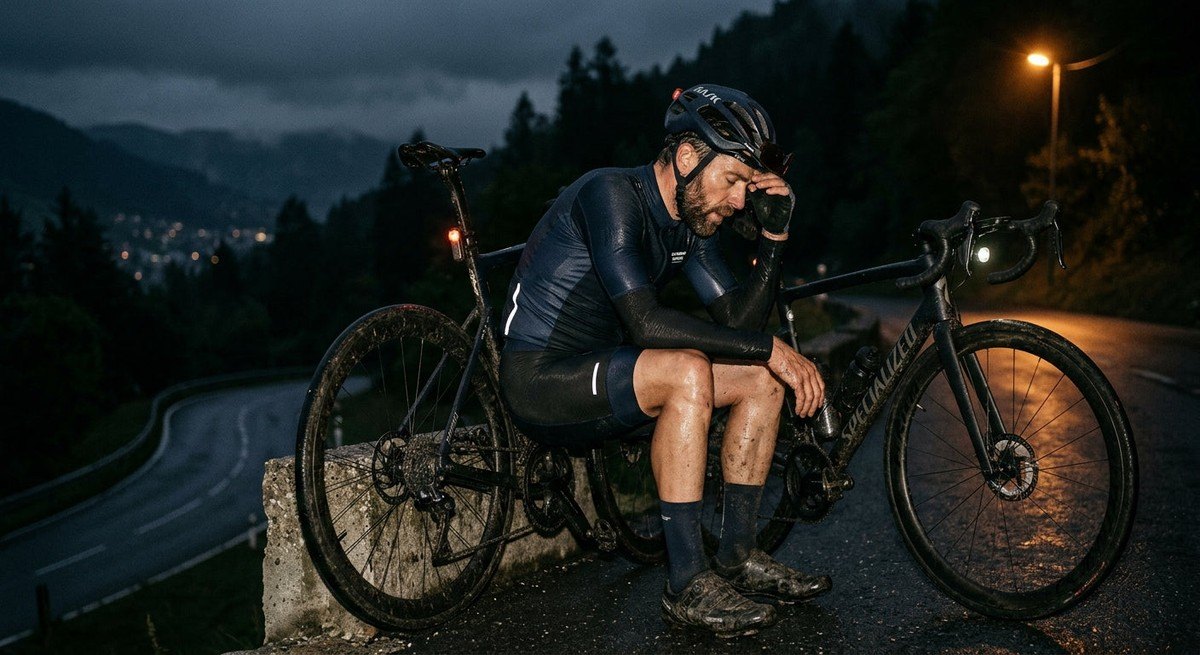
If you find that your legs feel heavy, lethargic, or if your resting heart rate remains elevated, a complete rest day is the superior choice. Listening to the body’s internal feedback loop is the hallmark of a professional approach. Do not feel compelled to ride simply to satisfy a digital training calendar if your physiological markers suggest that your central nervous system requires total downtime.
Tips for Improving
To maximise the efficacy of these sessions, prioritise recovery-focused nutrition. Even on light days, maintaining adequate protein intake is vital for muscle protein synthesis. Hydration should not be neglected; electrolytes play a crucial role in cellular function, even when the intensity of your efforts is minimal.

Looking to shave time off your personal best?
Get immediate pacing strategies and interval workout ideas directly on-site for free. Try asking Raye: 'What is the best threshold session to help drop my 10K time?' Get instant pacing tips
Furthermore, consider the environment of your recovery ride. A scenic, low-traffic route can offer psychological benefits, reducing cortisol levels and aiding in mental recovery. If the weather is inclement, a short session on an indoor trainer can be highly effective, as it eliminates the unpredictable external variables of road cycling.
Finally, track your progress using objective data. Use metrics such as heart rate variability (HRV) to gauge your readiness. If your HRV indicates a state of parasympathetic dominance, a light spin can be the perfect catalyst for recovery. If the data suggests deep fatigue, opt for sleep and mobility work instead of the bike.
Special Features & Technical Specifications
Material Composition
Modern recovery-focused cycling gear now prioritises compression fabrics, often utilising high-elastane blends that provide graduated pressure to the lower limbs, assisting in venous return during light pedalling.
Physical Dimensions and Engineering
Engineering changes in modern road frames have shifted toward increased compliance. By thinning the seat stays and utilising carbon layups designed for vertical flex, manufacturers have created frames that naturally dampen road vibration, making recovery rides less taxing on the rider’s skeletal structure.
Weight Considerations
While weight is the primary focus for climbing bikes, for recovery sessions, the weight of the peripheral components—such as heavier, more durable tyres—can actually provide a smoother, more stable ride, further encouraging the rider to maintain a relaxed, low-intensity pace.
Ultimately, the synthesis of these two approaches is the key to longevity in the sport. By oscillating between total rest and active recovery, the athlete creates a robust framework that supports high-intensity performance while mitigating the risk of overtraining syndrome. Balance is not merely an ideal; it is an analytical necessity for the modern cyclist.


