

How to Train for a Century (100-Mile) Bike Ride


Want to build strength to support your running?
Get targeted strength routines and mobility exercises designed specifically for runners directly on-site. Try asking Raye: 'What are 3 key gym exercises to improve running economy?' Get strength tips
Conquering a century ride—a gruelling 100-mile cycling odyssey—represents a significant milestone in any endurance athlete's journey. It is not merely a test of physical capacity but a profound examination of mental fortitude, metabolic efficiency, and meticulous preparation. For the dedicated cyclist, the century is the ultimate theatre for demonstrating peak performance and resilience.
Achieving this distance requires a structured approach that prioritises progressive overload, nutritional precision, and biomechanical optimisation. As you prepare to spend six to eight hours in the saddle, your strategy must evolve from casual weekend riding to a disciplined regimen designed to fortify your cardiovascular system and muscular endurance.
How can I start out?
The foundation of any successful century training programme is the establishment of a consistent aerobic base. Beginners should initiate their training at least sixteen weeks prior to the event, focusing on low-intensity, high-volume sessions. Prioritise building your weekly mileage incrementally, ensuring that you do not increase your total distance by more than ten per cent week-on-week to prevent overuse injuries.
Integrate structured intervals into your routine once your base is established. These sessions, performed at or slightly above your lactate threshold, are essential for improving your power output and metabolic efficiency. Utilise a heart rate monitor or power meter to ensure your efforts remain within the prescribed zones, allowing for precise physiological adaptation.
Rest and recovery days are as critical as the training sessions themselves. During these periods, your body repairs the micro-tears in muscle fibres and adapts to the stress of your training load. Neglecting rest will lead to stagnation and potential overtraining syndrome, which can derail your progress entirely.
Tips for Improving
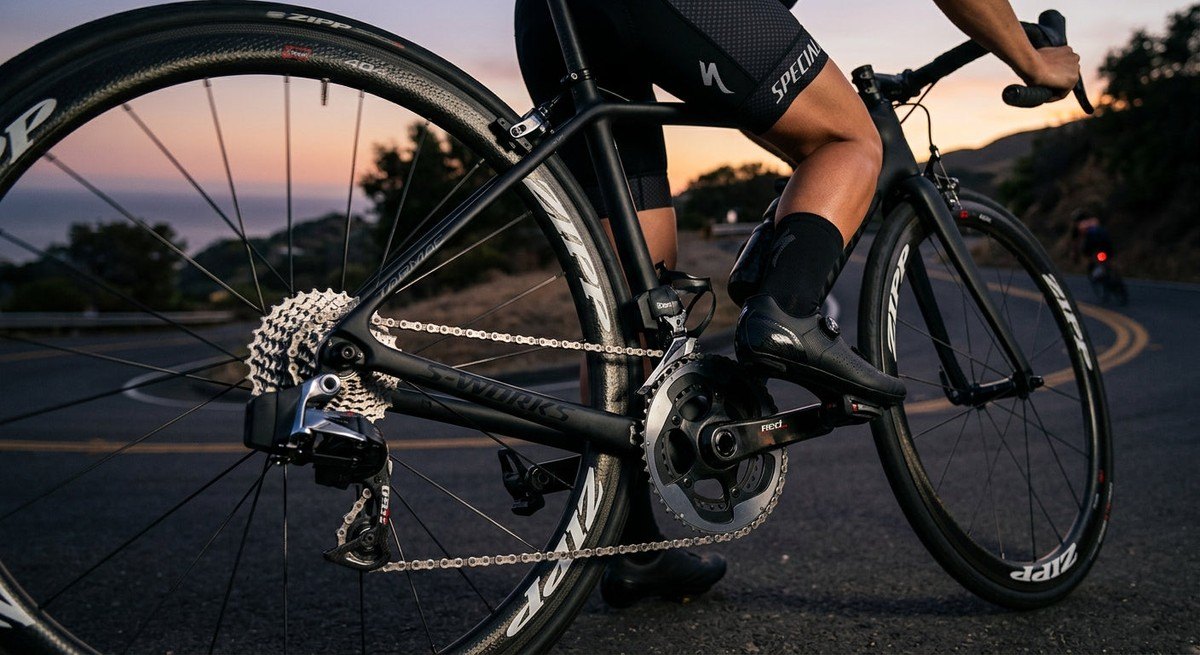
Refining your riding technique is paramount for long-distance efficiency. Focus on your pedalling cadence, aiming to maintain a consistent rhythm between 85 and 95 revolutions per minute. This reduces the strain on your musculature and shifts the metabolic burden onto your aerobic system, preserving your glycogen stores for the later stages of the ride.
Nutrition and hydration strategy is the invisible engine of the century cyclist. You must practise your fuelling during training rides to determine what your digestive system can tolerate under exertion. Aim for 40 to 60 grams of carbohydrates per hour, supplemented by adequate electrolyte intake to maintain fluid balance and prevent cramping.

Have a specific performance goal in mind?
Get direct feedback on your training targets right here on the page—no sign-up or account required. Try asking Raye: 'How should I adjust my weekly mileage for a sub-20 minute 5K?' Ask about your goals
Mental preparation is often the deciding factor in the final thirty miles. Break the 100-mile journey into manageable segments, such as twenty-mile blocks. By focusing on the immediate goal rather than the daunting total distance, you maintain psychological momentum and avoid the fatigue-induced cognitive decline that often plagues long-distance athletes.
Special Features & Technical Specifications
Material Composition and Ergonomics
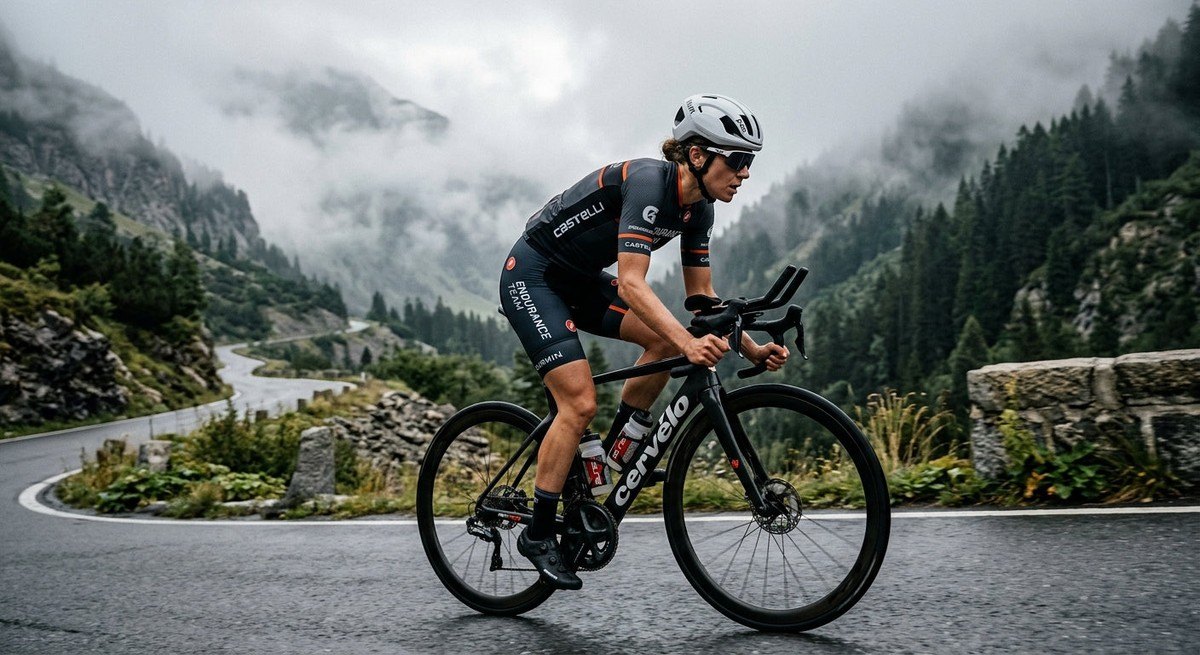
Modern endurance bikes are engineered with high-modulus carbon fibre layups designed to dampen road vibration. This specific carbon geometry allows for a degree of vertical compliance, reducing rider fatigue over rough tarmac. The inclusion of vibration-absorbing elastomers in the seat stays is a significant engineering shift from the rigid frames of previous generations.
Physical Dimensions and Weight Profiles
Current century-ready machines typically feature a relaxed geometry, characterised by a taller head tube and a longer wheelbase for enhanced stability. The average weight of a performance-oriented endurance bike has dropped to approximately 7.5 kilograms, thanks to advancements in resin-transfer moulding and lightweight aluminium alloy components for finishing kits.
Engineering Evolution
Compared to models from five years ago, today’s bikes feature wider tyre clearances, accommodating 30mm or 32mm tubeless tyres. This shift allows for lower tyre pressures, which significantly improves rolling resistance on imperfect road surfaces. The integration of hydraulic disc braking systems has also revolutionised the century experience, providing consistent stopping power in all weather conditions, which is vital for long-distance safety.
As you approach your goal, remember that the century is a celebration of your dedication. By adhering to a rigorous training structure, fine-tuning your nutritional intake, and respecting the technical requirements of your equipment, you will arrive at the start line with the confidence that only thorough preparation can provide.


