

Sarcopenia Prevention for Master Triathletes: Heavy Resistance Training After Age 40


Want to build strength to support your running?
Get targeted strength routines and mobility exercises designed specifically for runners directly on-site. Try asking Raye: 'What are 3 key gym exercises to improve running economy?' Get strength tips
For the master triathlete, the physiological clock presents a formidable adversary: sarcopenia. This age-related decline in muscle mass and function, particularly affecting Type II fast-twitch muscle fibres, can derail performance metrics long before the cardiovascular system begins to falter. As athletes transition into their fourth and fifth decades, the focus must shift from pure aerobic volume to the preservation of contractile force.
Sarcopenia is not merely a reduction in size; it is a profound alteration in muscle architecture. Research indicates that after the age of 40, muscle mass may decline by as much as 8 per cent per decade. For the multisport athlete, this translates to a loss of explosive power on the bike and a reduction in ground-contact force during the run. The solution is not more miles, but a strategic, heavy-load intervention designed to stimulate motor unit recruitment.
How can I start out?
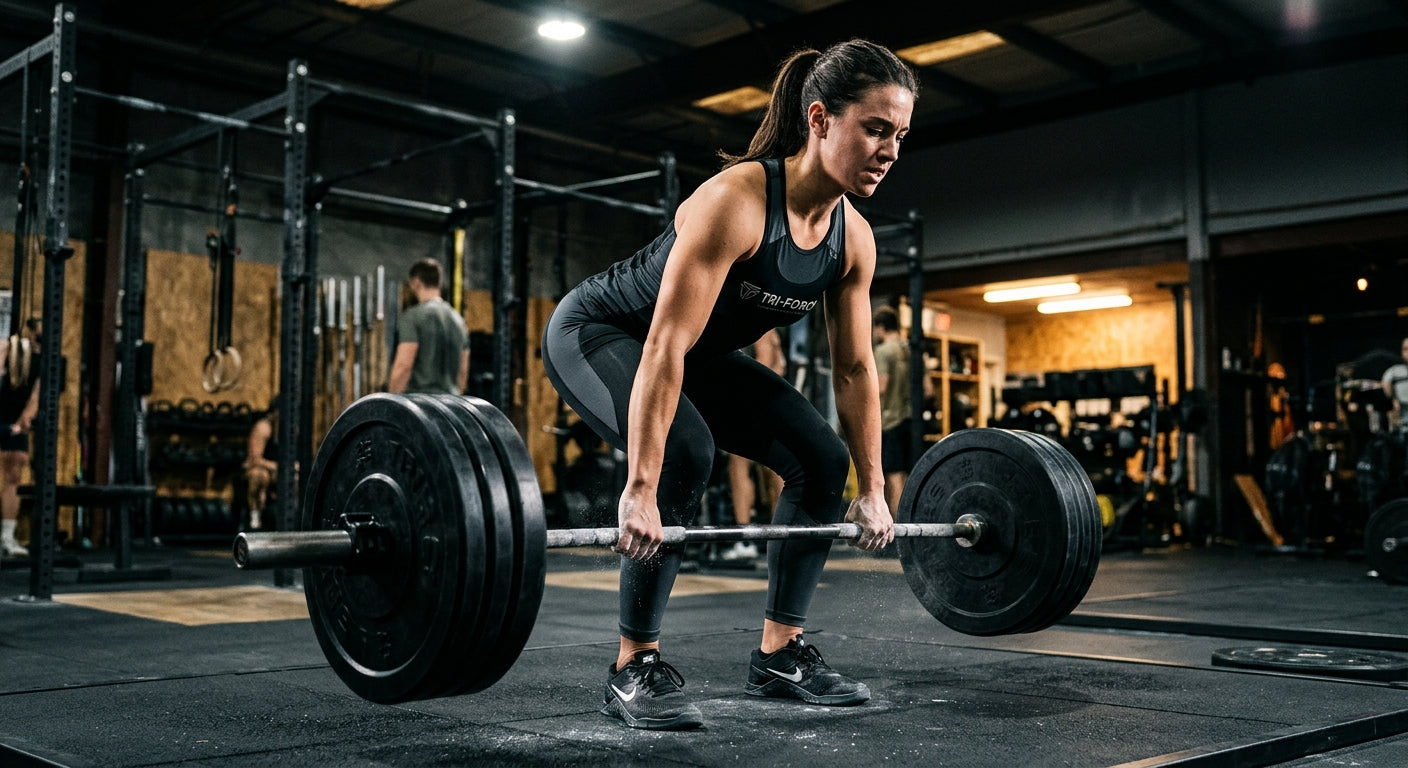
Initiating a heavy resistance programme requires a departure from traditional 'high-rep, low-weight' conditioning. The objective is to recruit high-threshold motor units that are typically dormant during steady-state endurance training. Begin by integrating compound movements such as back squats, deadlifts, and overhead presses into your weekly cycle. These movements demand multi-joint coordination and force production that mirrors the kinetic chains used in swimming, cycling, and running.
Prioritise a slow, controlled eccentric phase—the lowering portion of the lift—lasting three to four seconds. This focus on 'heavy-slow resistance' (HSR) maximises mechanical tension, which is the primary driver of muscle protein synthesis and tendon hypertrophy. Utilising high-quality apparel, such as the performance-focused range from Sundried, ensures that you maintain optimal range of motion without the restriction of inferior fabrics during these technical lifts.
Beginners should focus on a frequency of two sessions per week, allowing at least 48 hours of recovery between bouts. Mastery of form is non-negotiable; as fatigue sets in, the risk of injury increases, which is why support sleeves are highly recommended to provide proprioceptive feedback and joint stability during heavy sets.

Tips for Improving
Progressive overload is the cornerstone of any effective strength programme. Once form is consistent, increase the intensity by adding weight rather than volume. Aim for sets in the three to six-rep range at 80-85 per cent of your one-rep maximum. This intensity is sufficient to trigger neural adaptations and combat the atrophy of fast-twitch fibres that endurance athletes often neglect.

Have a specific performance goal in mind?
Get direct feedback on your training targets right here on the page—no sign-up or account required. Try asking Raye: 'How should I adjust my weekly mileage for a sub-20 minute 5K?' Ask about your goals
Nutrition plays a pivotal role in this physiological restructuring. To support the repair of damaged muscle fibres, increase your intake of high-quality protein, aiming for 1.6 to 2.0 grams per kilogram of body weight. Supplementing this with resistance gear that offers compression can also improve blood flow, facilitating quicker recovery cycles after intense gym sessions.
Monitor your progress through objective data. Track your 1RM or your ability to maintain force output across multiple sets. If performance plateaus, consider a deload week to allow the central nervous system to reset. Remember, the goal is not to become a bodybuilder, but to build a robust chassis capable of sustaining endurance efforts well into your later years.
Special Features & Technical Specifications
Material Composition
Modern training gear, such as the Sundried collection, utilises advanced recycled fabrics engineered for moisture-wicking and thermal regulation. These textiles offer a four-way stretch, essential for the deep flexion required in heavy squats and deadlifts.
Physical Dimensions and Engineering
Current generation support sleeves have been redesigned with an ergonomic contour that mimics the musculoskeletal structure of the knee and elbow. By reducing shear force on the joint capsule, these sleeves allow for greater load bearing while minimising the risk of tendinopathy, a common ailment among ageing triathletes.
Weight and Performance Metrics
Compared to previous iterations of gym wear, which were often bulky and prone to overheating, the latest generation of compression gear is 15 per cent lighter. This reduction in weight, coupled with increased structural integrity, allows for a more natural biomechanical path during high-intensity resistance training.
Ultimately, the marriage of endurance training and heavy resistance work is the only sustainable strategy for the ageing athlete. By addressing the inevitability of sarcopenia through controlled, heavy-load stimulus, you ensure that your power-to-weight ratio remains competitive, allowing you to cross the finish line with the same vigour you possessed in your youth.


