

Protein Synthesis for Endurance Athletes: Timing and Leucine Thresholds for Recovery


Need performance advice right now?
Ask our on-site coach anything about your routines. It's completely free and available immediately right here: 'What are 3 quick exercises for ankle mobility?' Ask Raye for free
For the elite cyclist or long-distance runner, the physiological toll of endurance training often culminates in significant muscle protein breakdown. While aerobic capacity is the primary focus, the biochemical reality of recovery hinges on muscle protein synthesis (MPS). Understanding how to manipulate this process through nutritional timing and specific amino acid thresholds is the difference between stagnation and consistent athletic progression.
When you engage in prolonged cardiovascular exertion, your body enters a catabolic state. Post-exercise, the metabolic objective shifts to halting this breakdown and initiating the repair of micro-trauma within the muscle fibres. This transition is mediated by the availability of essential amino acids, particularly leucine, which acts as the primary molecular trigger for the mTOR pathway.
How can I start out?
The journey to mastering recovery begins with the immediate post-workout window. Research indicates that delaying protein intake significantly blunts the MPS response. To start, aim for a bolus of 20 to 30 grams of high-quality protein within 45 minutes of finishing your session. This provides the systemic circulation with the necessary building blocks to shift from a catabolic state to an anabolic one.
You must prioritise complete protein sources. Whey isolate remains the gold standard due to its rapid digestion and high leucine content, but plant-based alternatives are equally effective if supplemented to ensure a full amino acid profile. Consistency is the primary variable; ensure that your protein intake is distributed evenly across four to five meals throughout the day, rather than consuming the bulk of your daily requirements in a single sitting.
Integrating proper gear is equally vital for your recovery environment. Wearing high-performance apparel, such as the Sundried post-workout collection, assists in maintaining optimal body temperature and circulation post-exertion. Proper compression and moisture-wicking properties ensure your muscles remain supported while you transition into the recovery phase.

Tips for Improving
Once you have established a baseline, the next phase involves hitting the leucine threshold. Leucine is the 'switch' that activates protein synthesis. For an endurance athlete, a dose of approximately 2.5 to 3 grams of leucine per meal is required to maximise this response. By ensuring your protein sources contain this amount, you are effectively signalling your body to prioritise the repair of muscle tissue over systemic inflammation.
Mitochondrial repair is another critical element often overlooked by endurance athletes. While protein synthesis focuses on contractile proteins, mitochondrial biogenesis relies on a steady supply of energy and amino acids to support the repair of cellular organelles. Pairing your protein intake with complex carbohydrates will facilitate an insulin response, which further dampens cortisol levels and assists in the efficient transport of amino acids into the muscle cells.

Need a clear race fuelling strategy?
Get instant, practical advice on hydration and race-day nutrition directly on this page for free. Try asking Raye: 'How many grams of carbs should I take per hour during a half marathon?' Ask for fuelling advice
Monitor your progress through objective markers. If you find your heart rate variability (HRV) remains suppressed or your perceived exertion during training stays high, your recovery protocols may require adjustment. Increase your protein intake slightly during high-volume training blocks, particularly in the lead-up to competitive events, to compensate for the elevated rate of muscle turnover.
Special Features & Technical Specifications
Material Composition
The Sundried post-workout apparel line utilises a proprietary blend of recycled synthetic fibres, specifically engineered for thermal regulation. These fabrics incorporate moisture-wicking technology that draws perspiration away from the skin, preventing rapid cooling and muscle stiffness during the critical post-exercise recovery window.
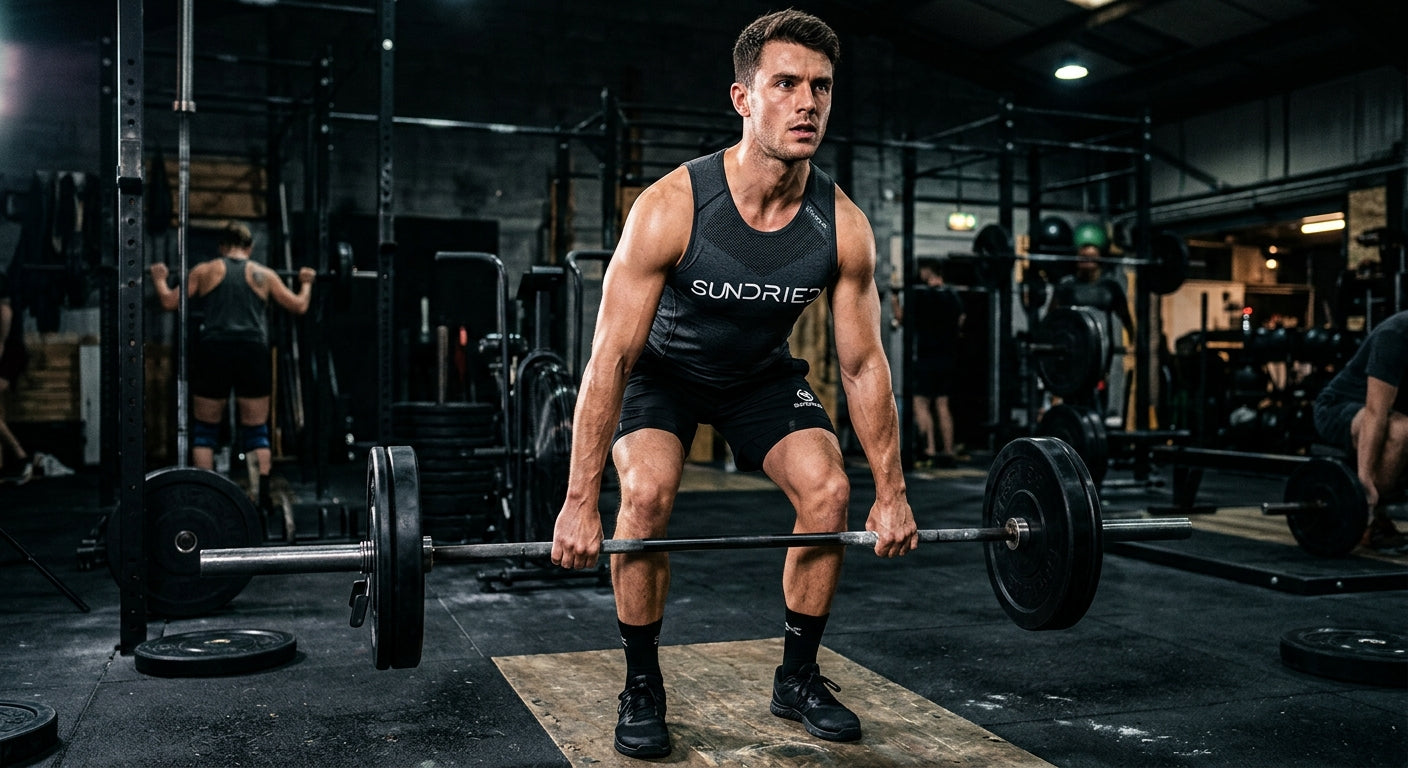
Physical Dimensions and Engineering
The latest iteration of Sundried apparel features a move towards seamless construction, reducing friction and potential skin irritation. Compared to previous generations, the engineering team has increased the density of the weave in key zones—specifically around the quads and lower back—to provide light compression without restricting natural movement patterns.
Weight and Performance Metrics
Each garment is designed to be lightweight, with an average weight reduction of 15% compared to legacy models. This reduction has been achieved by refining the knitting process, resulting in a fabric that maintains structural integrity and elasticity while significantly improving overall breathability for the modern athlete.
Ultimately, the synthesis of protein for endurance athletes is a precise science. By managing your leucine intake, timing your nutritional windows, and utilising supportive apparel, you position yourself to recover faster and train harder. The margin between a good athlete and an exceptional one is often found in these technical recovery details.


