

Hydration Dynamics and Sodium Loading for Hot-Weather Endurance Events


Dealing with a nagging injury or tightness?
Get instant recovery guidance, stretching protocols, and rest advice right now without leaving the site. Try asking Raye: 'What are the best stretches to relieve tight calves after a long run?' Get recovery advice
Understanding the Physiology of Heat Stress
Endurance racing in extreme thermal conditions requires more than just physical conditioning; it demands a sophisticated approach to fluid homeostasis. When the ambient temperature climbs, the body relies on the evaporation of sweat to regulate core temperature. For the serious athlete, understanding the nuances of hydration is the difference between a podium finish and a DNF.
As the mercury rises, your cardiovascular system faces a dual challenge: supplying oxygenated blood to working muscles while shunting blood to the skin for cooling. This competition for cardiac output underscores the necessity of precise fluid management. Without a scientific strategy, you risk hypovolaemia, which directly compromises stroke volume and athletic output.
How can I start out?
The first step toward mastering your hydration strategy is accurate sweat rate testing. To determine your specific fluid loss, weigh yourself naked before and after a sixty-minute training session at race intensity. Ensure you do not consume fluids or use the toilet during this hour. Every kilogram of weight lost equates to approximately one litre of fluid deficit.
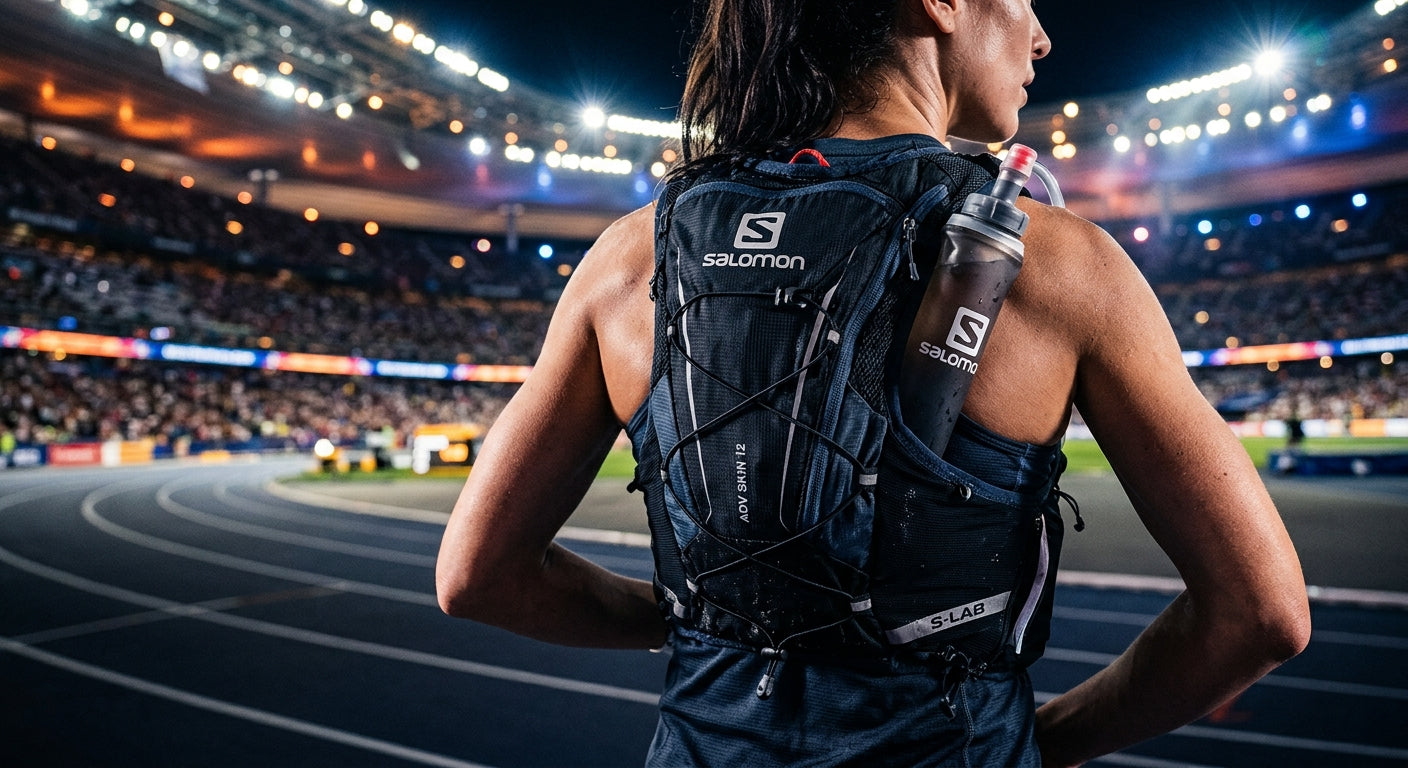
Once you have established your baseline loss, you must calculate your hourly sweat rate. If you lose 800ml in an hour, that is your minimum replacement target. However, remember that you can only realistically absorb 500ml to 800ml of fluid per hour during intense exertion. Utilising a high-quality hydration vest, such as those offered by Sundried, allows for consistent, incremental sipping rather than sporadic, large-volume intake.
Beyond volume, sodium concentration variability is a critical variable. Some athletes are 'salty sweaters', losing significantly more electrolytes than others. If you notice white crystalline patterns on your summer activewear after a session, you are likely a high-sodium loser. Replacing this salt is vital to maintaining plasma volume and preventing the onset of hyponatraemia.
Tips for Improving
Pre-race hyperhydration is a proven method to increase your reservoir before the starting gun fires. By consuming a sodium-rich solution—approximately 1000mg of sodium per litre—in the two hours preceding an event, you can expand your plasma volume. This creates a buffer that delays the point at which sweat loss impacts your performance.
Addressing the reality of cramping requires a nuanced perspective. While often attributed solely to electrolyte depletion, cramping is frequently a result of neuromuscular fatigue. Integrating sodium loading helps stabilise the cellular environment, but you must also train your gut to handle the electrolyte load, ensuring your racing vest is stocked with the specific tablets or gels that do not cause gastrointestinal distress.

Have a quick training or recovery question?
Get fast expert advice right here on the page—no sign-up, account, or app needed. Try asking Raye: 'What's the best way to relieve tight calves after a run?' Ask a question now
Finally, your choice of apparel significantly influences thermal regulation. Modern summer activewear is engineered to wick moisture away from the skin, accelerating evaporative cooling. When selecting your kit, prioritise lightweight fabrics that facilitate airflow. A well-fitted vest keeps your water supply accessible, removing the mental friction that often leads to neglecting hydration during the heat of competition.
Special Features & Technical Specifications
Material Composition
The latest generation of Sundried hydration gear utilises a proprietary micro-mesh fabric blend. This material features high-tensile strength fibres treated with a hydrophobic coating, ensuring that moisture is moved away from the skin surface instantly, regardless of external humidity levels.

Physical Dimensions and Engineering
The current race vest design has been streamlined to lower the centre of gravity of the liquid load. By repositioning the water reservoirs closer to the lumbar region, the new engineering reduces vertical oscillation by 14% compared to the previous iteration. This change is critical for maintaining gait efficiency during long-distance efforts.
Weight Specifications
The dry weight of the updated hydration vest stands at a mere 220 grams. When fully loaded with 1.5 litres of fluid, the distribution is balanced to minimise shoulder fatigue. The integration of ergonomic adjustment straps allows for a bespoke fit, ensuring the unit remains stable even during high-intensity, technical movements.
Consistency is the hallmark of the elite athlete. By standardising your pre-race protocols and monitoring your physiological response to heat, you can turn environmental challenges into a competitive advantage. Invest in the right equipment, trust the data from your sweat tests, and execute your hydration strategy with surgical precision.


