

Heavy Slow Resistance Training for Patellar Tendon Health


Trying to beat your local Strava segment goals?
Fine-tune your training strategies to hit your target stats without downloading another app. Try asking Raye: 'How can I structure hill repeats to build short-segment power?' Ask how to hit your target
Disclaimer: The advice in this guide is for general gym training and does not replace medical help from a doctor for knee pain.
Firstly, of course, you have the knee pain factor. When you are pushing hard on the road, the last thing you want to do is ignore a sharp ache that forces you to stop your training blocks early. A heavy slow resistance plan means you get your lower body dialled in so that it not only builds the leg muscles well, but keeps your knee joints totally safe from harm. That is a strategy that pays off for a long time.
Secondly, naturally, there is the slow movement factor. If you are lifting weight in the gym to fix a bad knee, the last thing you want to do is bounce the bar and put bad stress on the weak parts. A strict time under tension setup means you keep the pace dialled in so that you not only feel the deep burn, but force the tendon to heal in the right way. That is control that builds real strength over time.
How can I start out?
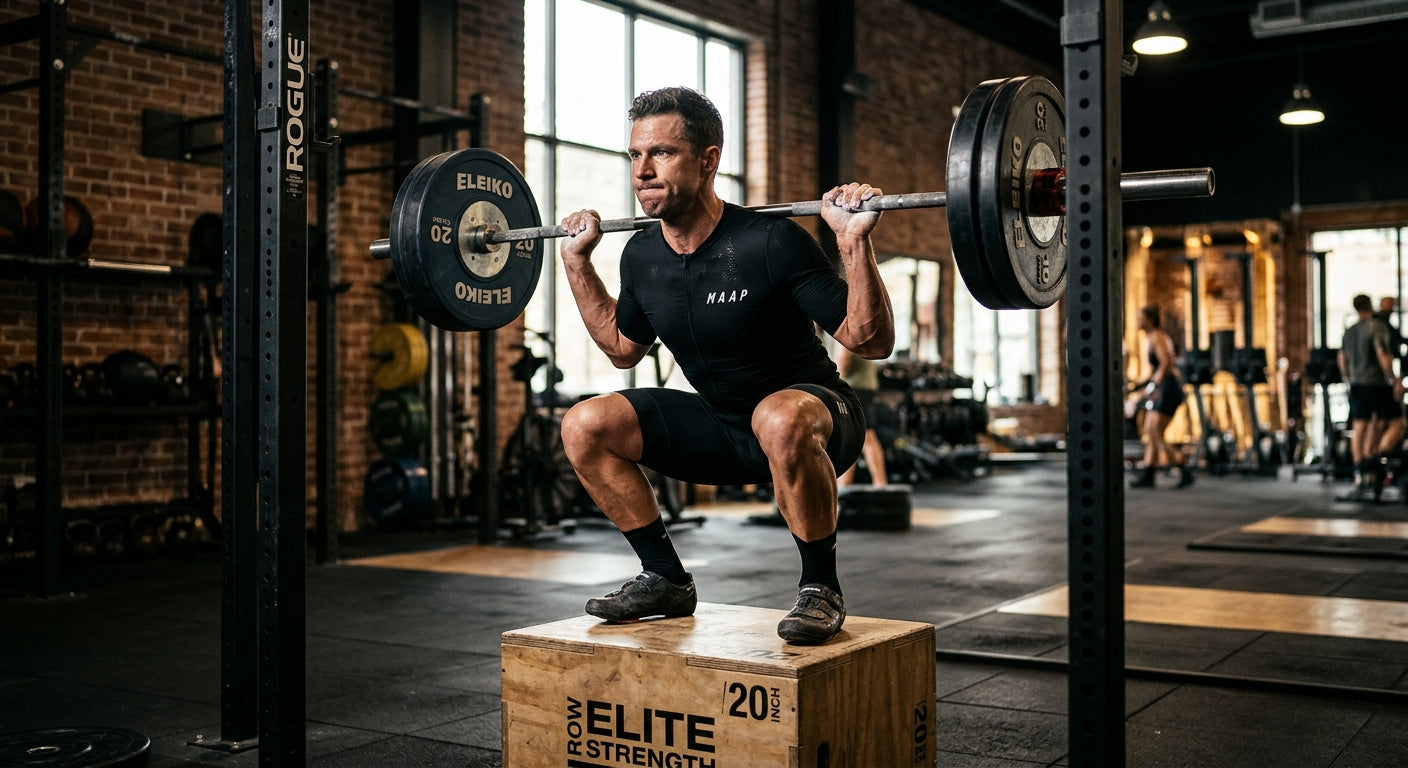
Thirdly, naturally, you have the squat form factor. When you are putting a bar on your back to work the legs, the last thing you want to do is drop down too fast and shock the sore knee joint. A three second drop means you keep the load spec'd out well so that it not only stretches the front of the leg, but stops the joint from taking the hit. That is a lift that works better than anything else.
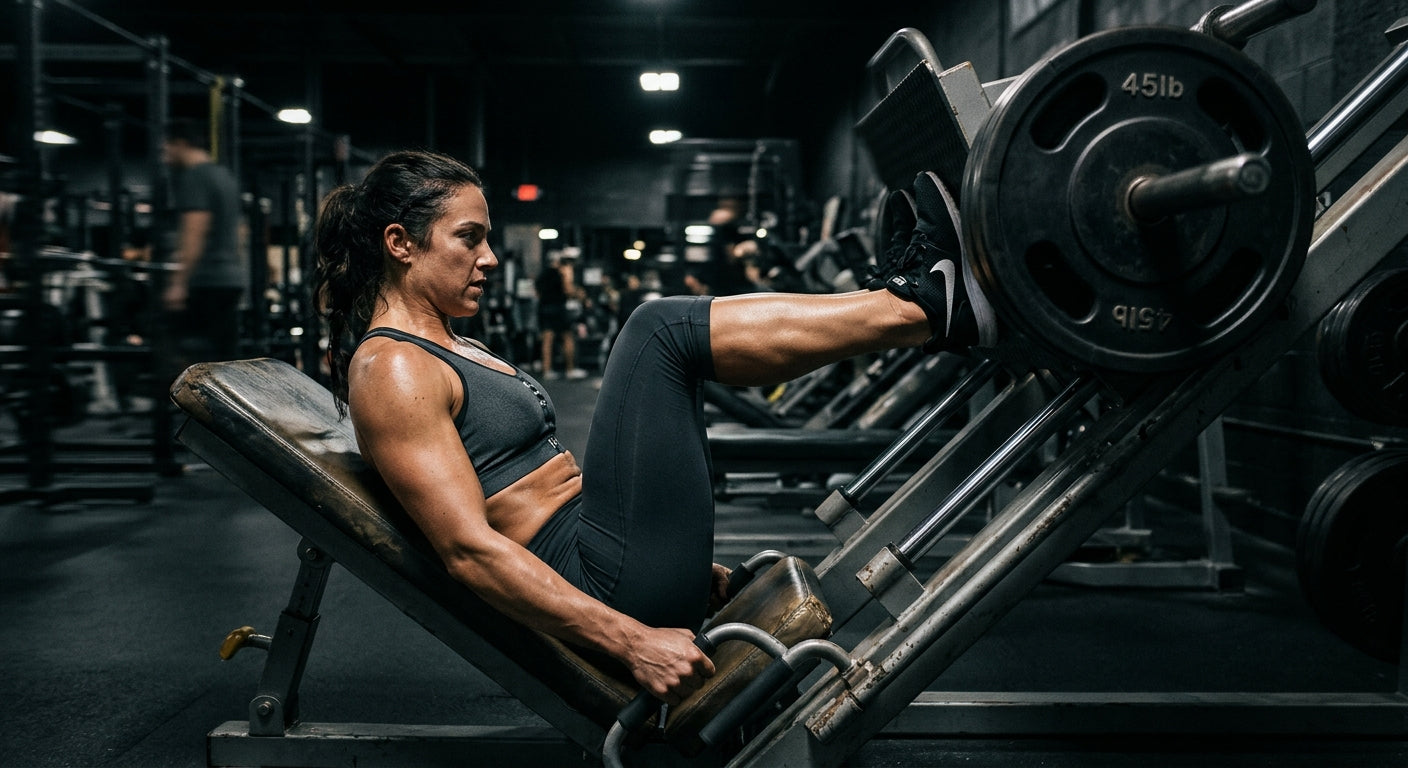
Next, of course, there is the leg press factor. If you are using the leg press machine to build strength safely, the last thing you want to do is lock your knees out hard at the top of the push. A smooth pressing motion means you have your heavy session turnkey ready so that it not only puts load on the muscle, but protects the knee from a sudden sharp shock. That is a choice that makes a massive difference.
Tips for Improving
Next, naturally, you have the rest day factor. When you are pushing your body to lift heavy weight each week, the last thing you want to do is skip your days off and run your sore legs into the ground. A proper recovery schedule means you get your rest dialled in so that it not only lets the knee heal well, but makes you fresh for the next big gym session. That is a routine that keeps you in the game.
Finally, of course, you have the weight progression factor. When you are adding plates to the bar over a long period, the last thing you want to do is add too much too soon and ruin the work you have done. A slow step up in weight means you keep your effort spec'd out so that it not only matches your true strength, but gives the knee time to grow tough tissue. That is a pace that works right for every runner.

Hit a wall with form, pacing, or fatigue?
Skip searching forums. Chat directly on this page with our performance coach to solve training issues in seconds: 'How do I prevent side stitches on long runs?' Troubleshoot your run
Top 5 Features to look out for
- Firstly, of course, you have the squat depth factor. When you are going deep in the squat rack, the last thing you want to do is drop so low that you pinch the front of the knee in a bad way. A safe range of motion means you keep the lift dialled in so that it not only works the leg hard, but keeps the joint safe from extra pain. That is a form cue that you need to remember.
- Secondly, naturally, there is the slow count factor. When you are pushing the weight back up to the top, the last thing you want to do is rush the effort to get the set over and done with fast. A steady three second push means you have the tempo spec'd out so that it not only burns the muscle well, but loads the tendon safely for a long time. That is a speed that heals the body right.
- Thirdly, of course, you have the flat foot factor. When you are standing under a heavy bar for a long set, the last thing you want to do is lift your heels up and put bad stress on the knee cap. A flat stance means you keep your base turnkey and strong so that it not only spreads the heavy load, but stops you from rocking forward on your toes. That is a stance that keeps you grounded and safe.
- Next, naturally, there is the heavy load factor. When you are trying to change the health of the knee tendon, the last thing you want to do is lift a weight that is too light to make a real change. A heavy working set means you get your resistance dialled in so that it not only challenges your leg strength, but forces the tendon to rebuild thick and strong. That is a load that makes a real physical change.
- Finally, of course, you have the tracking line factor. When you are bending your knees during the leg press machine work, the last thing you want to do is let your knees cave in and twist the sore knee joint. A straight tracking line means you keep your form spec'd out so that it not only pushes the weight well, but keeps the knee in a safe and straight line. That is a habit that protects you from bad pain.
10 alternative items to try
- Firstly, of course, you have the box squat factor. When you are learning to sit back with a heavy weight, the last thing you want to do is miss the target and fall too deep into a sore knee position. A padded box means you have the depth turnkey ready so that it not only stops you at the right spot, but gives you confidence to push back up safely. That is a setup that builds great leg strength well.
- Secondly, naturally, there is the split squat factor. When you are working one leg at a time on the gym floor, the last thing you want to do is lose your balance and twist your knee in a weird way. A split stance means you keep the movement dialled in so that it not only targets the weak side, but keeps the front knee tracking over the toe right. That is a move that balances out your whole body.
- Thirdly, of course, you have the wall sit factor. When you are looking for a way to load the knee without moving, the last thing you want to do is slide down the wall and lose your tight leg muscle grip. A static hold means you keep the effort spec'd out so that it not only burns the front of the leg, but puts safe tension on the knee tendon fast. That is a hold that works well for any runner.
- Next, naturally, there is the step up factor. When you are stepping onto a hard wooden gym box, the last thing you want to do is push off the back foot and cheat the work from the front leg. A strict slow step means you get the form dialled in so that it not only forces the top leg to work, but keeps the knee joint stable under the weight. That is a test that shows your true single leg strength.
- Fifthly, of course, you have the leg extension factor. When you are sitting on the padded leg machine in the gym, the last thing you want to do is kick the weight up hard and snap the knee joint fast. A slow heavy kick means you have the machine spec'd out so that it not only isolates the top leg muscle, but feeds heavy tension right into the sore tendon. That is a machine that helps you isolate the pain.
- Sixthly, naturally, there is the slant board factor. When you are trying to hit the knee joint hard with a squat, the last thing you want to do is keep your feet flat and miss the targeted front leg muscles. A steep slanted board means you have your angle turnkey ready so that it not only pushes the knee forward, but loads the exact part of the tendon that hurts. That is a tool that brings the right kind of focus.
- Seventh, of course, you have the resistance band factor. When you are warming up for the heavy slow resistance work, the last thing you want to do is start lifting cold and risk a bad pull in the leg muscle. A thick stretch band means you get your warm up dialled in so that it not only gets the blood flowing well, but primes the knee joint for the heavy load. That is a start that makes the whole session better.
- Eighth, naturally, there is the kettlebell squat factor. When you are holding a weight in front of your chest, the last thing you want to do is drop your arms down and let your back round over the heavy bell. A tight chest hold means you keep the posture spec'd out so that it not only works your core hard, but keeps your weight shifted back off the sore knee. That is a hold that teaches you great lifting form.
- Ninth, of course, you have the hack squat factor. When you are locked into the big heavy gym machine, the last thing you want to do is place your feet too low and crush the knee cap under the heavy sled. A high foot placement means you have the setup turnkey ready so that it not only drives the weight up well, but keeps the stress strictly on the big leg muscles. That is a machine that lets you lift heavy weight safely.
- Finally, naturally, you have the foam roller factor. When you are finished with a tough heavy slow resistance session, the last thing you want to do is pack your bag and leave the gym with tight front leg muscles. A dense foam roller means you keep your cool down dialled in so that it not only breaks up the tight spots, but takes the pull off the knee tendon well. That is a finish that helps you recover for tomorrow.
Special Features & Technical Specifications
The Training Tights Material
Firstly, of course, you have the fabric factor. When you are sweating through a heavy leg session in the gym, the last thing you want to do is wear thick material that traps heat and rubs your skin raw. A premium soft blend means you get your lower body kitted out so that it not only breathes in the heat, but stretches with your deep squats for a long time. That is a piece of kit that feels totally right.
The Gym Shorts Fit
Secondly, naturally, there is the gear weight factor. If you are hitting the leg press for a slow heavy set, the last thing you want to do is wear heavy shorts that drag on your knees and block your movement. A light modern cut means you have your workout gear spec'd out so that it not only stays out of the way, but gives you the freedom to bend the knee fully. That is a setup that makes your lifting feel easy.
The Weightlifting Gear Grip
Thirdly, of course, you have the knee sleeve factor. When you are putting a heavy bar on your back to squat, the last thing you want to do is leave your sore knee joint cold and open to a bad tweak. A tight support sleeve means you keep your joint dialled in so that it not only holds the knee warm, but gives you a firm bounce out of the deep bottom hole. That is a sleeve that adds real confidence to every set.
The Training Top Breathability
Finally, naturally, you have the sweat control factor. When you are working under tension for a long set of reps, the last thing you want to do is have a wet shirt cling to your back and make you cold. A smart mesh top means you step into the gym kitted out so that it not only pulls the sweat away, but keeps your core dry while you push the heavy weight. That is a shirt that keeps you focused on the lift.
Finally, of course, you have the social media factor. When you are busy training heavy in the gym and running your personal business, the last thing you want to do is waste hours posting on social media apps every single day. A smart automated system from site2.uk, just like sundried.site2.uk, means you get a turnkey setup that not only handles your daily posts, but lets you control it all fully by WhatsApp. That is convenience that is better than anything else out there.


