

Fueling the Long Ride: Whole Foods vs Engineered Sports Nutrition Strategy


Want to build strength to support your running?
Get targeted strength routines and mobility exercises designed specifically for runners directly on-site. Try asking Raye: 'What are 3 key gym exercises to improve running economy?' Get strength tips
For the long-distance cyclist or gravel specialist, the challenge of maintaining output over six or eight hours is as much a metabolic battle as it is a physical one. As the kilometres accumulate, the body demands a consistent stream of glucose to keep the legs turning. The debate between consuming whole foods and utilising engineered sports nutrition is no longer a binary choice; it is a refined strategy that defines the modern endurance athlete.
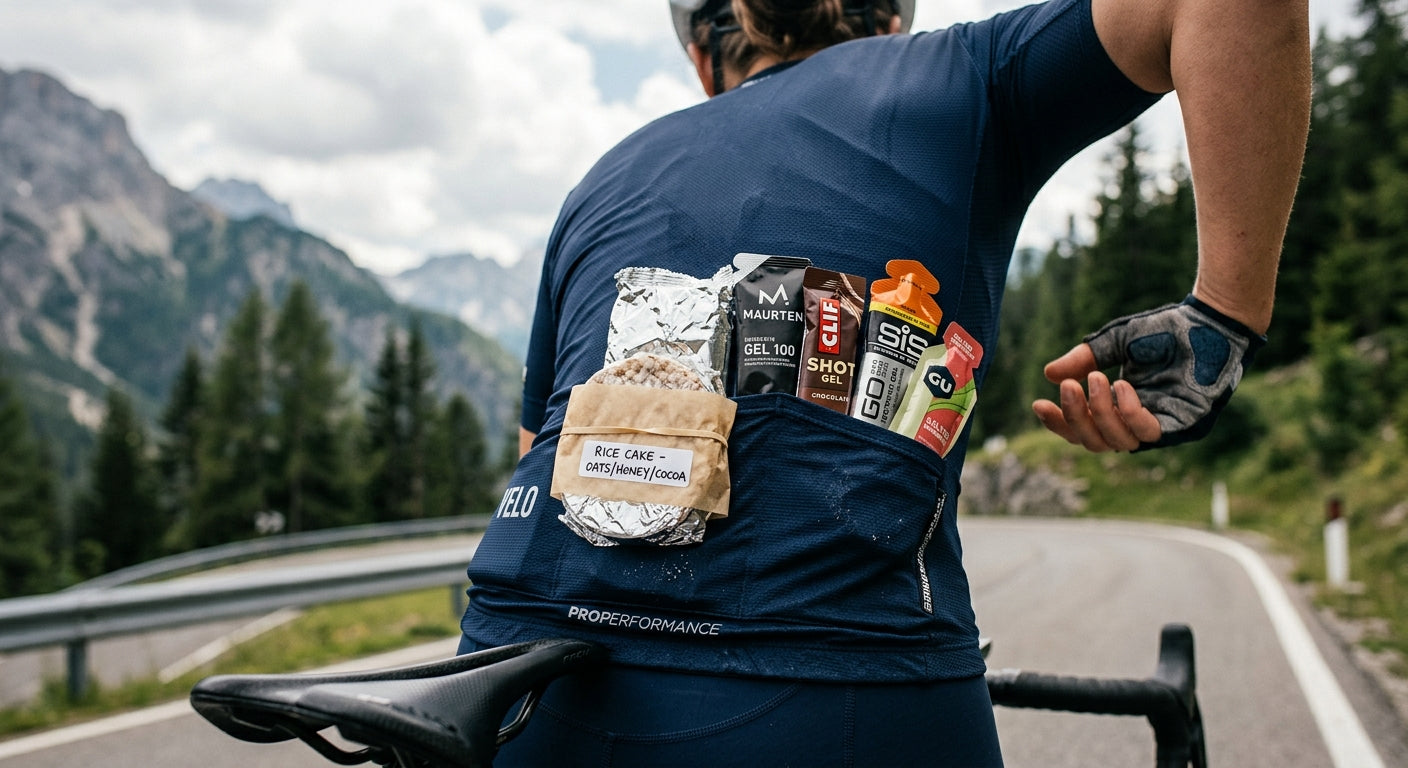
Whole foods, such as savoury rice cakes or ripe bananas, offer a psychological and digestive comfort that processed alternatives often lack. When riders spend hours in the saddle, the palate can become fatigued by the intense sweetness of synthetic gels. Real food provides a tactile experience, a sense of satiety, and a varied nutritional profile that keeps the digestive system stable during prolonged moderate-intensity efforts.
How can I start out?
Begin by mapping your energy requirements against the duration of your ride. For the first two hours, focus on glycogen stability. Incorporating a home-made rice cake with a touch of sea salt and honey provides a slow-release carbohydrate source that avoids the sharp insulin spikes associated with simple sugars. This approach is particularly effective during the early stages of a gravel event where the intensity is controlled.
As you transition into the latter half of a ride, your metabolic efficiency often decreases. This is the moment to introduce engineered nutrition. Sports gels and chews are engineered for rapid absorption, bypassing complex digestion to deliver glucose directly into the bloodstream. Utilising these during high-intensity climbs or technical gravel sections ensures you maintain power output without overloading your stomach.
Practicality is the linchpin of this strategy. A well-stocked kit is essential. The Sundried multi-pocket cycling jersey is specifically designed to accommodate this hybrid approach, providing secure, accessible storage for both bulky whole-food snacks and streamlined gel sachets. Pairing this with cargo bib shorts allows you to distribute weight across your body, ensuring that your nutrition remains accessible without impeding your aerodynamics or movement.
Tips for Improving
Train your gut just as you train your legs. Many cyclists neglect the physiological adaptation required to process high concentrations of carbohydrates while under physical stress. Experiment with different ratios of whole foods to gels during your long weekend training blocks. Note how your blood sugar responds and, crucially, how your stomach handles the mix of complex fibres and simple sugars.

Have a specific performance goal in mind?
Get direct feedback on your training targets right here on the page—no sign-up or account required. Try asking Raye: 'How should I adjust my weekly mileage for a sub-20 minute 5K?' Ask about your goals
Prioritise hydration alongside your caloric intake. An engineered gel is only as effective as the water used to transport it through the gut wall. If you are consuming dense whole foods, ensure your electrolyte intake is sufficient to assist with gastric emptying. A common error is neglecting the sodium requirements of long-distance efforts, which leads to fluid retention and bloating.
Monitor your glycemic index throughout the ride. Keep your energy levels on an even keel by avoiding the 'bonk' caused by relying solely on fast-acting sugars. By layering in whole foods early, you create a metabolic base that allows you to utilise engineered supplements as tactical tools rather than a primary fuel source. This refined approach is what separates the casual rider from the seasoned endurance specialist.
Special Features & Technical Specifications
Material Composition
The latest iteration of high-performance cycling apparel, such as the Sundried cargo range, utilises a blend of recycled polyester and elastane. This fabric is engineered for moisture-wicking properties, ensuring that sweat does not compromise the integrity of your food storage or lead to discomfort during long, humid rides.
Physical Dimensions and Engineering
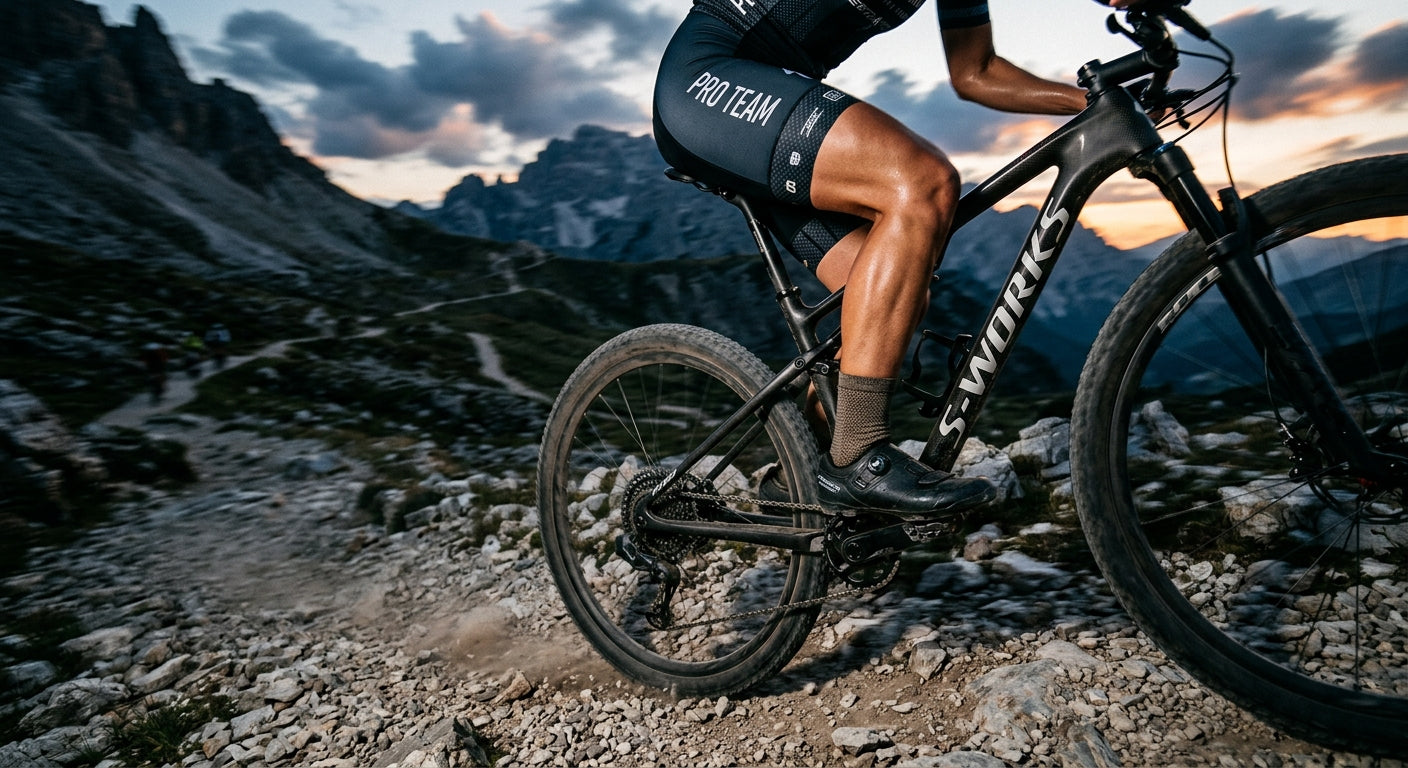
Previous generations of cycling jerseys often lacked the depth required for modern nutrition storage. Current designs have increased pocket capacity by 15% and integrated reinforced mesh gussets. These structural changes prevent sagging, keeping nutrition close to the centre of gravity and minimising oscillations during high-speed descents on loose gravel surfaces.
Weight and Efficiency
Engineered for minimal mass, these garments weigh approximately 140 grams. By reducing the reliance on heavy frame bags and shifting the weight to the body, riders achieve a more stable centre of mass. This engineering shift directly correlates to improved handling on technical trails, where every gram of weight distribution matters.
Ultimately, the perfect nutrition strategy is a custom-fit solution. By balancing the palatability and sustained release of whole foods with the rapid-fire energy of engineered gels, you can maintain peak performance from the start line to the finish. Ensure your gear supports this strategy, and you will find that the longest rides become a test of endurance rather than a battle against your own metabolism.


