

Biomarker Monitoring in Endurance Athletes: Tracking Serum Ferritin, CK, and Cortisol


Want to build strength to support your running?
Get targeted strength routines and mobility exercises designed specifically for runners directly on-site. Try asking Raye: 'What are 3 key gym exercises to improve running economy?' Get strength tips
For the elite endurance athlete, training is only half the equation. The physiological cost of high-volume cycling, running, or triathlon training often remains hidden until the onset of overtraining syndrome or acute injury. To maintain peak performance, one must look beneath the surface of subjective feelings and examine the objective data provided by blood chemistry.
Monitoring key biomarkers—specifically serum ferritin, creatine kinase (CK), and cortisol—provides a window into your internal recovery status. By analysing these markers, athletes can make evidence-based decisions regarding training load, nutrition, and rest, ensuring that every session contributes to progress rather than systemic breakdown.
How can I start out?
The first step in establishing a biomarker protocol is to secure a baseline when you are in a state of 'fresh' recovery. Do not test during a peak training block; instead, schedule your initial blood draw during a deload week. This provides a reference point for your physiological norm.
Serum ferritin is the primary focus for iron status. Many endurance athletes suffer from 'non-anemic iron deficiency,' where haemoglobin remains within a normal range but stored iron is depleted. This leads to diminished aerobic capacity and persistent fatigue. If your ferritin levels drop below 30-50 ng/mL, your mitochondria cannot function with optimal efficiency, directly impacting your power output.
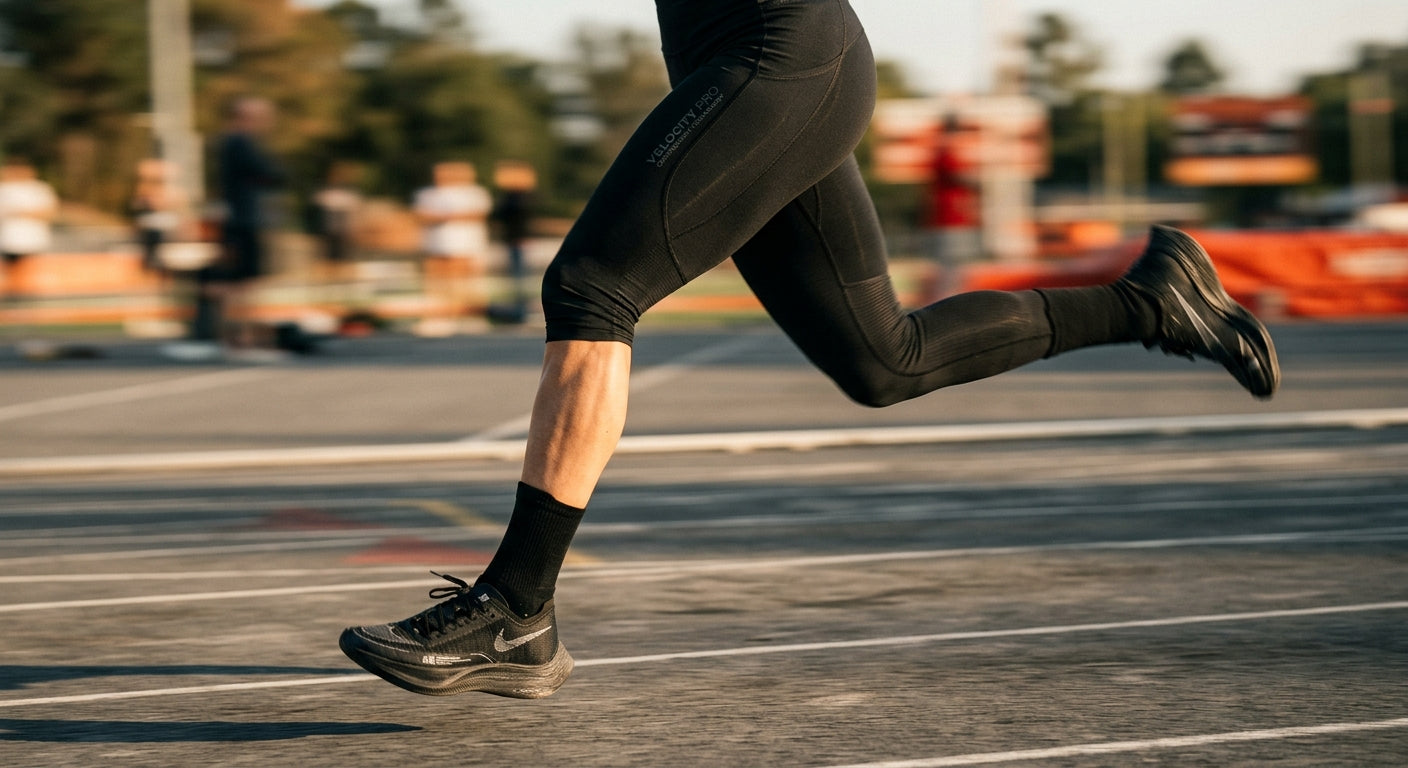
Next, consider Creatine Kinase. CK is an enzyme released into the bloodstream following muscle tissue damage. While elevated levels are expected after a heavy interval session, consistently high baseline CK suggests that your muscles have not fully repaired. This is a clear indicator that your recovery protocols, including the use of compression garments like those from Sundried, need to be prioritised.
Finally, track cortisol. As the body’s primary stress hormone, cortisol levels should follow a circadian rhythm, peaking in the morning and tapering off. If your levels remain chronically high, it signals systemic overreach. You are essentially living in a state of high-alert, which suppresses immune function and halts muscle protein synthesis.
Tips for Improving
Improving your biomarkers is not just about training harder; it is about managing the stressors that impact your endocrine system. Nutrition plays a vital role. To boost ferritin, ensure your diet is rich in bioavailable heme iron or pair plant-based iron sources with Vitamin C to increase absorption rates.
To manage CK levels, focus on the immediate post-exercise window. The application of recovery apparel can assist in mechanical recovery by promoting blood flow and reducing perceived muscle soreness. Furthermore, prioritise sleep hygiene. Using specialised sleep accessories to create a dark, cool environment can significantly lower evening cortisol levels, allowing for the deep REM sleep required for hormonal regulation.

Have a specific performance goal in mind?
Get direct feedback on your training targets right here on the page—no sign-up or account required. Try asking Raye: 'How should I adjust my weekly mileage for a sub-20 minute 5K?' Ask about your goals
Consistency in testing is paramount. Aim for quarterly blood panels to identify trends. If you notice a downward trend in ferritin or an upward drift in resting cortisol, adjust your training volume by 20% immediately. This proactive approach prevents the long-term burnout that sidelines many athletes for months.

Special Features & Technical Specifications
Material Composition
Modern recovery apparel is engineered from recycled, high-stretch synthetic fibres that provide graduated compression to targeted muscle groups, aiding venous return and reducing fluid accumulation post-effort.
Physical Dimensions and Weight
Current generation recovery garments have seen a 15% reduction in total mass compared to previous iterations, utilising laser-cut seams that weigh less than 5 grams per square metre, ensuring minimal friction during active recovery sessions.
Engineering Evolution
Compared to previous product generations, the latest recovery wear incorporates advanced moisture-wicking channels and antimicrobial silver-ion integration, allowing for extended wear during sleep without compromising hygiene or thermal regulation.
Ultimately, the marriage of hard data and smart lifestyle choices is what separates the amateur from the professional. By monitoring your ferritin, CK, and cortisol, you take control of your physiology. Invest in high-quality recovery gear, respect the science of your own blood chemistry, and you will find that your endurance capacity is not a static ceiling, but a dynamic, growing metric.


