

Aerodynamic Position Optimization on a Budget: Reducing Frontal Area Without a Wind Tunnel


Need performance advice right now?
Ask our on-site coach anything about your routines. It's completely free and available immediately right here: 'What are 3 quick exercises for ankle mobility?' Ask Raye for free
The Pursuit of Aerodynamic Efficiency
In the high-stakes world of competitive cycling and triathlon, the battle against air resistance is the defining challenge for any athlete. As speed increases, aerodynamic drag becomes the primary obstacle to performance, accounting for approximately 80 to 90 percent of the total resistance encountered by a cyclist on flat terrain. While professional teams often utilise expensive wind tunnel facilities to refine their equipment and body positioning, the everyday enthusiast can achieve remarkable results through systematic field testing and careful equipment selection.
Reducing your coefficient of aerodynamic drag, or CdA, is a pursuit of precision. It is not merely about purchasing the most expensive components but about understanding the physics of your frontal area. By systematically adjusting your posture and utilising data-driven analysis, you can unlock significant time savings without the exorbitant costs associated with laboratory-grade aerodynamic testing.
How can I start out?
The first step in your journey to lower drag is establishing a reliable baseline. You do not require a wind tunnel; you require consistency. Choose a flat, quiet stretch of road—preferably a velodrome or a long, undisturbed industrial estate road—where environmental variables remain constant. Wind speed and direction are the enemies of accurate data, so conduct your tests during early morning hours when the air is typically calm.
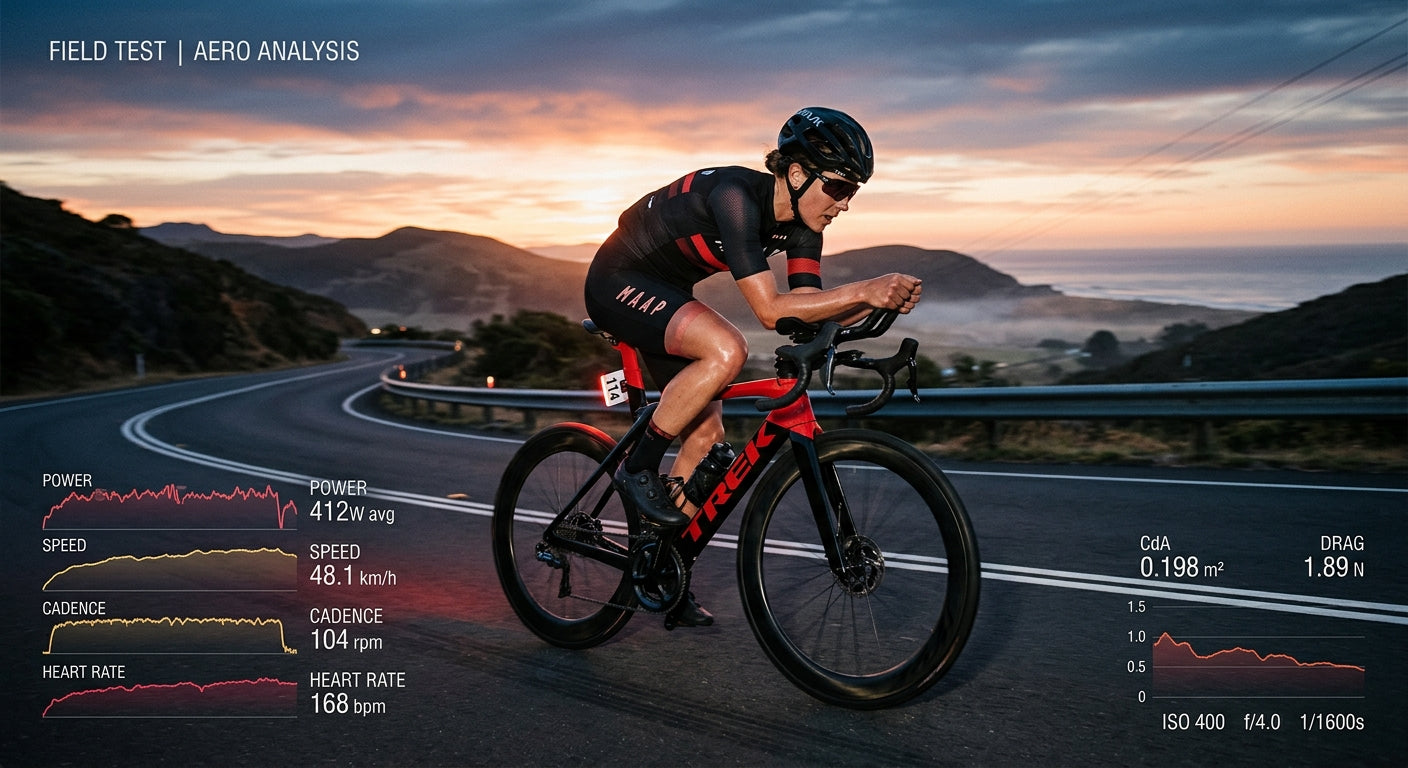
Equip your bicycle with a high-accuracy power meter and a speed sensor. Using software like GoldenCheetah, you can utilise the AeroLab module to calculate your CdA based on your power output and velocity. Ensure your tyre pressures are standardised and your drivetrain is clean to minimise mechanical losses, as these can skew your aerodynamic findings. By performing multiple runs in a static position, you can establish a baseline that allows you to measure the efficacy of subsequent adjustments.
Begin by making small, incremental changes to your cockpit. A lower handlebar height or a narrower arm position on your aerobars can dramatically reduce your frontal area. However, always prioritise functional comfort; a position that is theoretically aerodynamic but physically unsustainable will ultimately lead to a loss of power and fatigue that negates any speed gains.
Tips for Improving
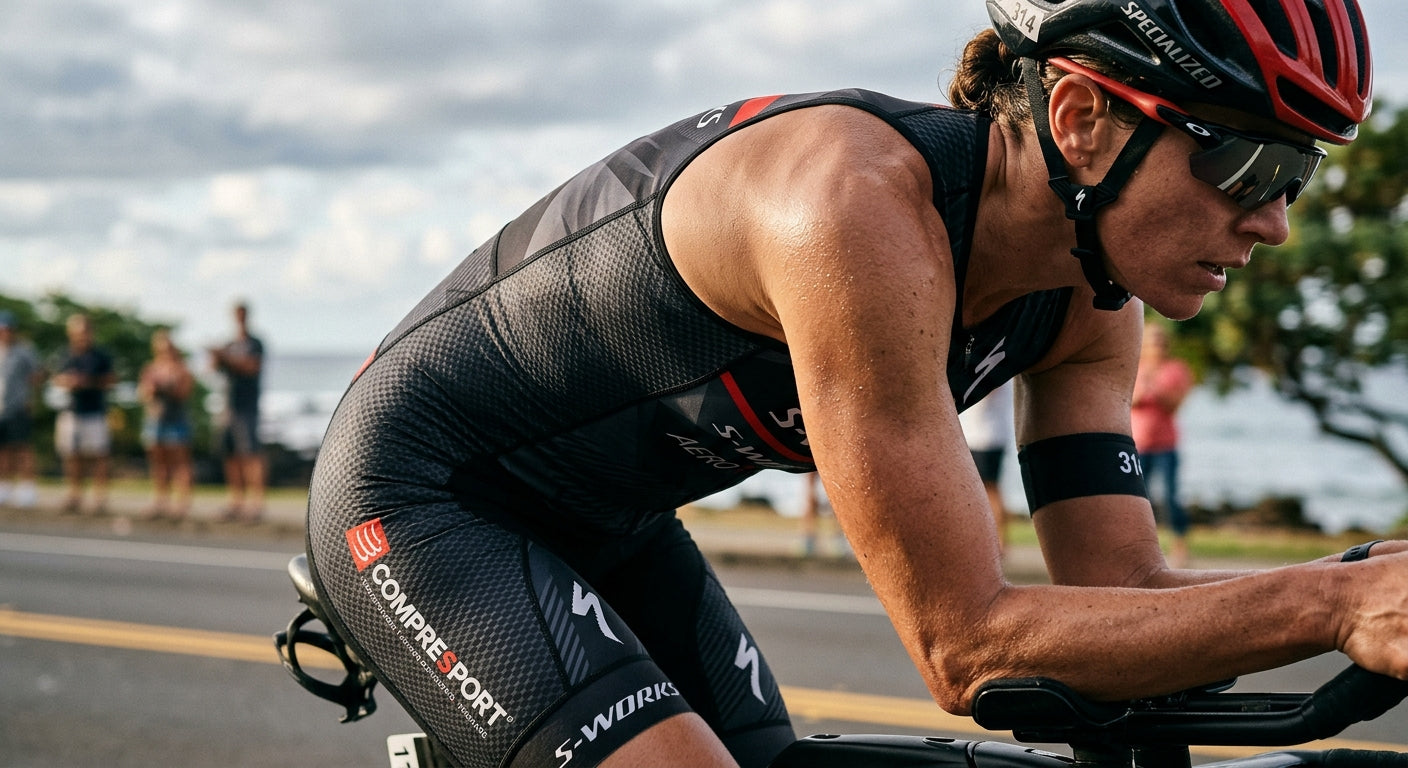
Once you have established your baseline, the focus shifts to equipment selection. The textile technology integrated into your kit plays a pivotal role in boundary layer management. Sundried aero cycling jerseys and skin suits are engineered with textured fabrics designed to trip the air, delaying flow separation and reducing the wake created behind your body. These marginal gains, when compounded, offer a measurable advantage in long-distance events.

Need a clear race fuelling strategy?
Get instant, practical advice on hydration and race-day nutrition directly on this page for free. Try asking Raye: 'How many grams of carbs should I take per hour during a half marathon?' Ask for fuelling advice
Consider the impact of your extremities. Aerodynamic socks provide a smooth surface over the irregular shape of the calf muscles, effectively streamlining the lower leg. When testing these, maintain a consistent pedalling cadence and focus on keeping your head position neutral. A 'turtle' head position—tucking your chin down and shoulders up—is a classic technique to hide your face from the wind, but it requires diligent practice to maintain without sacrificing vision or bike handling.
Regularity in testing is paramount. Every time you alter your saddle height or reach, re-verify your data. Use a video camera to record your profile from the side and front during your field tests. Analysing your footage alongside your power data will help you correlate specific body movements with changes in your CdA. This analytical approach transforms your training from guesswork into a rigorous engineering project.
Special Features & Technical Specifications
Material Composition
Modern aerodynamic apparel, such as the Sundried range, utilises advanced elastane-polyester blends. These fabrics are engineered for high-compression, which reduces muscle oscillation and creates a taut, wrinkle-free surface that minimises drag-inducing turbulence.
Physical Dimensions and Engineering
The design philosophy centres on a 'second-skin' fit. Unlike traditional club kits, these garments feature laser-cut sleeves and bonded seams to eliminate the leading-edge drag caused by bulky stitching. The transition from the fabric to the skin is smoothed through silicone-injected grippers, ensuring the apparel remains stationary even at high velocities.
Weight and Performance Metrics
These garments are designed to be ultra-lightweight, often weighing under 150 grams for a full skin suit. Compared to previous generations of cycling apparel, the current iterations prioritise moisture-wicking properties alongside aerodynamic performance, ensuring that sweat accumulation—which can add weight and disrupt airflow—is managed effectively during prolonged exertion.
Ultimately, the objective is to create a symbiotic relationship between the athlete and their equipment. By combining the data from your power meter with high-quality aerodynamic apparel, you can systematically dismantle the barriers to your personal best. It is a process of refinement, patience, and unwavering focus on the variables you can control.


