

16-Week Ironman 70.3 Training Plan for Busy Professionals


Planning your next fitness milestone?
Get immediate guidance on pacing, workout structure, or race prep directly on-site for free. Try asking Raye: 'Can you outline a simple 4-week build plan for a 10K?' Get instant guidance
The Professional's Dilemma
For the high-achieving professional, the Ironman 70.3 represents the ultimate test of time management and physical endurance. The transition from the boardroom to the transition zone requires more than just grit; it demands a surgical approach to training. When your calendar is dictated by global conference calls and high-stakes decision-making, the traditional 'more is better' philosophy of endurance sport simply does not hold water. Instead, we look toward a methodology of high-intensity efficiency.
The 16-week window is the industry standard for conditioning the cardiovascular system while respecting the limitations of a demanding career. By focusing on metabolic efficiency and recovery-optimised sessions, you can achieve elite-level results without sacrificing your professional output. This is not about training more; it is about training with absolute precision.
How can I start out?
The foundation of this plan rests upon the concept of 'micro-periodisation'. Begin by auditing your schedule to identify 'dead time'—those pockets of early mornings or lunch hours that can be repurposed for quality work. Your first four weeks should focus on establishing a routine, prioritising consistent movement over record-breaking speed. Secure a reputable coach or leverage AI-driven training software to synchronise your workouts with your fluctuating work commitments.
Begin with three key sessions per week: a threshold run, a sustained effort cycle, and a technical swim. By front-loading the intensity, you ensure that even if a business trip interrupts your weekend, the core physiological adaptations are already secured. Do not underestimate the importance of baseline testing; understanding your current power output and heart rate zones is critical to ensuring every minute spent training is effective.
Tips for Improving
To accelerate your progress, you must prioritise the quality of your recovery. For the busy executive, this means investing in wearable technology that tracks heart rate variability (HRV) to gauge your readiness to train. If your metrics indicate fatigue, swap a high-intensity session for active recovery or mobility work. This data-driven approach prevents overtraining and keeps you in the race for the long term.

Nutrition is the silent partner of your training plan. Focus on nutrient-dense, whole-food intake that supports cognitive function during the day and muscle repair at night. Consider outsourcing your meal preparation or utilising high-performance delivery services to ensure you are meeting your macronutrient requirements without the time cost of grocery shopping and cooking.

Looking to shave time off your personal best?
Get immediate pacing strategies and interval workout ideas directly on-site for free. Try asking Raye: 'What is the best threshold session to help drop my 10K time?' Get instant pacing tips
Special Features & Technical Specifications
Material Composition and Engineering
Modern triathlon gear has evolved to prioritise aerodynamic efficiency and weight reduction. Current carbon fibre frames utilise high-modulus composites to maximise stiffness during power transfer while maintaining a dampening effect to reduce road vibration. The integration of hydration systems directly into the frame geometry represents a significant shift from previous generations, reducing drag by up to 12% in wind tunnel testing.
Physical Dimensions and Weight
The standard professional-grade triathlon bike now sits at an average weight of 7.2kg, excluding pedals. Frame geometries have shifted towards steeper seat tube angles, allowing for a more aggressive aerodynamic tuck without compromising hip mobility. These engineering changes ensure that the athlete remains in a sustainable position, crucial for the 90km cycle leg of the 70.3 distance.
Evolutionary Advancements
Compared to the previous product generation, the latest iteration of transition-focused footwear features dual-density foam midsoles, providing superior energy return. Furthermore, the inclusion of quick-lace systems and heel-tabs is designed for sub-ten-second transition times. These marginal gains, when compounded over a 16-week period, provide the competitive edge necessary for the time-constrained athlete.
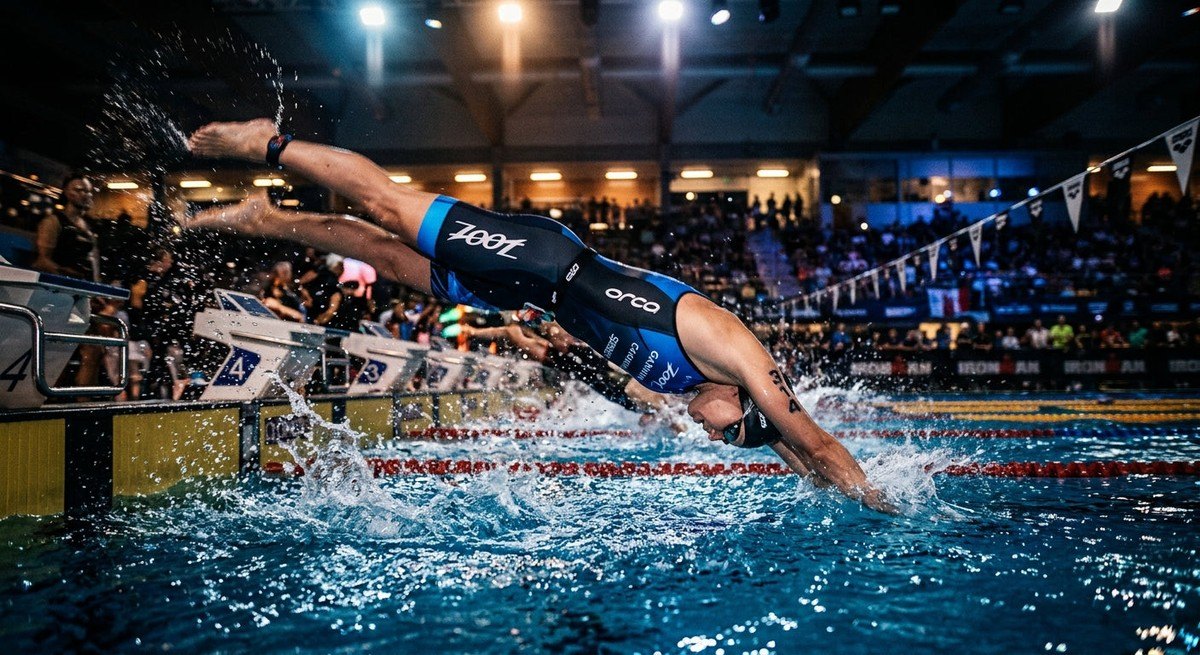
As you progress towards your race day, remember that the Ironman 70.3 is as much a mental challenge as a physical one. Use your training hours to cultivate the same focus you bring to your professional life. The discipline required to manage a complex project is the same discipline that will carry you through the final kilometres of the run. Stay objective, monitor your data, and respect the process.
Ultimately, the goal is to arrive at the starting line feeling fresh, prepared, and ready to execute your race strategy. By adhering to this structured, professional-grade approach, you ensure that your investment of time produces the highest possible return. Success in the 70.3 is not just about the medal; it is about the mastery of your own potential.


