

The Evolution of Cycling Drink Mixes: High-Carb Solutions in 2026


Want to build strength to support your running?
Get targeted strength routines and mobility exercises designed specifically for runners directly on-site. Try asking Raye: 'What are 3 key gym exercises to improve running economy?' Get strength tips
The landscape of professional cycling nutrition has undergone a seismic shift as we move deeper into 2026. For decades, the industry standard for carbohydrate intake during endurance efforts hovered around 60 grams per hour. Today, the frontier has moved significantly further, with elite competitors now routinely pushing beyond 100 grams of carbohydrates per hour. This evolution is not merely a trend; it is a physiological recalibration enabled by advanced hydrogel technology and dual-source carbohydrate matrices.
At the centre of this shift is the understanding of intestinal glucose transport. Traditional formulations often caused gastrointestinal distress when athletes attempted to exceed the 60g threshold. The breakthrough lies in the strategic combination of maltodextrin and fructose in specific ratios, typically 1:0.8 or 1:1. By utilising both SGLT1 and GLUT5 transporters in the gut, these modern drink mixes allow for rapid absorption without the typical bloating or cramping associated with older, sucrose-heavy products.
The chemical structure of these high-carb solutions has also been refined to lower the osmolality of the drink. By managing the concentration of particles in the solution, athletes can ensure that the mixture empties from the stomach into the small intestine with greater velocity. This is crucial for cyclists who need to maintain peak power output during high-intensity climbs or prolonged breakaway efforts.
How much improvement can I expect?
Performance gains from adopting a high-carb strategy are measurable and significant. Research indicates that increasing carbohydrate availability during prolonged exercise can delay the onset of glycogen depletion, effectively extending the athlete's time to exhaustion. For a competitive cyclist, this might manifest as the ability to hold a higher threshold power during the final hour of a four-hour event, where fatigue would typically dictate a reduction in output.
While individual tolerance varies, data suggests that athletes who successfully transition to a 100g+ per hour intake can see improvements in sustained power output by 3-5% during the latter stages of a race. This might seem marginal to the casual observer, but in the context of a race decided by seconds, this is the difference between a podium finish and the main pack.
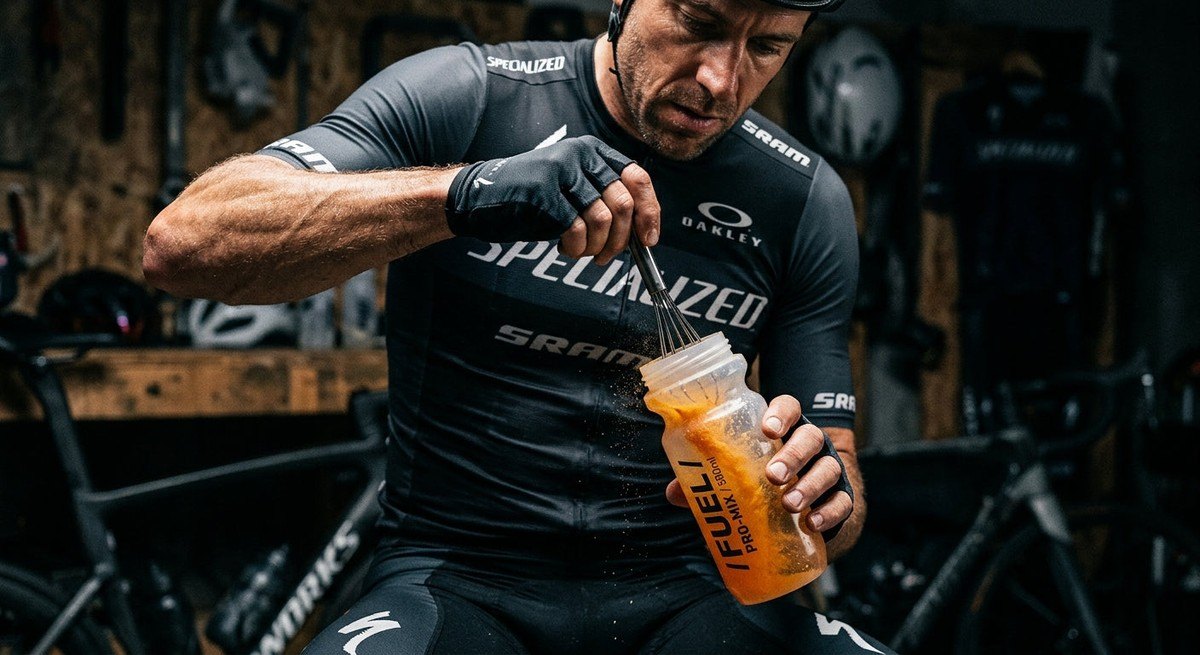
It is important to note that the gut is a trainable organ. Improving your capacity to handle these high-carb loads requires a period of adaptation. Athletes should not attempt a 100g/hour strategy for the first time on race day. Instead, it must be integrated into training rides to monitor gastric comfort and refine the specific flavour and texture profile that best suits the individual's palate.

Have a specific performance goal in mind?
Get direct feedback on your training targets right here on the page—no sign-up or account required. Try asking Raye: 'How should I adjust my weekly mileage for a sub-20 minute 5K?' Ask about your goals
Top 5 Core Features
- Dual-Source Carbohydrate Matrices: Utilising maltodextrin and fructose to maximise absorption capacity through multiple intestinal pathways.
- Optimised Osmolality: Engineered to ensure rapid gastric emptying, reducing the risk of gastrointestinal distress at high concentrations.
- Electrolyte Balancing: Precision-calibrated sodium levels to facilitate efficient water uptake and replace losses from heavy perspiration.
- Hydrogel Encapsulation: Advanced structural properties that protect the stomach lining while allowing for quick energy delivery.
- Neutral pH Formulation: Designed to maintain stability in the bottle and minimise flavour fatigue during long-duration efforts.
Other Benefits
Beyond the immediate performance metrics, high-carb drink mixes offer a significant advantage in recovery. By maintaining higher blood glucose levels throughout the duration of a ride, the body is less reliant on the catabolism of muscle tissue for fuel. This leads to reduced post-ride inflammation and a more favourable environment for glycogen synthesis immediately after the session concludes.
Furthermore, the cognitive benefits of sustained glucose availability cannot be overstated. Mental fatigue is often the precursor to physical failure in endurance sports. By ensuring the brain has a consistent supply of glucose, cyclists maintain better focus, decision-making capabilities, and tactical awareness, which are vital in the closing kilometres of a race.
When identifying high-quality formulations, look for transparency in the ingredient list. The most effective products will clearly state the carbohydrate ratio and the source of the glucose and fructose. Avoid products that rely heavily on artificial sweeteners or unnecessary additives, as these can complicate digestion during periods of high physiological stress.
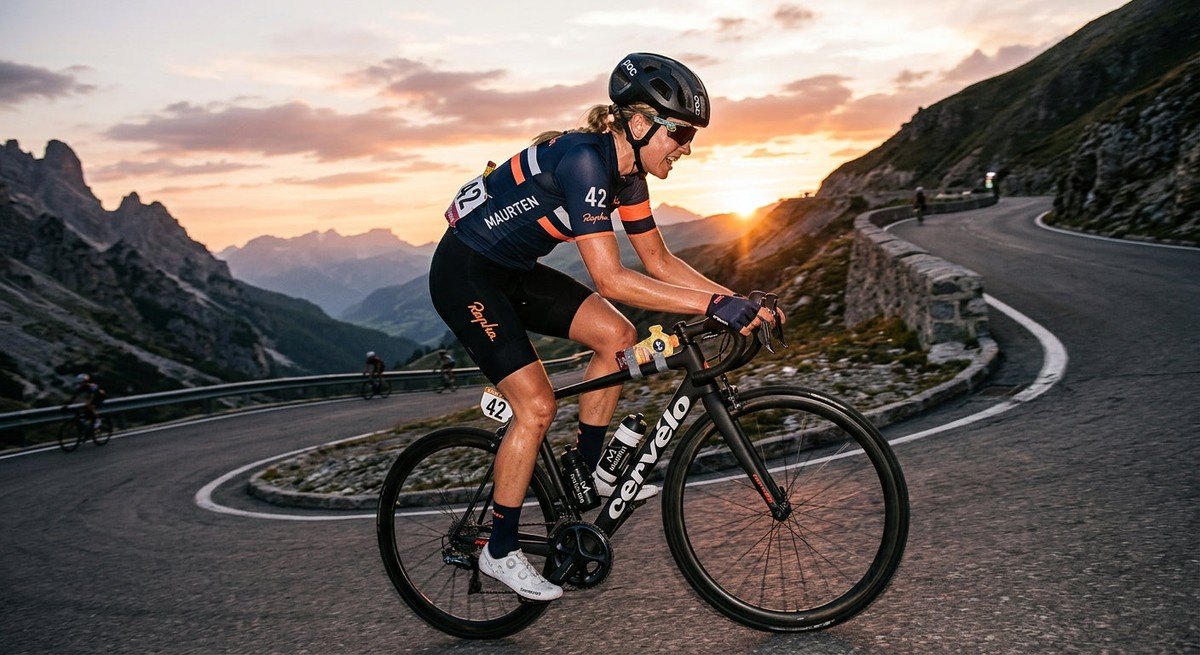
The evolution of these mixes has also led to a greater focus on flavour neutrality. As the concentration of carbohydrates increases, the risk of 'flavour fatigue' rises. The leading brands in 2026 have prioritised subtle, clean profiles that remain palatable even when the internal temperature of the bottle rises during a summer race.
Ultimately, the move toward higher carbohydrate intake is about efficiency. It allows the cyclist to fuel the engine more effectively, ensuring that the primary limiting factor becomes physical capability rather than nutritional deficiency. As we look ahead, the integration of these high-carb solutions will likely become standard practice across all levels of the sport.
For those looking to optimise their setup, the goal should be to find a balance between high energy density and digestive comfort. Experiment with different concentrations during your zone 2 training rides to find your personal ceiling. Once identified, this nutritional strategy will become one of the most potent tools in your competitive arsenal.


