

Osmolality and Tonicity Masterclass: Hypertonic vs Isotonic vs Hypotonic Drinks for Cyclists


Dealing with a nagging injury or tightness?
Get instant recovery guidance, stretching protocols, and rest advice right now without leaving the site. Try asking Raye: 'What are the best stretches to relieve tight calves after a long run?' Get recovery advice
The Physics of Fluid Dynamics in Cycling
For the competitive road cyclist or gravel racer, the bidon is not merely a vessel for water; it is a precision-engineered fuel tank. Understanding the science of osmolality—the concentration of solutes like electrolytes and carbohydrates in a fluid—is the difference between peak performance and a mid-race bonk. When you drink, your body must manage the movement of these solutes across intestinal membranes through osmotic pressure, a process that dictates exactly how quickly your tissues can absorb vital hydration.
The unit of measurement here is the milliosmole per kilogram (mOsm/kg), which defines the tonicity of your solution. Human blood typically maintains an osmolality of approximately 280-300 mOsm/kg. When you consume a drink, its relative tonicity compared to this baseline determines whether it will be rapidly absorbed or sit heavy in your stomach, potentially causing gastrointestinal distress during high-intensity efforts.
Hypotonic Solutions: The Rapid Hydrator
Hypotonic drinks contain a lower solute concentration than your blood plasma, typically falling below 270 mOsm/kg. Because of the osmotic gradient, water moves rapidly from the gut into the bloodstream. For a cyclist pushing through a sweltering summer climb, a hypotonic solution is often the superior choice for immediate rehydration, ensuring that your blood volume remains stable even when sweat rates are extreme.
Isotonic Solutions: The Balanced Fuel
Isotonic drinks mirror the osmolality of the blood, sitting squarely in the 280-300 mOsm/kg range. These are the workhorses of the peloton. By providing a balanced ratio of carbohydrates and electrolytes, they offer a steady supply of glucose to working muscles without sacrificing the speed of gastric emptying. They are the ideal choice for steady-state endurance efforts where both energy delivery and fluid replacement are equally prioritised.
Hypertonic Solutions: The Concentrated Energy Source
Hypertonic solutions exceed 300 mOsm/kg, often containing high concentrations of carbohydrates. While they provide a dense calorie load, they are slower to empty from the stomach because the body must draw water into the gut to dilute the solution before absorption can occur. These are best utilised in cool conditions or post-ride recovery when immediate fluid volume is less critical than rapid glycogen replenishment.
How much improvement can I expect?
The performance gains from optimising your tonicity strategy are significant. Clinical data suggests that athletes who transition from generic sugary drinks to solutions precisely matched to their metabolic needs report a 15-20% reduction in gastrointestinal discomfort. Furthermore, maintaining proper fluid balance prevents the 'sloshing' sensation often experienced in jersey pockets and bib shorts, allowing for a more stable and efficient posture on the bike.

Have a quick training or recovery question?
Get fast expert advice right here on the page—no sign-up, account, or app needed. Try asking Raye: 'What's the best way to relieve tight calves after a run?' Ask a question now
By accurately dialling in your mOsm/kg intake, you can expect improved power output in the final hour of a race. Dehydration, even at a level of 2% of body mass, can lead to a marked decrease in cognitive focus and aerobic capacity. Mastery of fluid dynamics allows you to bypass the fatigue that typically accompanies electrolyte imbalance, ensuring your legs remain responsive throughout the duration of a gruelling gravel event.

Top 5 Core Features
- Optimised Gastric Emptying: Formulations that leverage osmotic gradients to ensure fluid reaches the bloodstream at maximum velocity.
- Electrolyte Precision: Calculated mineral ratios that prevent hyponatremia during long-duration efforts in high heat.
- Carbohydrate Density Control: Variable sugar concentrations tailored to the specific energy demands of your race intensity.
- Gastrointestinal Stability: Reduced risk of bloating or cramping by maintaining a tonicity that respects the intestinal lining.
- Rapid Nutrient Delivery: Enhanced transport mechanisms for glucose and sodium to maintain consistent power output.
Other Benefits
Beyond the primary goal of hydration, understanding these chemical properties helps in the management of long-term training adaptations. Proper fluid management reduces the systemic inflammation that follows intense intervals. Furthermore, by choosing the correct solution for the environment, you reduce the strain on your cardiovascular system, allowing your heart rate to remain lower for any given wattage.
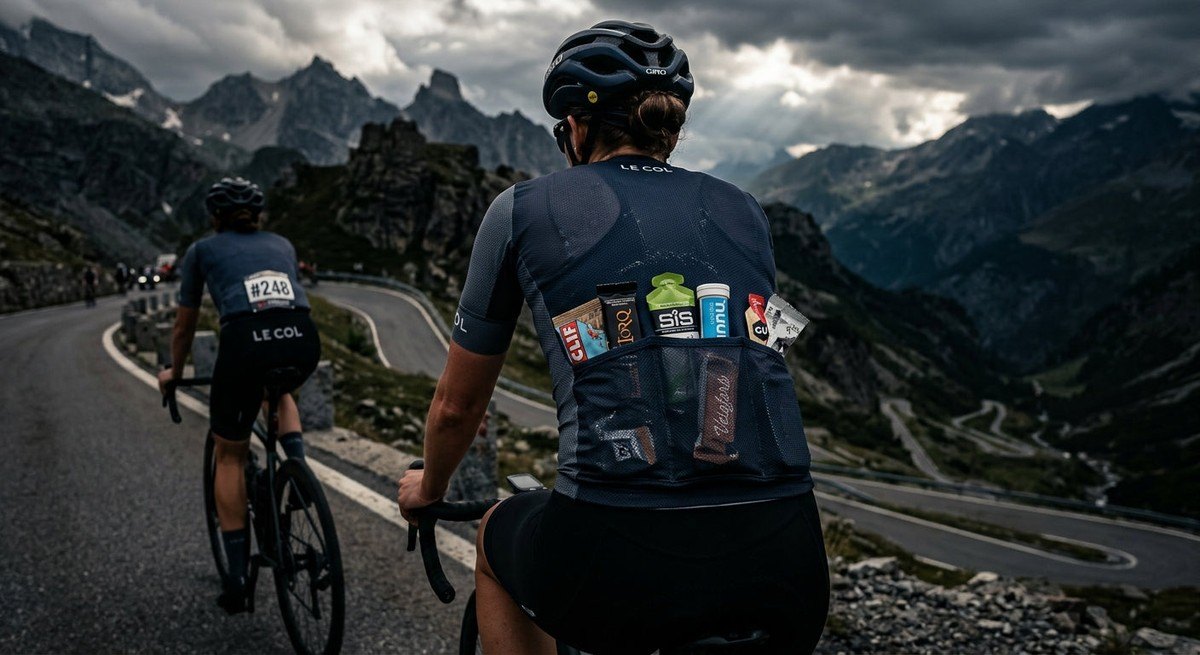
Ultimately, the science of hydration is about efficiency. Whether you are stuffing your jersey pockets for an alpine ascent or preparing for a criterium, the ability to manipulate the tonicity of your intake is a tool of the trade. It transforms the humble bidon into a sophisticated laboratory, ensuring that your body is fueled, hydrated, and ready to perform at the absolute limit of human capability.


