

Sweat Testing for Triathletes: Customising Your Sodium Intake


Need performance advice right now?
Ask our on-site coach anything about your routines. It's completely free and available immediately right here: 'What are 3 quick exercises for ankle mobility?' Ask Raye for free
The Science of Individualised Hydration
For the dedicated triathlete, the pursuit of marginal gains often leads to an obsession with aerobic capacity and power output. However, one of the most critical physiological variables—sodium loss—is frequently managed through guesswork rather than data. As you push your body through the gruelling swim, bike, and run legs, your sweat glands work tirelessly to thermoregulate, yet they do so at a cost: the loss of essential electrolytes. Understanding your unique sweat composition is no longer a luxury; it is a fundamental requirement for elite performance.
Sweat is not merely water; it is a complex biological solution containing sodium, potassium, calcium, and magnesium. While the average sweat sodium concentration is often cited in textbooks, the reality is that individual variation is vast. Some athletes are 'salty sweaters,' losing upwards of 2,000mg of sodium per litre of sweat, while others lose a fraction of that amount. This variance means that a one-size-fits-all approach to electrolyte replacement is mathematically destined to fail during long-course racing.
How much improvement can I expect?
The performance gains from precision hydration are often underestimated. By aligning your sodium intake with your specific loss rate, you can expect a significant reduction in the incidence of exercise-associated muscle cramps, which are frequently linked to sodium depletion and fluid imbalance. When your internal environment remains stable, your heart rate variability often improves, and your perceived exertion at sub-maximal intensities tends to drop.
Clinical data suggests that athletes who tailor their sodium intake can maintain higher power outputs during the latter stages of a race. Without adequate sodium, the body struggles to maintain blood volume, forcing the cardiovascular system to work harder to deliver oxygen to working muscles. By mitigating this 'cardiac drift,' you protect your aerobic efficiency and ensure that your training adaptations are not compromised by preventable fatigue.
Other Benefits
Beyond the immediate performance metrics, accurate sweat testing serves as a protective mechanism against severe medical complications. Hyponatraemia—a condition characterised by dangerously low blood sodium levels—is a genuine risk for endurance athletes who over-consume plain water without replacing lost electrolytes. By understanding your specific needs, you eliminate the risk of diluting your blood plasma, ensuring that your neurological and muscular functions remain optimal throughout the entire event.
Furthermore, precision hydration supports faster recovery post-race. When you finish a triathlon in a state of severe electrolyte deficit, your body must divert resources to rebalancing your internal chemistry before it can effectively initiate muscle protein synthesis. By proactively managing your sodium levels during the race, you arrive at the finish line in a state of homeostasis, accelerating your return to training readiness.

Need a clear race fuelling strategy?
Get instant, practical advice on hydration and race-day nutrition directly on this page for free. Try asking Raye: 'How many grams of carbs should I take per hour during a half marathon?' Ask for fuelling advice
Top 5 Core Features
- Data-Driven Precision: Eliminate the guesswork with clinical-grade sweat analysis.
- Cardiac Drift Mitigation: Maintain consistent power output by preserving blood plasma volume.
- Cramp Prevention: Address the root cause of electrolyte-induced muscle dysfunction.
- Safety Optimisation: Significantly reduce the risk of exercise-associated hyponatraemia.
- Recovery Acceleration: Facilitate faster physiological repair by maintaining homeostasis during exertion.
To identify high-quality formulations, prioritise products that offer clear, milligram-specific labelling. Avoid 'proprietary blends' that obscure the actual concentration of sodium. Look for manufacturers that provide a range of concentrations, allowing you to scale your intake based on your sweat test results. A high-quality electrolyte supplement should be easily dissolvable and compatible with your chosen carbohydrate source to ensure optimal gastric emptying.
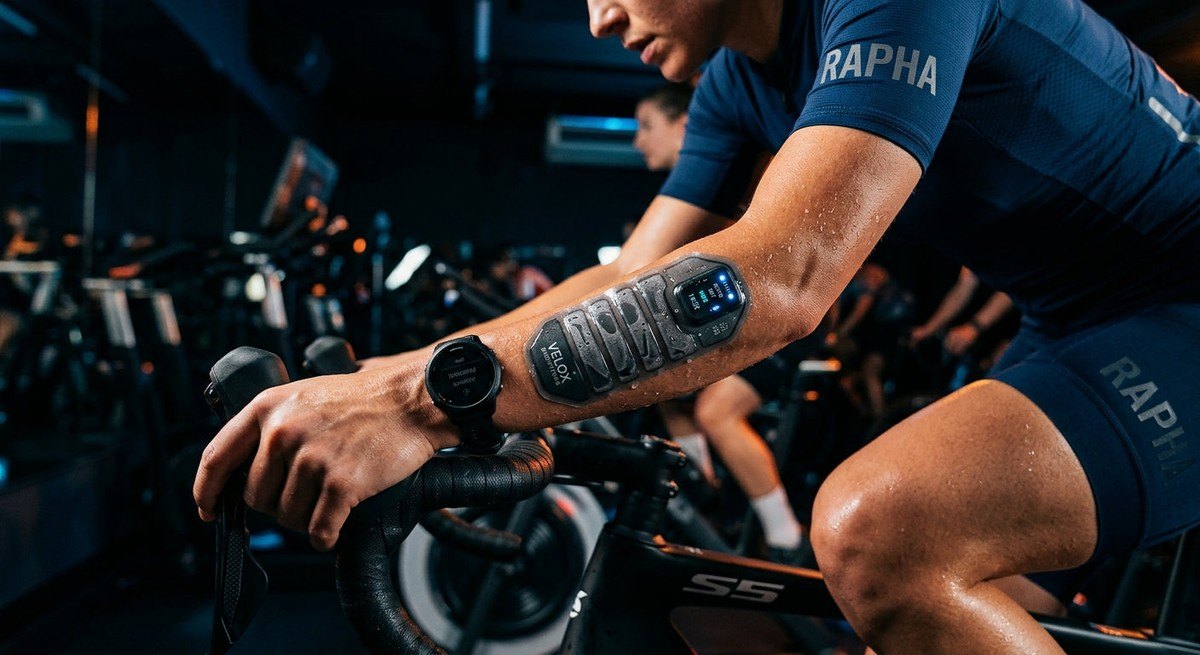
The process of testing is straightforward, typically involving a patch-based collection system during a controlled training session. The collected sample is then analysed via ion chromatography or similar laboratory methods to determine your precise sodium concentration. Once you have this data, you can work with a sports nutritionist to develop a race-day strategy that dictates exactly how many milligrams of sodium you require per hour, adjusted for ambient temperature and relative humidity.
In the high-stakes world of triathlon, neglecting your hydration strategy is equivalent to ignoring your bike maintenance. It is a critical failure point that can be easily avoided through scientific rigour. By investing in sweat testing, you are not just buying a data point; you are investing in the longevity of your performance and the safety of your body under load.
As you approach your next season, consider your hydration as an extension of your biomechanical efficiency. When you master your sodium requirements, you move closer to the absolute ceiling of your physiological potential. The data is available; the only remaining step is to use it to fuel your success on the course.


