

High-Altitude Endurance Nutrition: Mitigating Hypoxia-Induced Appetite Suppression and Glycogen Depletion


Need performance advice right now?
Ask our on-site coach anything about your routines. It's completely free and available immediately right here: 'What are 3 quick exercises for ankle mobility?' Ask Raye for free
The Physiological Challenge of Altitude
For mountain ultra-runners and alpine cyclists, the ascent to high altitude is not merely a test of willpower; it is a profound physiological challenge. As barometric pressure drops, the partial pressure of inspired oxygen decreases, triggering systemic hypoxia. This environmental stressor fundamentally alters metabolic pathways, creating a complex interplay between energy availability and internal demand. Understanding these shifts is the key to maintaining peak performance when the air grows thin.
At the core of this challenge is the body's acute response to oxygen deficiency. Hypoxia induces a significant increase in the basal metabolic rate as the body prioritises cardiac and respiratory work. This elevated baseline, combined with the extreme energy cost of traversing vertical terrain, creates a severe caloric deficit that many athletes struggle to overcome due to a paradoxical loss of appetite.
The Hormonal Shift: Leptin and Ghrelin
Research indicates that exposure to high-altitude environments alters the secretion of key appetite-regulating hormones. Studies show a marked increase in circulating leptin levels, the hormone responsible for satiety, while the hunger-stimulating hormone ghrelin is often suppressed. This creates a physiological barrier to adequate fuelling, making it difficult for athletes to consume the necessary carbohydrates to support intense physical output.
Furthermore, the body shifts its substrate preference towards a greater reliance on glucose. In a hypoxic state, the efficiency of fat oxidation diminishes, forcing the body to burn through glycogen stores at an accelerated rate. This phenomenon, known as the 'hypoxic metabolic shift', necessitates a proactive approach to nutrition that prioritises high-glycaemic index carbohydrates to prevent premature fatigue.
How much improvement can I expect?
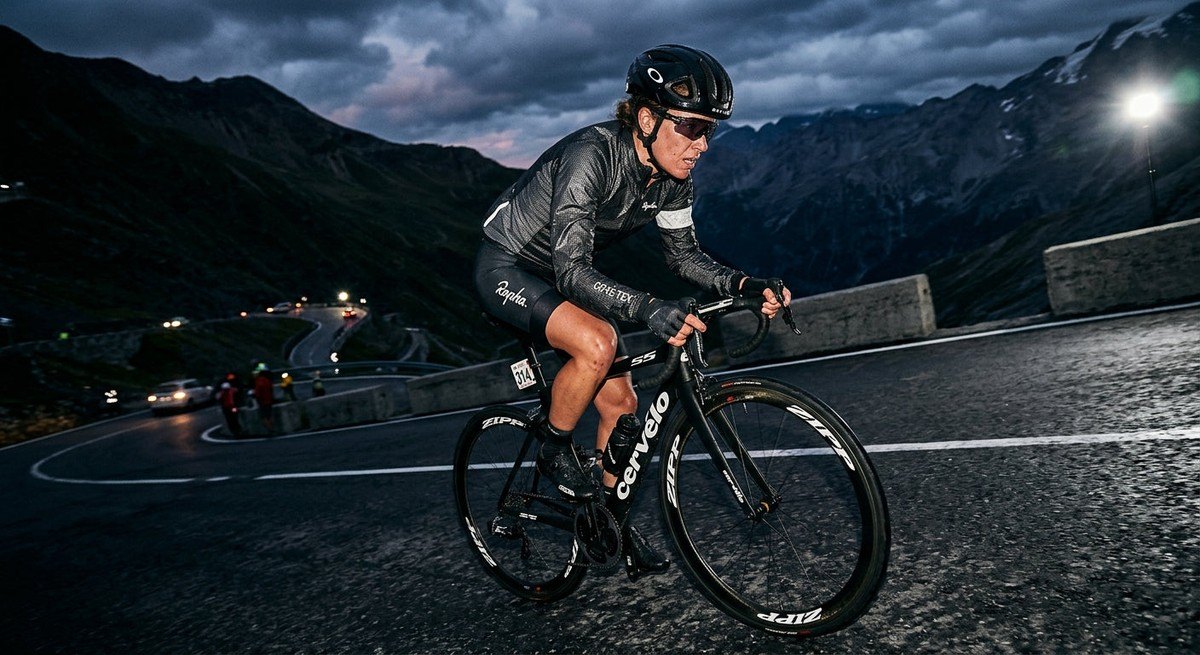
By implementing a targeted nutrition strategy that bypasses the appetite suppression mechanism, athletes can expect a significant reduction in 'bonking' or glycogen depletion episodes. While altitude inevitably lowers the ceiling for absolute aerobic power, precise fuelling can mitigate a 10-15% performance decline often seen in under-fuelled athletes. Consistency in glucose delivery ensures that the brain and muscles remain adequately supported despite the systemic stress of the environment.
Top 5 Core Features
- Strategic Carbohydrate Loading: Prioritising rapid-absorption glucose sources to counteract the accelerated depletion caused by hypoxia.
- Hormonal Bypass Techniques: Utilising liquid nutrition and nutrient-dense gels to circumvent the appetite suppression mediated by elevated leptin.
- Thermal Regulation Integration: Combining nutritional protocols with high-performance thermal baselayers to reduce the metabolic cost of thermoregulation.
- Electrolyte Homeostasis: Maintaining fluid balance to support blood plasma volume, which is often compromised in dry, thin alpine air.
- Wind-Resistant Gear Strategy: Using advanced windbreakers to prevent convective heat loss, allowing the body to redirect energy from warming to muscular performance.
Other Benefits
Beyond immediate performance metrics, proper nutritional management at altitude provides long-term health advantages. By maintaining stable blood glucose levels, athletes reduce the risk of acute mountain sickness and improve recovery times between high-intensity sessions. Furthermore, the use of moisture-wicking, thermal-regulating apparel prevents the 'chill-sweat' cycle, ensuring the body remains in a state of homeostasis where it can effectively utilise the nutrients provided.

Need a clear race fuelling strategy?
Get instant, practical advice on hydration and race-day nutrition directly on this page for free. Try asking Raye: 'How many grams of carbs should I take per hour during a half marathon?' Ask for fuelling advice
The integration of high-quality gear—specifically wind-resistant shells and base layers designed for extreme environments—plays a critical role in this ecosystem. When the body is protected from external thermal stress, it spends less energy on shivering or maintaining core temperature, leaving more metabolic 'budget' for the working muscles.
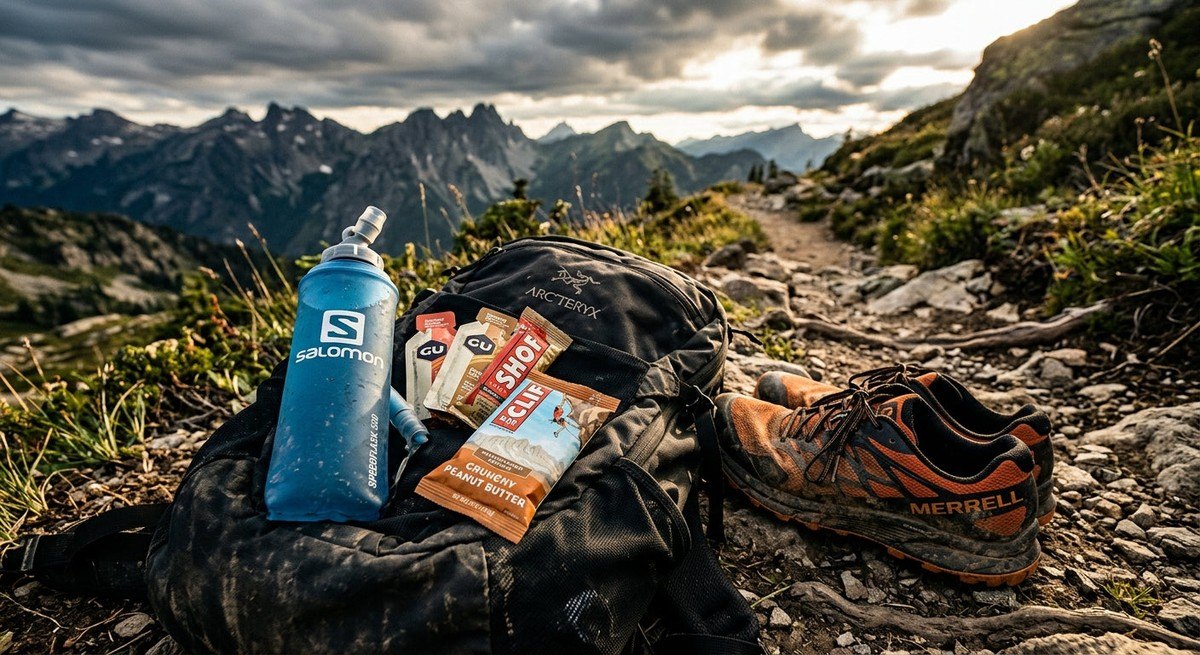
To identify high-quality nutrition, look for formulations that offer a balanced electrolyte profile and a mix of maltodextrin and fructose. These ingredients allow for faster gastric emptying, which is essential when the gut is under the stress of high-altitude hypoxia. Avoid products with excessive fibre or fat, which may exacerbate gastrointestinal distress in thin air.
Ultimately, the successful alpine athlete is one who treats nutrition as a technical discipline rather than an afterthought. By managing the hormonal and metabolic consequences of altitude through precise fuelling and environmental protection, you can push the boundaries of what is possible in the mountains. Prioritise gear that facilitates this focus, ensuring that your equipment supports your physiology rather than hindering it.


