

Intermittent Fasting and Triathlon: Does it Sabotage Performance?


Trying to beat your local Strava segment goals?
Fine-tune your training strategies to hit your target stats without downloading another app. Try asking Raye: 'How can I structure hill repeats to build short-segment power?' Ask how to hit your target
The Metabolic Conundrum
For the modern triathlete, the quest for metabolic efficiency often leads to the exploration of intermittent fasting (IF). The premise is compelling: by restricting the eating window, athletes aim to shift their bodies into a state of fat adaptation, theoretically sparing precious glycogen stores for the latter stages of a race. Yet, in the high-octane world of endurance sports, this dietary strategy presents a complex paradox. Does fasting lead to superior endurance, or is it merely an invitation to metabolic sabotage?
To understand the physiological impact, we must first examine the mechanism of action. When an athlete fasts, insulin levels plummet, and the body begins to mobilise free fatty acids from adipose tissue. For an Ironman-distance competitor, this could theoretically provide a bottomless reservoir of energy. However, the intensity required for swimming, cycling, and running at a competitive pace necessitates rapid glucose oxidation, which can be blunted if the body is not adequately primed.
The central concern for coaches and sports scientists is the availability of glycogen. High-intensity training sessions require significant carbohydrate availability to maintain anaerobic threshold and power output. When an athlete adheres to a strict fasting protocol, they run the risk of training in a state of glycogen depletion, which can lead to increased cortisol secretion and, ultimately, muscle catabolism.
How much improvement can I expect?
The efficacy of IF in a triathlon context is highly individualised. Research suggests that while fat oxidation rates can increase through fasted training, the performance gains are not universal. Some athletes report enhanced mental clarity and a stabilisation of hunger hormones, which can prevent the notorious 'bonking' associated with blood sugar crashes. However, clinical testing indicates that for high-intensity interval sessions, performance often suffers when fasting is strictly applied.
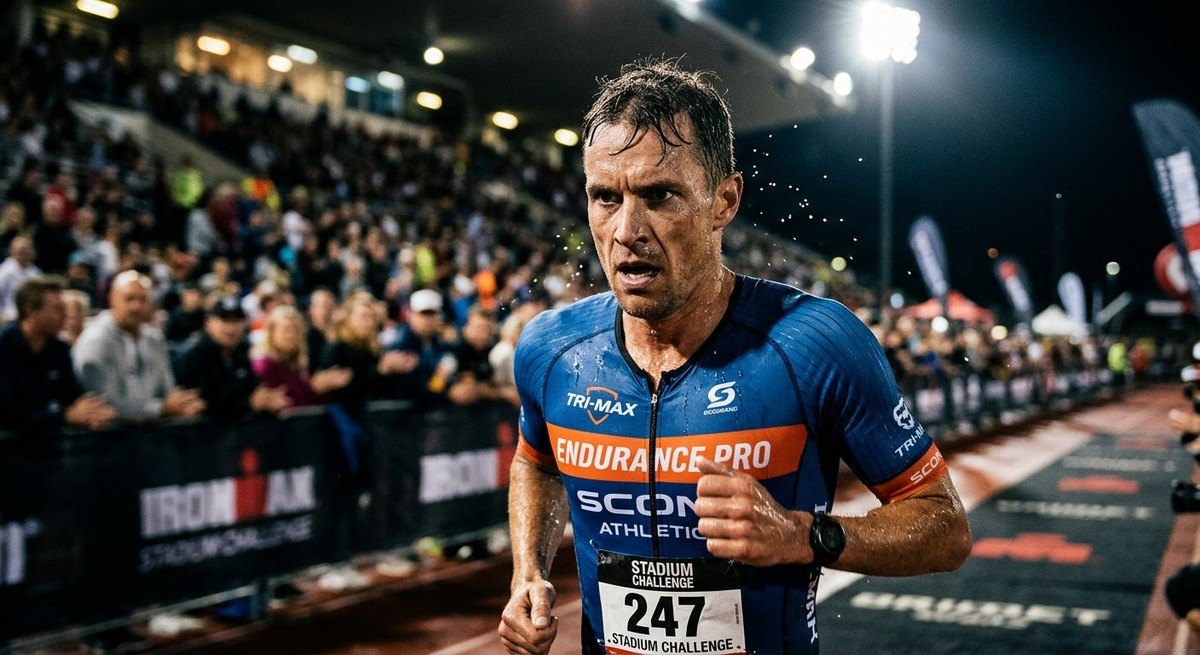
If your primary goal is to shed body fat while maintaining base-level endurance, you may observe a modest improvement in body composition over a twelve-week block. However, if your focus is on increasing your threshold power or sprint speed, the results are often negligible or even detrimental. The nuance lies in the timing; those who integrate fasting on recovery days often see better results than those who attempt to fast before a brick workout.
Top 5 Core Features
- Metabolic Flexibility: Enhancing the body's ability to switch between fuel sources efficiently.
- Insulin Sensitivity: Improving long-term glucose management through controlled feeding windows.
- Adipose Mobilisation: Increasing the rate of fatty acid oxidation during sub-maximal efforts.
- Hormonal Regulation: Potentially stabilising ghrelin and leptin to reduce binge-eating tendencies.
- Glycogen Sparring: Preserving internal glucose stores by utilising fat as the primary fuel for low-intensity aerobic sessions.
Other Benefits
Beyond the immediate performance metrics, intermittent fasting offers unique advantages for the busy triathlete. Many athletes find that simplifying their daily nutritional schedule reduces the cognitive load associated with meal preparation. By concentrating calories into a specific window, you can ensure that your meals are more nutrient-dense, allowing for better micronutrient absorption and potentially reducing systemic inflammation.

Hit a wall with form, pacing, or fatigue?
Skip searching forums. Chat directly on this page with our performance coach to solve training issues in seconds: 'How do I prevent side stitches on long runs?' Troubleshoot your run
Furthermore, some evidence suggests that prolonged fasting periods can stimulate autophagy—the body’s cellular cleaning process. For an athlete who subjects their body to high volumes of physical stress, this recovery mechanism could be vital for long-term health and cellular repair. It is essential, however, to ensure that once the feeding window opens, the quality of nutrition—specifically protein intake—remains high to support muscle protein synthesis.
Navigating the Nutritional Landscape
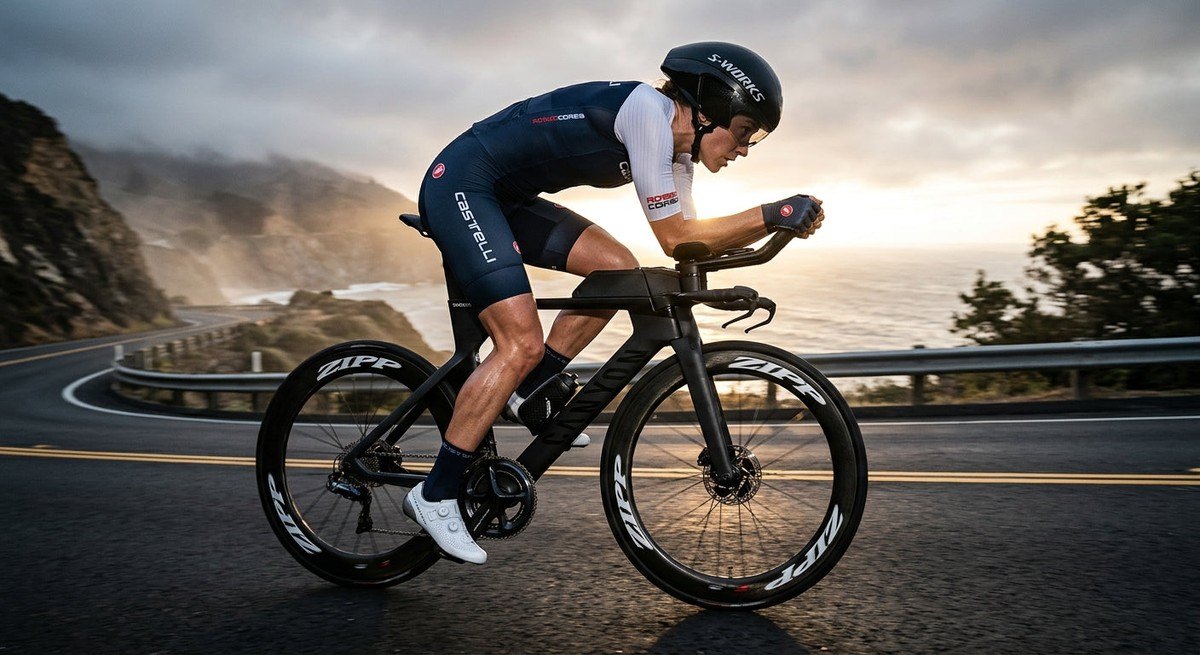
To successfully implement IF without sabotaging your training, you must prioritise periodisation. Do not treat your diet as a static rulebook. Instead, align your fasting protocol with your training cycle. During peak volume weeks or heavy race-specific training, it is often wise to abandon strict fasting in favour of consistent carbohydrate availability to ensure optimal recovery and adaptation.
The key to success is monitoring. If you notice a decline in your heart rate variability (HRV), persistent fatigue, or a plateau in your power numbers, it is a clear signal that your body requires more frequent fuelling. Listen to the physiological feedback, not just the clock. The goal is to remain a high-performing athlete, not a prisoner of a dietary trend.
Ultimately, the synthesis of intermittent fasting and triathlon requires a strategic approach. It is not a one-size-fits-all solution, but a tool in your kit that, when used with precision, can help you find that extra edge in your race-day performance.


