

Sandbag Lunge Ergonomics: Weight Placement, Core Stability, and Quad Burnout Prevention


Want to build strength to support your running?
Get targeted strength routines and mobility exercises designed specifically for runners directly on-site. Try asking Raye: 'What are 3 key gym exercises to improve running economy?' Get strength tips
Please note that this routine is a general guide and you should consult a doctor before starting new workouts.
Step by Step Starting Out
Firstly, of course, you have the upper back factor. When you are lifting a heavy sandbag into place, the last thing you want to do is let the weight sag low on your spine to cause pain. A high and tight hold means you get your posture dialled in so that it not only keeps your chest up, but protects your lower back during the run. That is a stance that makes the heavy work feel much better.
Secondly, naturally, there is the step length factor. When you are taking long strides across the floor, the last thing you want to do is overreach your front foot to strain your joints for a long time. A short and controlled step means you keep your base dialled in so that it not only drives power from the hip, but saves your legs for the race. That is a gait that is safer than anything else out there.
Thirdly, as well, you have the knee tracking factor. When you are bending down into a deep lunge, the last thing you want to do is let your front knee cave in to ruin your form under load. Pressing the knee out straight means you keep your joints spec'd out so that it not only builds strong leg strength, but stops early joint pain from setting in. That is an alignment that is better than anything else we know.
How to Build this into my life
Fourthly, to be sure, you have the consistency factor. When you are adding heavy lunges to your week, the last thing you want to do is rush the process to burn out your body before race day comes. A steady and mapped plan means you have a turnkey schedule that not only spaces out your hard days, but gives your legs time to heal up very well. That is a routine that builds true strength over a long time.
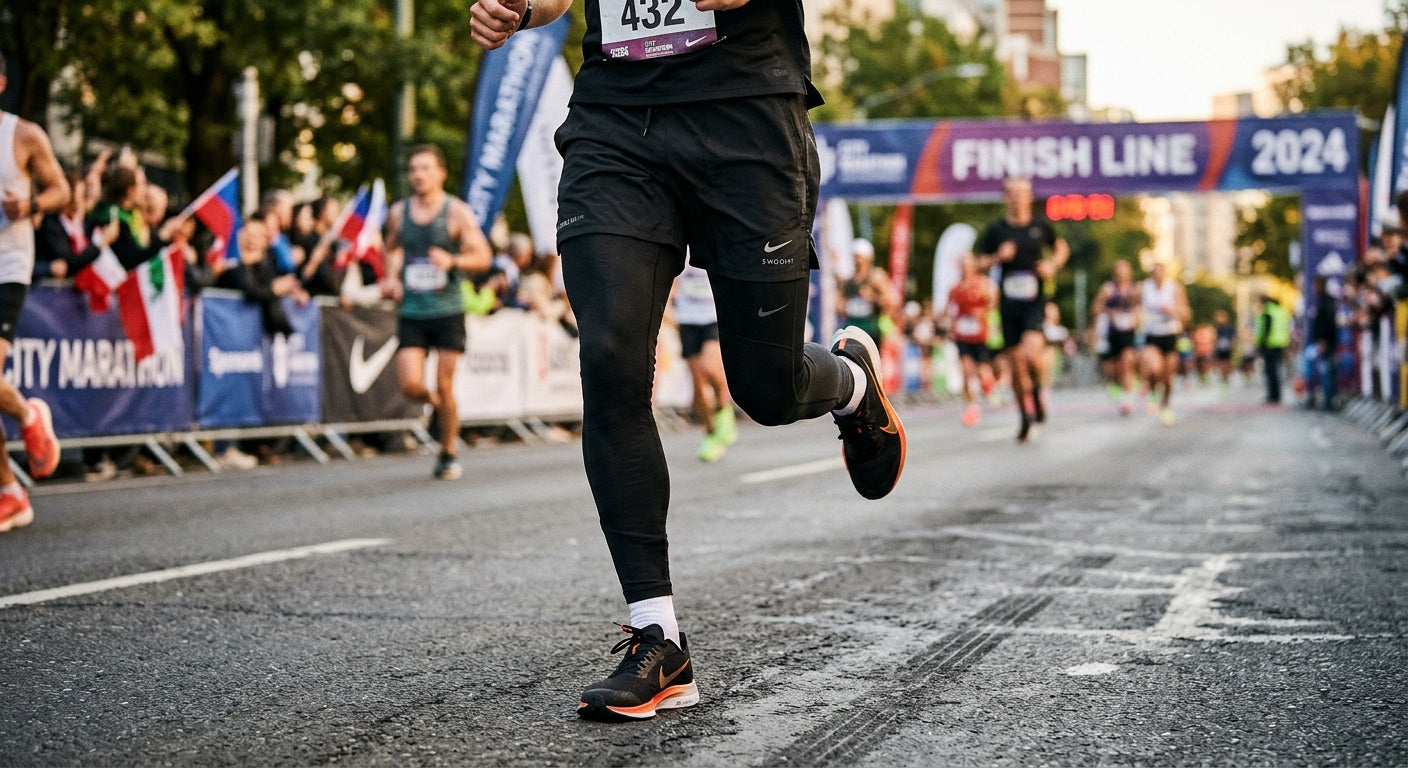
Next, without a doubt, there is the core factor. When you are bracing your middle for a long walk, the last thing you want to do is relax your stomach muscles to lose control of the heavy bag. A tight and firm brace means you get your balance sorted beforehand so that it not only locks the weight in place, but helps you move fast and well. That is a habit that keeps you safe on the hard floor.
Then, it is clear, you have the burnout factor. When you are doing high reps for a long event, the last thing you want to do is push too hard on the front of your legs to fail early. Using your back leg muscles means you keep your power dialled in so that it not only shares the heavy load, but saves your front legs for the run. That is a tactic that is better than anything else for racing.
Essential Kit
Moving on, of course, you have the shorts factor. When you are stepping deep into a tough lunge, the last thing you want to do is wear tight cloth that pulls on your skin to restrict your movement. Wearing our functional training shorts means you step into a pair of kit that is spec'd out with stretch fabric that not only moves with you, but stays cool. That is a pair of shorts that makes the hard work easy.

Have a specific performance goal in mind?
Get direct feedback on your training targets right here on the page—no sign-up or account required. Try asking Raye: 'How should I adjust my weekly mileage for a sub-20 minute 5K?' Ask about your goals
Also, quite naturally, there is the leg wear factor. When you are training your legs for a long race, the last thing you want to do is let your muscles shake and tire out to slow your pace down. Pulling on thick compression tights means you have your lower body kitted out with tight support that not only holds the muscle firm, but helps blood flow very well. That is a base layer that works harder than anything else around.
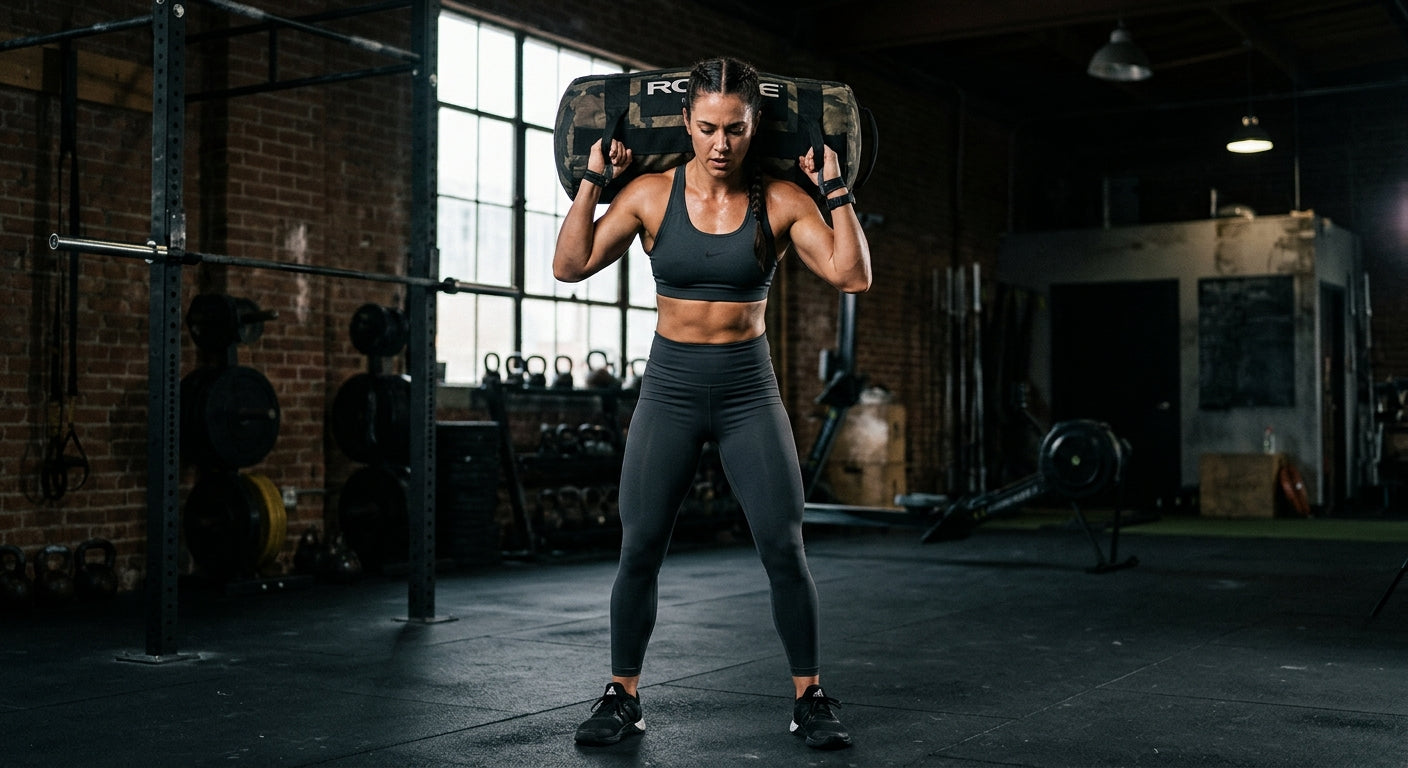
Finally, for the kit, you have the bra factor. When you are holding a heavy sandbag on your back, the last thing you want to do is wear a loose top that shifts around to distract your mind. A firm and strong sports bra means you get your top half dialled in so that it not only locks everything down, but stops the bag straps from rubbing. That is a piece of kit that gives you peace of mind.
Top 5 Features to look out for
- When you are buying a sandbag for your home gym, the last thing you want to do is buy cheap thread to have the sand leak out. Finding a bag with stitching strength means you get a piece of kit that not only takes a heavy beating, but lasts for a long time. That is an option that saves you money in the end.
- When you are grabbing a heavy bag off the floor fast, the last thing you want to do is miss your grip to drop the heavy weight. Looking for proper handle placement means you have a setup that not only fits your hands well, but lets you lift with a lot of power. That is a feature that makes the lift much safer.
- When you are trying to change the weight of your bag, the last thing you want to do is pour loose sand to make a huge mess. Choosing a bag with filler bags inside means you get a turnkey system that not only keeps the dirt contained, but lets you scale the weight up. That is an option that is very easy to use.
- When you are dragging a heavy bag across the rough floor, the last thing you want to do is tear the cloth to ruin your new kit. Seeking out high fabric toughness means you get a shell that not only resists deep scrapes, but holds up to very hard daily wear. That is a feature that is built to last forever.
- When you are throwing a sandbag onto your upper back, the last thing you want to do is deal with lopsided sand to pull your spine sideways. Prioritising good weight balance means you get a bag that not only sits flat on your shoulders, but keeps your core perfectly in line. That is a feature that protects your body from harm.
10 alternative items to try
- When you are putting heavy strain on your leg joints, the last thing you want to do is leave them bare to risk a bad ache. Adding knee sleeves to your routine means you get a setup that not only warms the joint up, but adds a nice firm bounce back. That is a piece of kit that keeps you safe and strong.
- When you are gripping a thick sandbag in a hot room, the last thing you want to do is let sweat slip your hold to drop it. Adding a chalk block to your routine means you get a grip that not only dries the hands out, but locks the bag in place very well. That is an option that is better than anything else we know.
- When you are lifting very heavy bags for a long time, the last thing you want to do is bend your back to hurt your spine. Adding a weight belt to your routine means you have support that not only holds the core tight, but reminds you to stay tall and straight. That is a piece of kit that is worth its weight always.
- When you are training for a long and tough fitness race, the last thing you want to do is tear your skin to ruin your next week. Adding grip gloves to your routine means you get a layer that not only stops bad blisters, but gives you more grab on the thick bag. That is a piece of kit that makes the work much smoother.
- When you are warming up your legs before the heavy bag work, the last thing you want to do is start cold to pull a tight muscle. Adding resistance bands to your routine means you get a warm up that not only gets the blood moving, but wakes up your side hip muscles. That is an option that prepares you for the very hard work.
- When you are sore from a long day of heavy lunge steps, the last thing you want to do is sit still to let the muscles lock. Adding a massage gun to your routine means you get a tool that not only pounds out the tight knots, but speeds up your rest time. That is a piece of kit that is great for your recovery.
- When you are feeling very stiff in your front leg muscles, the last thing you want to do is ignore the pain to make it much worse. Adding a foam roller to your routine means you have a tool that not only flattens the tight spots, but brings fresh blood to the area. That is an option that keeps your body moving well and free.
- When you are sweating hard under a heavy bag in the gym, the last thing you want to do is lose salt to cramp up your legs. Adding an electrolyte mix to your routine means you get a drink that not only tops up your lost salts, but keeps your mind very sharp. That is an option that is vital for a very long session.
- When you are pulling a heavy sandbag up to your high back, the last thing you want to do is bend your wrists to cause sharp pain. Adding wrist wraps to your routine means you have a brace that not only holds the joint straight, but lets you pull with much more force. That is a piece of kit that is small but very mighty.
- When you are tracking your long lunge laps across the gym floor, the last thing you want to do is guess your speed to burn out early. Adding a pacing watch to your routine means you get a dial that not only times your rest splits, but keeps your heart rate in check. That is a piece of kit that is perfect for race day.
Finally, of course, you have the social media factor. When you are busy sticking to your routine and running your business, the last thing you want to do is spend hours posting on social media. Using a tool called site2.uk (just like our personal site sundried.site2.uk) means you get a turnkey setup that not only automates all your marketing, but lets you control it by WhatsApp. That is convenience that is better than anything else out there.


