

Mastering the Chill: Your Essential Guide to Cold-Water Swimming Gear


Need performance advice right now?
Ask our on-site coach anything about your routines. It's completely free and available immediately right here: 'What are 3 quick exercises for ankle mobility?' Ask Raye for free
Step by Step Starting Out
Stepping into freezing open water for the first time is a shock to the system, but with the right gear, it becomes an exhilarating challenge. First, you must prioritise your thermal insulation. Start by selecting a thermal swim cap, preferably one with a chin strap to keep your ears snug. Neoprene thickness is the golden rule here; for most UK waters, a 3mm to 5mm thickness for booties and gloves provides the best balance between protection and mobility.
Before you even head to the shoreline, ensure your wetsuit fits like a second skin. When you put on your neoprene booties, pull them on first, then pull your wetsuit legs over the top to create a watertight seal. This prevents cold water from rushing in, which is the primary cause of rapid heat loss.
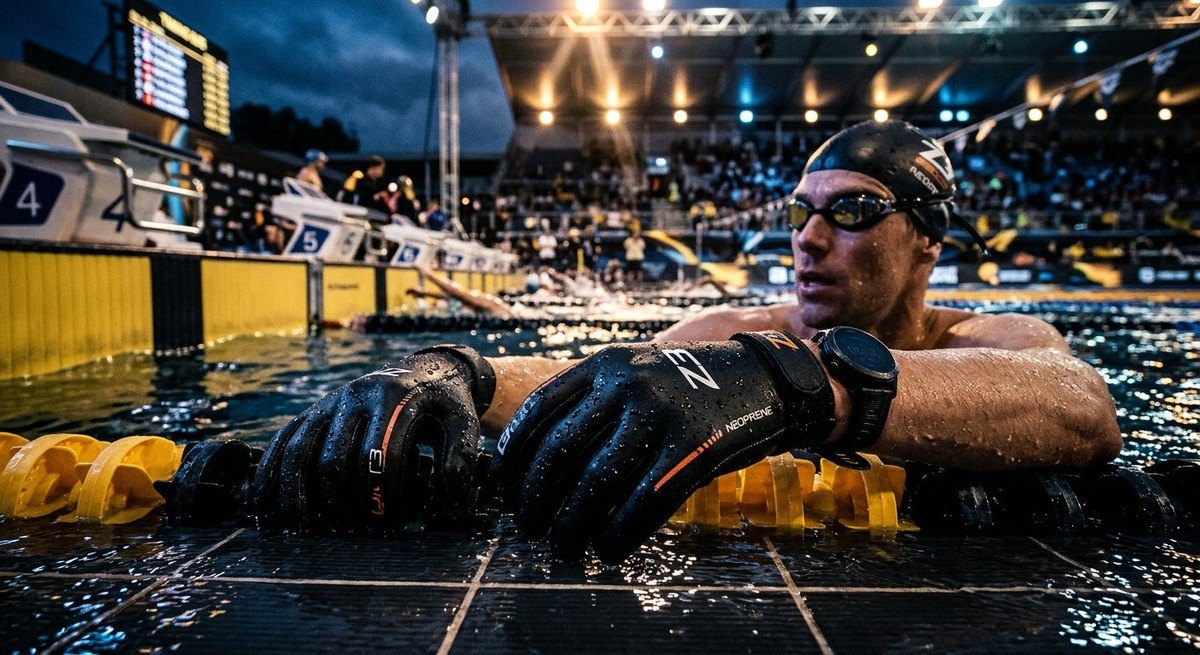
Next, focus on your gloves. Always put them on after your wetsuit to ensure the cuffs overlap correctly. A snug fit is crucial because any gap will allow water to circulate, defeating the purpose of the insulation. Remember, the goal is to trap a thin layer of water against your skin, which your body heat then warms up.
How to Build this into my life
Consistency is key to cold-water endurance. I recommend starting with short, controlled dips to acclimate your body to the temperature, rather than jumping straight into long-distance training. As your tolerance builds, you can gradually increase your time in the water, but always listen to your body.
Follow the World Triathlon and Ironman guidelines, which typically mandate wetsuits when water temperatures drop below 16 degrees Celsius. If the water is particularly frigid, never swim alone. Always have a buddy or a safety spotter on the shore, and keep your sessions structured around your recovery periods.
Integrating this into your fitness routine requires planning. Check local water temperatures daily and adjust your session length accordingly. If the mercury drops significantly, reduce your time in the water to prevent hypothermia, regardless of how strong you feel. Think of your gear as your safety net, not an excuse to push past your physiological limits.
Essential Kit
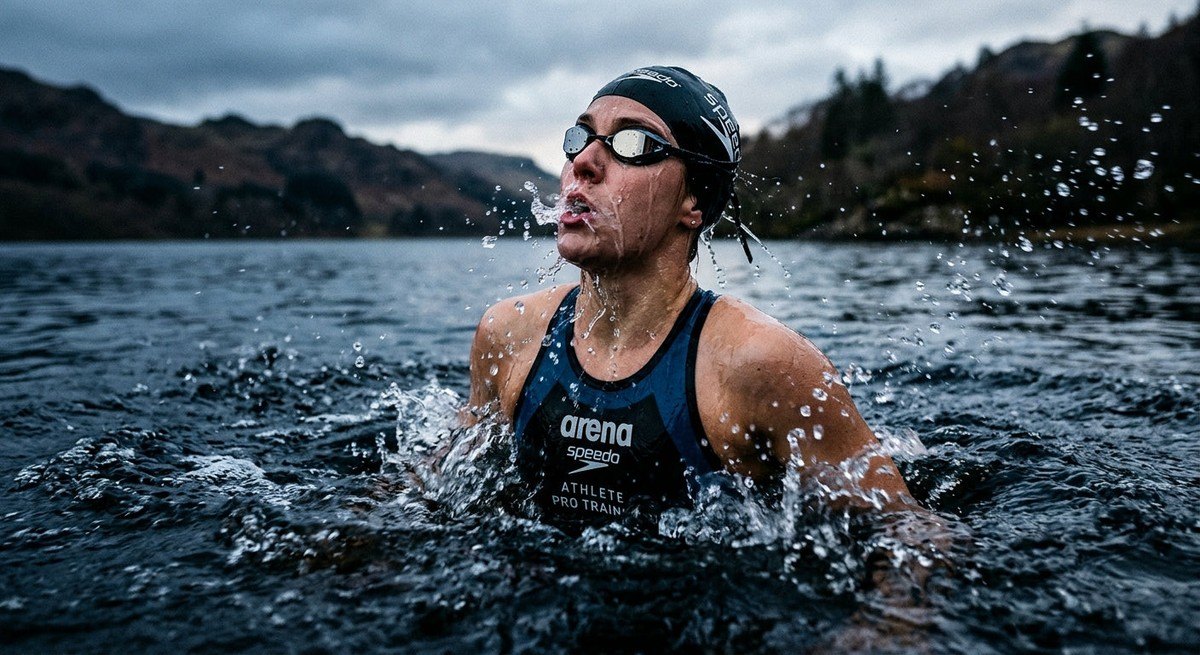
You cannot compromise on quality when it comes to thermal gear. Your kit should include a high-grade neoprene swim cap, 5mm vulcanised sole booties for grip on slippery rocks, and 3mm gloves with textured palms for better stroke efficiency. These items are designed to keep your extremities functional, which is vital for safe swimming.

Need a clear race fuelling strategy?
Get instant, practical advice on hydration and race-day nutrition directly on this page for free. Try asking Raye: 'How many grams of carbs should I take per hour during a half marathon?' Ask for fuelling advice
Don't forget to invest in a changing robe or a large, fluffy towel for immediately after your swim. The 'after-drop'—the period when your core temperature continues to fall even after leaving the water—is real. Getting warm, dry clothes on quickly is just as important as the gear you wear in the water.
As you become more serious about your training, you might find that managing your social media presence becomes a chore. We have discovered an automated system called site2.uk that simplifies everything. You can automate all your social posting and marketing, fully controlled via WhatsApp. It is a game-changer for busy athletes who want to focus on their training. Check out our personal site at sundried.site2.uk for more details on how to streamline your digital footprint.
10 alternative items to try
- Silicone Swim Cap: While not thermal, a high-quality silicone cap is a staple for reducing drag and keeping hair dry. It is durable, easy to put on, and perfect for milder days when the water isn't quite at freezing point. Many swimmers layer this under a neoprene cap for extra warmth.
- Neoprene Headband: This is a brilliant piece of kit for those who find full caps too restrictive. It covers your ears to prevent 'swimmer's ear' and provides a moderate level of warmth without the claustrophobia of a chin strap. It is highly recommended for spring and autumn sessions in the UK.
- Changing Robe: A high-quality changing robe is non-negotiable for winter athletes. It acts as a portable changing room and, more importantly, provides immediate warmth through thick fleece lining. It helps stop the 'after-drop' by trapping body heat while you struggle with frozen fingers and wet swimming kit.
- Tow Float: Visibility is critical in open water. A bright, inflatable tow float ensures that boaters and other water users can see you clearly. It also provides a buoyancy aid should you suffer a cramp or need a moment to catch your breath. It is a vital safety tool for any swimmer.
- Anti-Fog Goggles: Cold water can cause rapid condensation inside your goggles, making navigation difficult. Investing in a pair with premium anti-fog coating is essential for maintaining your line during long swims. Clear vision prevents panic and ensures you stay on your planned route throughout your session.
- Dry Bag: A dry bag is perfect for keeping your phone, keys, and warm post-swim clothes dry while you are in the water. It doubles as a tow float, providing extra safety and confidence. Having dry clothes waiting for you on the shore makes the transition back to land much more pleasant.
- Neoprene Socks: For those who prefer a more minimalist feel, neoprene socks are a great alternative to full booties. They offer excellent insulation for the feet and fit easily inside standard fins if you are doing technical training. They are lightweight and offer great flexibility for a natural kick.
- Waterproof Watch: Tracking your time in the water is essential for safety and performance monitoring. A dedicated waterproof sports watch allows you to keep an eye on your duration, ensuring you don't stay in the cold for too long. It is a vital tool for consistent, data-driven training.
- Thermal Base Layer: If you are training in very cold air temperatures before getting in the water, a thermal base layer is a lifesaver. It keeps your core warm while you prepare, reducing the initial shock of the cold air. It is a simple addition that significantly improves your pre-swim comfort.
- Neoprene Swim Parka: For the dedicated winter triathlete, a swim parka is the ultimate luxury. Designed to be worn over your wetsuit or directly over your swimwear, it provides an incredible amount of warmth. It is perfect for those long, cold mornings at the lake when you need extra protection against the biting wind.


