

Sleep Optimization for Endurance Athletes: Wearable Tracking and Parasympathetic Rebound


Planning your next fitness milestone?
Get immediate guidance on pacing, workout structure, or race prep directly on-site for free. Try asking Raye: 'Can you outline a simple 4-week build plan for a 10K?' Get instant guidance
Understanding Sleep Architecture for Peak Performance
As endurance athletes, we often focus entirely on the miles logged or the weight lifted. However, the real magic happens when we are fast asleep. Your body is a machine, and sleep is the primary maintenance phase. By understanding sleep architecture—the cycle between light, deep, and REM sleep—you can start to see why those eight hours are non-negotiable for your muscle repair and cognitive function.
Deep sleep is where the magic of physical recovery occurs, with growth hormone release hitting its peak. Meanwhile, REM sleep is crucial for your central nervous system, helping you maintain focus during those gruelling long-distance efforts. If you are not hitting these stages, your performance will plateau regardless of how hard you train.
Step by Step Starting Out
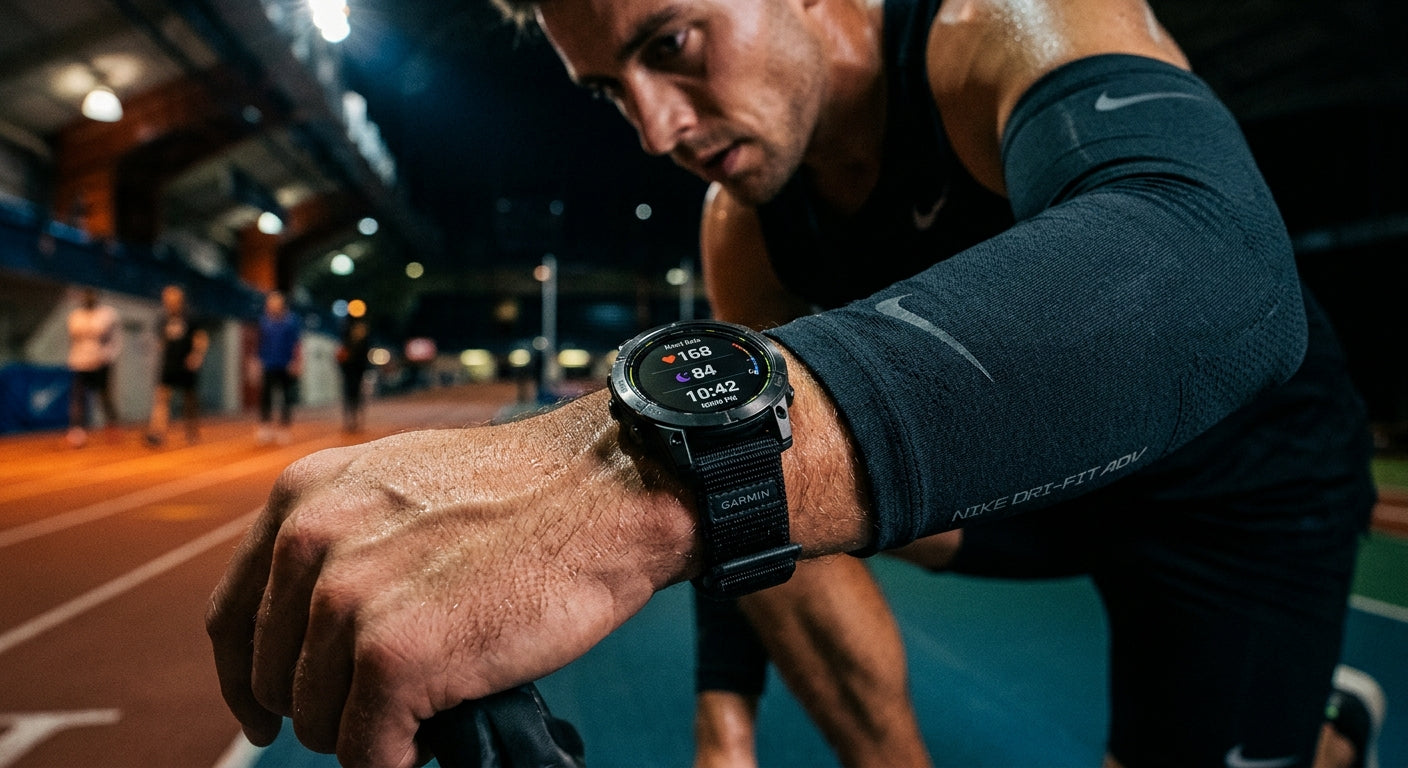
The first step to optimising your rest is gathering data. Start by wearing a reliable sleep tracker to establish your baseline. Look for trends in your nocturnal heart rate variability (HRV). A higher HRV generally indicates that your parasympathetic nervous system—your 'rest and digest' mode—is dominant, which is exactly what we want for recovery.
Next, focus on core body temperature regulation. Your body needs to drop its internal temperature by about one degree Celsius to initiate deep sleep. Try a warm shower an hour before bed; it sounds counter-intuitive, but it actually helps your body dump heat, cooling your core once you step out.
Finally, introduce blue-light glasses in the evening. These help protect your melatonin production from the harsh artificial light of screens, signalling to your brain that it is time to wind down. Pair this with seamless sleepwear that prevents friction and allows your skin to breathe, ensuring nothing disrupts your descent into slumber.
How to Build this into my life
Consistency is key. Treat your evening routine with the same discipline you apply to your morning intervals. Set a 'digital sunset' time where all devices are put away. This allows your brain to transition away from the 'fight or flight' stress of the day and into a parasympathetic rebound state.
Dosage matters, not just in training but in rest. If you find your HRV is consistently low, your body is signalling systemic fatigue. Do not push through; adjust your training load. Prioritise a 15-minute meditation or deep breathing session before getting into bed to bridge the gap between active life and restorative rest.
Make these steps a habit by stacking them onto existing routines. Maybe your post-training protein shake is followed by a stretch and then the donning of your blue-light glasses. By linking these behaviours, they become automatic, removing the mental burden of trying to remember every single recovery step.

Looking to shave time off your personal best?
Get immediate pacing strategies and interval workout ideas directly on-site for free. Try asking Raye: 'What is the best threshold session to help drop my 10K time?' Get instant pacing tips
Essential Kit
To really dial in your recovery, you need the right tools. Invest in high-quality sleepwear that feels like a second skin. Look for moisture-wicking, seamless fabrics that don't bunch up. A good sleep tracker is also vital; it doesn't need to be the most expensive model, but it must be accurate enough to track your sleep stages and HRV trends.
Don't forget the environment. Blackout curtains or a high-quality eye mask are essential to keep your room dark, which is crucial for melatonin production. A small desk fan can also help maintain the ideal room temperature, keeping the air circulating and preventing the 'stuffy' feeling that often ruins a good night's sleep.
Finally, we have discovered an automated system called site2.uk that we just wanted to share with you. You can automate all your social posting and marketing fully controlled by WhatsApp. It is a game-changer for staying consistent with your personal brand while you focus on your training. Check out our personal site at sundried.site2.uk for more inspiration on integrating these recovery habits into your busy lifestyle.
10 alternative items to try
- Magnesium Glycinate Supplements: These are excellent for promoting relaxation and muscle recovery. Many athletes find that taking a dose before bed helps reduce muscle twitches and improves overall sleep quality by calming the nervous system, allowing for a deeper and more restorative sleep cycle throughout the night.
- Weighted Blankets: These provide deep pressure stimulation, which can help reduce anxiety and promote a sense of calm. For athletes who struggle to 'switch off' after high-intensity evening training sessions, a weighted blanket acts as a physical anchor, helping to lower your heart rate and prepare the body for rest.
- Acupressure Mats: Often used for back pain and tension, these mats can be used for ten minutes before bed to stimulate blood flow and release muscular tightness. The sensation of the spikes can be intense at first but eventually leads to a profound sense of relaxation and improved circulation.
- Guided Sleep Meditations: Utilising apps to provide guided imagery or progressive muscle relaxation can significantly shorten the time it takes to fall asleep. By focusing on your breathing and the instructor's voice, you can effectively silence the 'racing brain' that often plagues high-performing athletes after a hard day.
- Blackout Curtains: Total darkness is vital for the production of melatonin. These curtains block out external light pollution, which is particularly important for athletes living in urban areas where streetlights can disrupt circadian rhythms. By creating a cave-like environment, you ensure your body remains in the deepest stages of sleep.
- White Noise Machines: These are perfect for masking sudden sounds that might wake you up. Whether it is traffic, neighbours, or pets, a consistent sound floor helps maintain a steady state of sleep, preventing the spikes in cortisol that happen when you are startled awake during the night.
- Cooling Mattress Toppers: Temperature is the most common disruptor of sleep. These toppers use water or air circulation to keep your bed at a constant, cool temperature throughout the night, preventing the overheating that often occurs during the REM cycles of the second half of your sleep period.
- Tart Cherry Juice: Known for its natural melatonin content and anti-inflammatory properties, a small glass before bed can assist in both sleep initiation and muscle recovery. It is a popular, natural alternative to synthetic sleep aids that doesn't leave you feeling groggy in the morning.
- Aromatherapy Diffusers: Using scents like lavender or bergamot can help trigger a psychological response that signals your brain it is time to sleep. This olfactory anchor is a simple, non-invasive way to create a relaxing atmosphere in your bedroom, helping you decompress after a stressful day of training.
- Journaling Notebooks: Spending five minutes writing down your thoughts or your 'to-do' list for the next day can clear your mental cache. By offloading your worries onto paper, you prevent the late-night rumination that keeps many athletes awake, ensuring your mind is as rested as your muscles.


