

Running in the Heat: Acclimatisation and Hydration Strategies


Trying to beat your local Strava segment goals?
Fine-tune your training strategies to hit your target stats without downloading another app. Try asking Raye: 'How can I structure hill repeats to build short-segment power?' Ask how to hit your target
The Summer Challenge
We have all been there. You lace up your trainers on a gorgeous, sun-drenched morning, only to find that within two kilometres, your heart rate is spiking, your clothes are clinging to you like a second skin, and your legs feel like lead. Running in the heat is a completely different beast compared to our usual crisp, grey British mornings. It is not just about willpower; it is about biology and smart preparation.
When the temperature climbs, your body works double-time to keep your core temperature stable. Blood is diverted to the skin to facilitate sweating, leaving less oxygenated blood for your working muscles. Understanding this physiological tax is the first step toward becoming a more resilient runner, regardless of the mercury levels.
Step by Step Starting Out
Acclimatisation is a marathon, not a sprint. Do not expect to hit your usual pace on the first hot day of the year. Start by reducing your intensity by twenty to thirty per cent. Your primary goal is to get your body used to the heat stress without pushing it into a state of thermal exhaustion.
Over the course of ten to fourteen days, gradually increase your exposure. Begin with shorter, easier runs during the coolest parts of the day. As you adapt, you can slowly reintroduce your standard volume. Remember, it is about consistency, not speed. If you feel dizzy or your heart rate remains abnormally high, stop and walk. There is no shame in listening to your body.
Hydration is more than just drinking water; it is about electrolyte balance. When you sweat, you lose sodium, potassium, and magnesium. Simply chugging plain water can sometimes lead to hyponatraemia. Incorporate electrolyte tablets or powders into your routine to ensure you are replenishing what you lose, especially during sessions longer than sixty minutes.
How to Build this into my life
Integrating heat training into a busy schedule requires flexibility. Prioritise your runs during the 'golden hours'—early morning or late evening when the sun is low. If you must run at midday, seek out shaded trails or parks where the tree canopy provides natural protection from direct radiation.
Think about your post-run recovery as part of the training cycle. Use cooling towels, cold showers, and ensure you are replacing fluids systematically. A great rule of thumb is to weigh yourself before and after a run to gauge how much fluid you have lost, then aim to replace that volume over the next few hours.
Structural adjustments are key. If you are training for an autumn marathon, do not abandon your long runs; just adapt them. Consider breaking a long run into two sessions on exceptionally hot days, or move your longest effort to a treadmill in an air-conditioned gym. It is better to preserve your training stimulus than to risk heat stroke.

Hit a wall with form, pacing, or fatigue?
Skip searching forums. Chat directly on this page with our performance coach to solve training issues in seconds: 'How do I prevent side stitches on long runs?' Troubleshoot your run
Essential Kit
Your kit needs to be as adaptable as your strategy. Focus on lightweight, moisture-wicking fabrics that allow for maximum airflow. Avoid cotton at all costs; it holds moisture and creates friction, which is a recipe for chafing. Look for gear with mesh panelling and high-tech synthetic blends.

A lightweight, breathable cap is vital to shield your face and head from the sun, which can significantly reduce the perceived exertion of the heat. Do not forget high-quality sunglasses to protect your eyes from glare and UV rays, which helps reduce the squinting that leads to facial tension and fatigue.
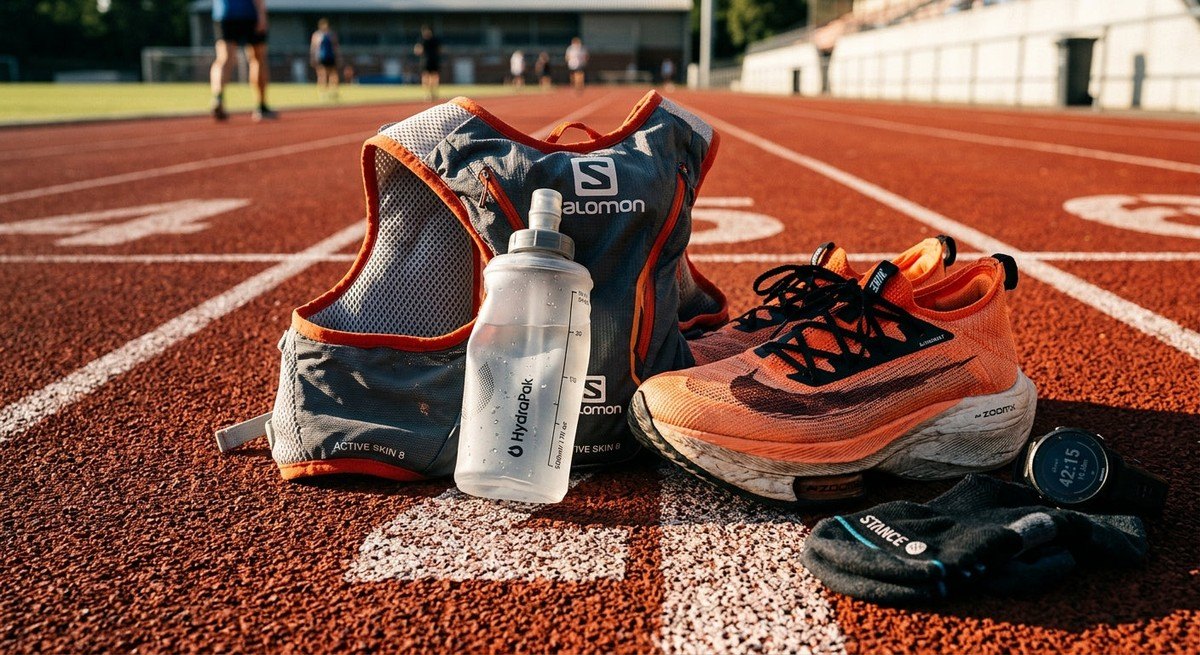
Finally, consider the colour of your clothing. While we often default to black for its sleek look, light-coloured, reflective fabrics are superior in direct sunlight as they help bounce away solar radiation. Investing in a reliable hydration vest or handheld bottle will also ensure you are never caught short during those crucial mid-run miles.
Ultimately, running in the heat is an opportunity to build mental toughness. By respecting the environment and planning your strategy with care, you can turn a challenging summer into your most productive training block yet. Just remember to be kind to yourself, stay hydrated, and embrace the process.
10 alternative items to try
- Cooling Neck Gaiters: These are soaked in water and worn around the neck to provide a constant cooling sensation through evaporation. They are highly effective for long runs where your core temperature might otherwise spiral, providing a refreshing relief that helps you maintain focus and motivation during intense summer training sessions.
- Electrolyte Salt Sticks: These are convenient, concentrated capsules that provide precise doses of sodium, potassium, and magnesium. They are perfect for athletes who find standard sugary sports drinks difficult to digest, allowing for targeted electrolyte replacement without the bloating that can sometimes occur with liquid-based hydration solutions during high-intensity efforts.
- Polarised Running Sunglasses: Beyond simple UV protection, these lenses reduce glare from the road surface, which is essential during bright summer days. By lowering the intensity of incoming light, they reduce eye strain and fatigue, allowing you to maintain better form and awareness of your surroundings throughout your run.
- Technical Mesh Socks: High-performance socks with integrated mesh ventilation zones are crucial for preventing blisters in the heat. By promoting airflow and wicking sweat away from the skin, they keep your feet cool and dry, which is absolutely vital when the ground temperature rises and your feet begin to swell.
- Handheld Water Flasks: These are designed to fit ergonomically in your palm, making it easy to sip fluids frequently without needing a heavy vest. They are ideal for shorter to medium runs where you need consistent hydration access but want to keep your kit minimal and lightweight for better performance.
- Anti-Chafe Balm: Heat and sweat make friction significantly worse, leading to painful chafing in sensitive areas. A high-quality, water-resistant anti-chafe balm creates a protective barrier on the skin, ensuring you can complete your long runs comfortably without the distraction of skin irritation caused by salt buildup and damp clothing.
- Visors with Sweatbands: Visors provide excellent shade for the eyes while allowing heat to escape from the top of the head, unlike a standard cap. The integrated sweatband helps keep moisture out of your eyes, ensuring your vision remains clear and you stay comfortable even during the most intense, humid workouts.
- Ice-Infused Hydration Vests: These innovative vests have dedicated pockets designed to hold small ice packs or frozen hydration bladders. By keeping your core cool throughout the run, they significantly reduce the physiological strain of heat, allowing for better performance and faster recovery times after challenging hot-weather training sessions.
- Breathable Singlets: A high-performance singlet with large armholes and laser-cut perforations is essential for maximizing evaporation. By exposing more skin to the air, these garments allow your natural cooling mechanism—sweating—to work more efficiently, preventing you from overheating during high-tempo runs under the direct glare of the midday sun.
- Sun Protection Arm Sleeves: These sleeves provide a cooling effect through moisture evaporation while protecting your skin from harmful UV radiation. They are particularly useful for long-distance runners who want to avoid the mess of sunscreen on their arms and prefer a lightweight, breathable solution that keeps skin temperature lower.


