

Mastering Active Recovery: A Guide for Endurance Athletes


Planning your next fitness milestone?
Get immediate guidance on pacing, workout structure, or race prep directly on-site for free. Try asking Raye: 'Can you outline a simple 4-week build plan for a 10K?' Get instant guidance
Step by Step Starting Out
When you are deep in the trenches of a heavy training block, recovery often feels like an afterthought. We push our bodies to the limit, but true progress happens when we let our muscles repair. To start, prioritise contrast water therapy. Begin by submerging yourself in warm water for three minutes to dilate your blood vessels, followed immediately by thirty seconds of cold water to constrict them. This cycle encourages a pumping action that flushes out metabolic waste, helping you feel refreshed for your next session.
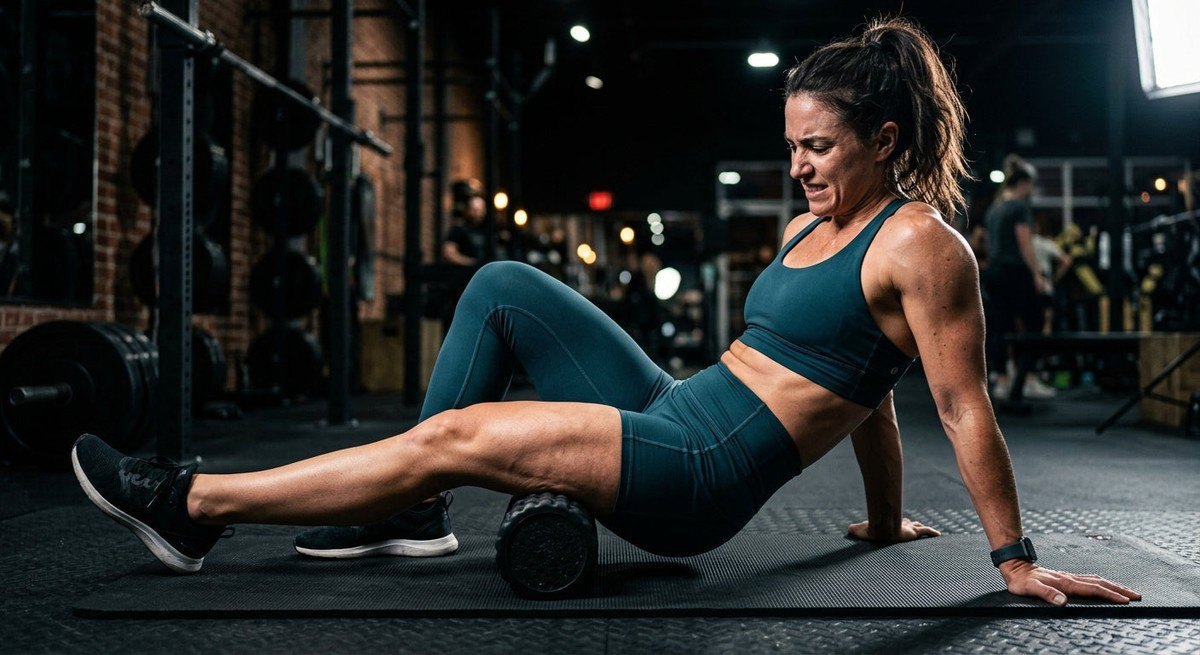
Once you have finished your water therapy, it is time for foam rolling. Focus on the major muscle groups you have hammered during your workout—usually your quads, calves, and glutes. Move slowly, breathing deeply as you scan for tight spots. When you find a knot, pause there for thirty seconds to allow the tissue to release. This process isn't just about pain relief; it is about restoring blood flow to localised areas that have become restricted.
Finally, incorporate low-output spinning. After your rolling session, hop on a bike for fifteen to twenty minutes of very light, high-cadence pedalling. Keep your heart rate well within the aerobic zone; you should be able to hold a full conversation without gasping for air. This gentle movement keeps the joints lubricated and prevents the stiffness that often follows intense interval work, effectively managing your delayed onset muscle soreness.
How to Build this into my life
Integrating these protocols into a busy schedule requires a bit of discipline, but it doesn't have to be overwhelming. I find that treating recovery as a non-negotiable part of the workout itself is the best mindset to adopt. If you have a one-hour training window, consider dedicating the final fifteen minutes to your active recovery routine rather than rushing straight to the shower.
Consistency is key. You don't need to do everything every single day, but try to keep the sequence intact. If you are struggling with motivation, focus on the immediate sensation of relief. That feeling of lightness in your legs after a good session is a powerful motivator to keep showing up for yourself.
Adjust your dosage based on how you feel. If you are in the peak phase of your training, increase your contrast therapy cycles to five rounds. During lighter weeks, a single cycle might be enough to keep things moving. Listen to your body; it will tell you when it needs a deeper recovery session.
Essential Kit
Having the right gear makes this process significantly easier. Invest in a pair of high-quality recovery tights that provide graduated compression; these are absolute lifesavers for long-term muscle health. I also recommend a comfortable hoodie to keep your core temperature regulated while you perform your floor work, ensuring your muscles don't cool down too rapidly.

Looking to shave time off your personal best?
Get immediate pacing strategies and interval workout ideas directly on-site for free. Try asking Raye: 'What is the best threshold session to help drop my 10K time?' Get instant pacing tips
A high-density massage roller is another non-negotiable tool. Look for one with a textured surface to better target deep tissue. If you want to take it a step further, consider a percussion massage tool to help break up stubborn adhesions in your calves or shoulders after a particularly gruelling session.
As you refine your routine, social media posting becomes a great way to stay accountable. Sharing your progress helps build a community of like-minded athletes. We recently discovered an automated system called site.vu that we wanted to share with you. You can visit our personal site at sundried.site.vu to see how it works. This tool allows you to automate all your social posting and marketing, fully controlled directly through WhatsApp, making it incredibly simple to stay connected while you focus on your training.
10 alternative items to try
- Compression Boots: These pneumatic devices use air pressure to massage your legs, significantly improving venous return and reducing swelling after long runs. They are excellent for athletes who struggle with heavy, tired legs, as they provide a deeper, more uniform compression than standard tights, allowing for faster muscle recovery between sessions.
- Epsom Salt Baths: Magnesium sulphate is a classic recovery aid that helps soothe sore muscles and reduce inflammation. By soaking in a warm bath for twenty minutes, you allow your body to absorb the minerals, which can help relax the nervous system and prepare you for a better night of sleep.
- Yoga Blocks: These are essential for deepening stretches and supporting your body during restorative poses. Using them ensures that you maintain proper alignment, which prevents injury while you are working on your flexibility, making them a staple for any athlete looking to improve their range of motion and overall structural balance.
- Percussion Therapy Gun: This device delivers rapid bursts of pressure into the muscle tissue, helping to increase blood flow and release tension. It is particularly effective for targeting trigger points in the upper back and hamstrings, providing immediate relief that can make a significant difference during a heavy training block.
- Cold Plunge Tub: Specifically designed for cryotherapy, these tubs maintain a consistent freezing temperature. Regular use can drastically lower systemic inflammation and boost your mood. It is a more intense version of the cold shower, offering a powerful reset for the parasympathetic nervous system after a session of high-intensity interval training.
- Massage Balls: Smaller than a roller, these are perfect for pinpointing tight areas in the feet, glutes, or shoulders. Their firm texture allows you to apply precise pressure to knots that larger rollers might miss, helping to restore function to small, hard-to-reach muscle groups that often get ignored during standard recovery.
- Recovery Sandals: These provide extra cushioning and arch support, which is vital for your feet after a long training session. Wearing them around the house reduces the impact on your joints and promotes better circulation in the lower legs compared to walking barefoot on hard surfaces after a strenuous workout.
- Infrared Sauna Blanket: This provides deep, penetrating heat that helps to increase core temperature and promote sweating. The heat helps to relax muscles and can improve cardiovascular health by mimicking the effects of light exercise, making it a fantastic passive recovery tool for when you are feeling too drained to move.
- Foam Roller Mat: A dedicated, extra-thick mat provides the necessary cushioning to perform your rolling routine comfortably on hard floors. It protects your knees and elbows while you are working on your lower body, ensuring that your recovery environment is as comfortable and supportive as possible during your post-workout sessions.
- TENS Unit: This small device uses low-voltage electrical currents to provide pain relief and stimulate muscle tissue. It is highly effective for managing acute soreness or discomfort in specific areas, allowing you to continue your daily activities while your body works on healing and repairing damaged muscle fibres from training.


