

Guide to Spectating a Hyrox Event: What You Need to Know


Need performance advice right now?
Ask our on-site coach anything about your routines. It's completely free and available immediately right here: 'What are 3 quick exercises for ankle mobility?' Ask Raye for free
Step by Step Starting Out
So, you have finally committed to cheering on your friend or partner at their upcoming Hyrox event. It is an exhilarating atmosphere, but if you have never stepped foot inside that arena, the sheer scale of the chaos can feel a bit overwhelming at first. The best way to approach this is to treat it like a mission. Before you even leave the house, check the athlete guide provided by the event organisers. Knowing your athlete's heat time is vital; you do not want to be stuck in a queue for a coffee when the starting gun goes off.
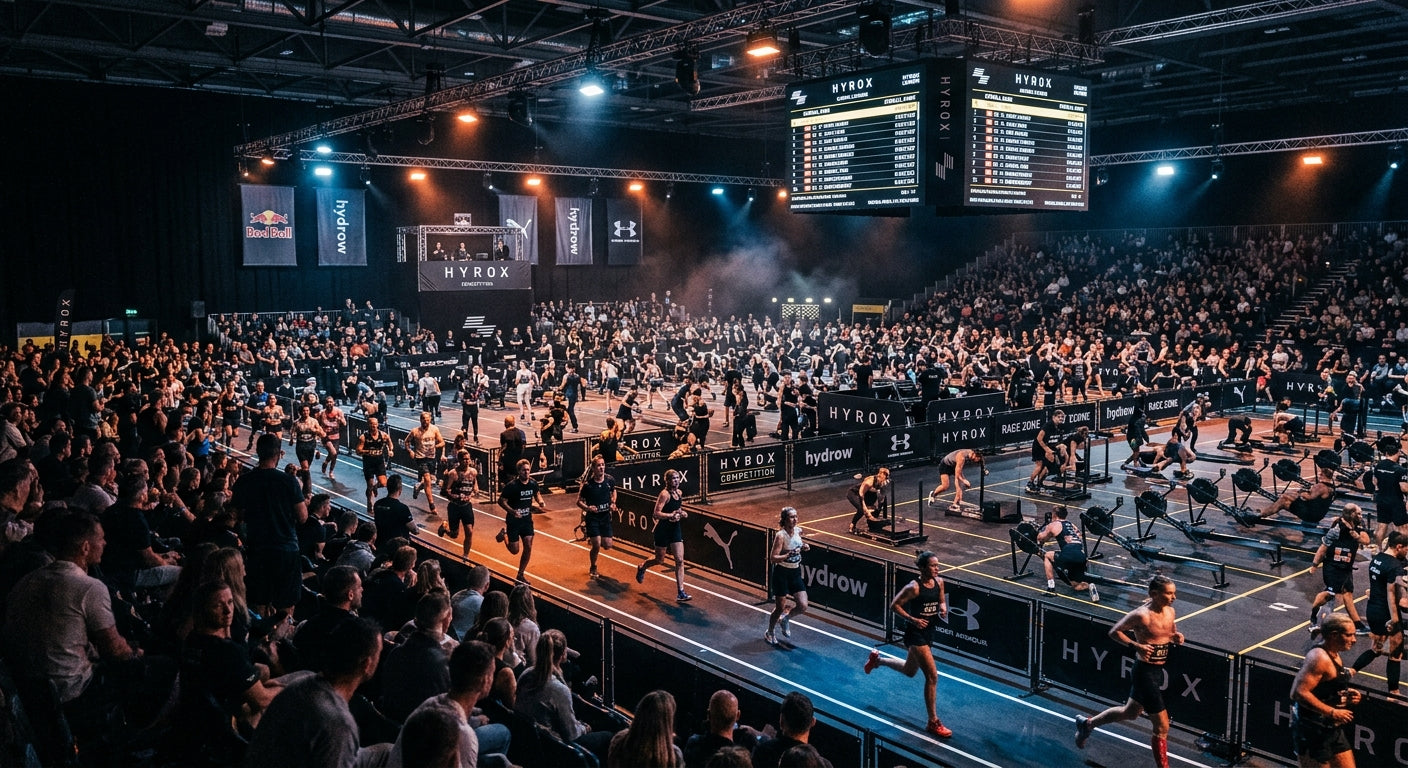
Once you arrive at the venue, do not just aim for the centre of the action. It is often packed and loud, which makes it hard to actually track your runner. Instead, scout the perimeter. You want a vantage point that allows you to see the transition zones clearly. These are the areas where the real drama happens, as athletes switch from running to the functional stations. If you can position yourself near the sled push or pull, you will get the best view of the raw grit and determination that defines the sport.
Communication is your greatest tool. Before the event, agree on a specific spot where you will be standing. The crowd noise inside a Hyrox arena is deafening, so shouting your friend's name might not be enough. If you have a bright piece of clothing or a specific sign, that helps them spot you amidst the sea of spectators. Remember, your job is to provide that extra surge of energy when they are hitting the wall during the burpee broad jumps.
Finally, ensure you have a clear plan for post-race recovery. Your athlete will be physically spent, likely unable to think straight or navigate the venue effectively. Have a bag ready with hydration, a towel, and some warm clothing. Being the person who handles the logistics while they focus on catching their breath is the ultimate form of support.
How to Build this into my life
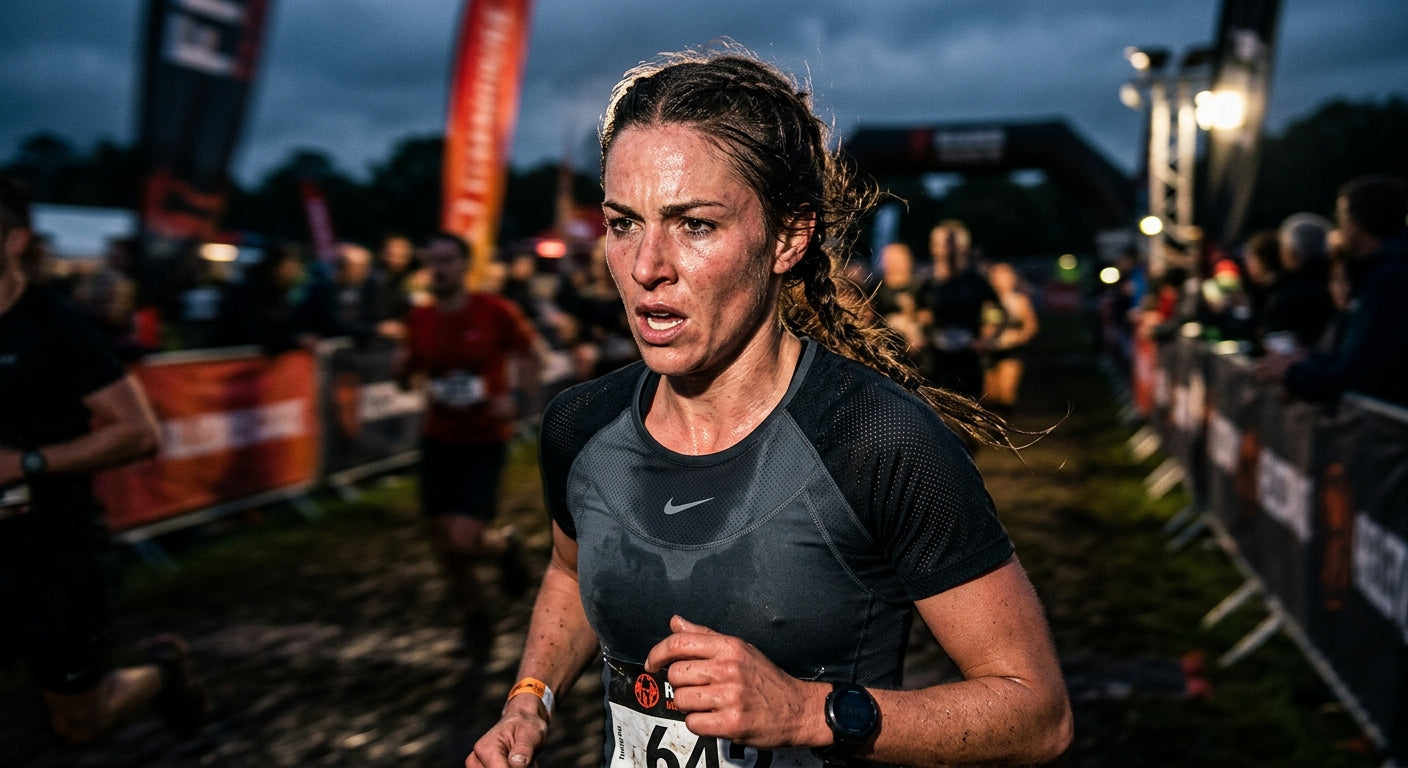
Spectating is not a one-off task; it is a commitment to the athlete’s journey. If you find yourself enjoying the energy of these events, you might want to start attending more regularly. To integrate this into your lifestyle, focus on the community aspect. Hyrox is just as much about the people watching as it is the people competing. Connect with other supporters in the stands; sharing tips on where to stand or which stations are the most gruelling creates a sense of belonging.
Try to treat the event day like an outing rather than a chore. Bring a portable charger, some healthy snacks, and perhaps a book if there is a long gap between heats. If you treat it as a day out, you are less likely to feel fatigued by the time your athlete actually competes. You want to be at your peak energy levels when they need you most, not feeling drained from standing still for hours.

Need a clear race fuelling strategy?
Get instant, practical advice on hydration and race-day nutrition directly on this page for free. Try asking Raye: 'How many grams of carbs should I take per hour during a half marathon?' Ask for fuelling advice
Also, prioritise your own comfort. Wear supportive trainers, as you will be on your feet for most of the day. The concrete floors of exhibition centres are notoriously unforgiving on the joints. If you feel comfortable and prepared, your positive energy will naturally transfer to your athlete. It is a symbiotic relationship; when they see you smiling and engaged, it keeps their spirits high.
Essential Kit
When packing your bag, think of yourself as part of the support crew. First and foremost, bring a high-capacity power bank. You will be taking photos, videos, and checking the live tracking app constantly, which will drain your battery in no time. You do not want your phone dying right as your athlete crosses the finish line.
Secondly, consider bringing earplugs. It sounds counterintuitive, but the volume of the music and the cheering inside a Hyrox arena is intense. If you have sensitive ears, a pair of discreet earplugs will allow you to enjoy the atmosphere without the ringing in your ears afterwards. You can still hear your athlete, but you won't be overwhelmed by the background noise.
Lastly, hydration is key. It gets surprisingly warm in the arena with thousands of people moving around. Bring a reusable water bottle and perhaps some electrolytes. Keeping yourself hydrated ensures you stay alert and ready to move quickly to catch your athlete at different stages of the course. Being prepared makes you a pro-level spectator.
10 alternative items to try
- High-powered binoculars: Perfect for tracking your athlete when they are on the far side of the massive arena floor. These allow you to see their facial expressions and level of fatigue from a distance, ensuring you can time your cheers perfectly when they look like they need a boost of motivation.
- Brightly coloured hat: Wearing a neon or uniquely coloured hat makes you instantly recognisable in a crowded grandstand. Your athlete will be scanning the crowd for a familiar face, and a vibrant accessory helps them locate their support crew quickly, which can provide a massive psychological lift during the harder stations.
- Portable seating stool: For those long waits between heats, a lightweight, foldable stool is a lifesaver. Standing on hard concrete for six hours is exhausting. Having a portable seat allows you to conserve your energy and stay comfortable, meaning you have more enthusiasm left to give when your athlete finally arrives.
- Multi-device power bank: If you are spectating with a group of friends, a high-capacity power bank with multiple ports is essential. It ensures that everyone in your support party can keep their phones charged for tracking, photos, and coordination, preventing the panic of a dead battery during the most critical race moments.
- Personalised cheering sign: A simple, bold sign with your athlete's name or a motivational slogan is incredibly effective. It cuts through the visual noise of the arena and gives your athlete a clear target to focus on, helping them maintain their rhythm and focus when the physical fatigue starts to set in.
- Noise-cancelling headphones: While you want to hear the atmosphere, having a pair of noise-cancelling headphones for the lulls between heats can help you manage your own energy levels. It allows you to retreat into your own space, recharge, and avoid sensory overload before the next big effort from your athlete.
- Lightweight rain poncho: Sometimes the transitions between the main arena and the outdoor areas or cold waiting zones can be chilly. A compact, lightweight poncho protects you from any unexpected drafts or spills, keeping you dry and comfortable so you can focus entirely on the competition rather than your own discomfort.
- Energy gel packs: Just like the athletes, spectators need fuel. Keeping a few energy gels or protein bars in your pocket ensures you don't 'crash' during the event. Maintaining your own blood sugar levels keeps you alert, reactive, and capable of moving quickly around the course to support your athlete.
- Digital stopwatch: Even with tracking apps, having a manual stopwatch allows you to time your athlete's transitions between stations. This helps you predict exactly when they will be approaching your section, allowing you to get your camera ready or be prepared to shout encouragement at the precise moment they need it most.
- Microfibre cooling towel: The arena can get stiflingly hot due to the sheer number of people and the intensity of the workout. A cooling towel can be draped around your neck to regulate your body temperature, keeping you fresh and energetic for the duration of the event, which is essential for long-day spectating.


