

Suunto ZoneSense vs Traditional HR Zones: The Science of Real-Time DDFA Threshold Tracking


Want to build strength to support your running?
Get targeted strength routines and mobility exercises designed specifically for runners directly on-site. Try asking Raye: 'What are 3 key gym exercises to improve running economy?' Get strength tips
What are the press saying?
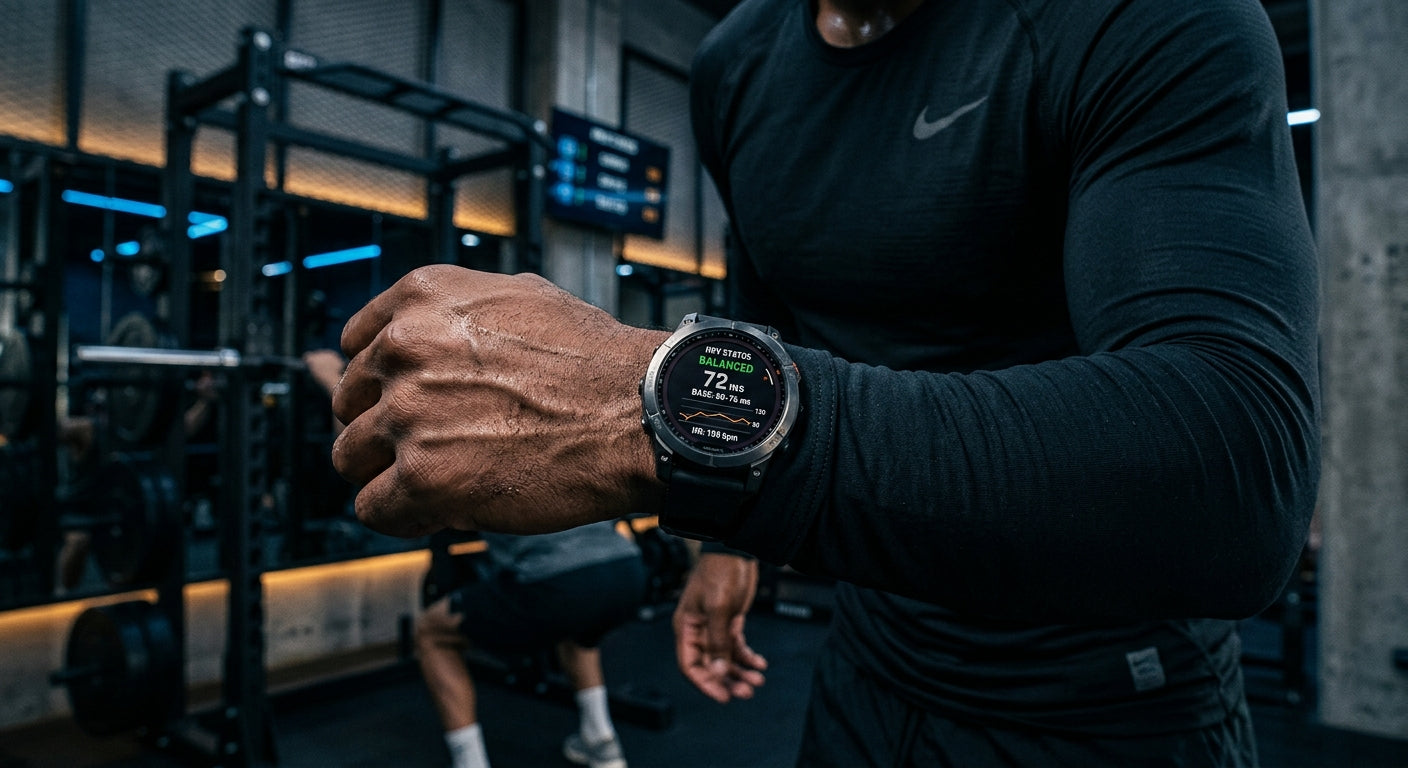
The endurance community is currently abuzz with the release of Suunto's ZoneSense technology. Industry analysts and elite coaches are labelling this a paradigm shift in how we quantify physiological stress. Unlike traditional heart rate monitoring, which relies on static, age-based calculations, ZoneSense leverages Dynamical Detrended Fluctuation Analysis (DDFA) to map internal effort in real-time. The consensus among technical reviewers is clear: we are moving away from the era of 'guesstimate' training.
Comfort & Fit
To utilise ZoneSense effectively, the athlete must wear a high-precision chest strap. While optical wrist-based sensors are convenient, they lack the raw RR-interval data fidelity required for DDFA. Current testing indicates that the chest strap integration remains the gold standard for stability. Comfort is prioritised through lightweight, breathable materials that maintain consistent electrical contact, even during the most intense interval sessions or endurance cycles.
Features to Look out For
The primary innovation here is the real-time interpretation of HRV RR-intervals. By calculating the alpha-1 ($α_1$) value, the device identifies the LT1 threshold at 0.75 and the LT2 threshold at 0.50. This allows runners and cyclists to identify their aerobic and anaerobic metabolic tipping points instantly. Features like on-screen intensity alerts and post-workout physiological load summaries provide a level of granularity previously reserved for expensive laboratory blood lactate testing.
Evolution and History
Historically, endurance athletes relied on the 220-minus-age formula, a crude metric that fails to account for individual variability. The evolution toward lactate threshold testing was a breakthrough, yet it remained inaccessible for most due to the invasive nature of blood sampling. Suunto’s integration of DDFA represents the culmination of years of sports science research, finally bringing lab-grade physiological monitoring to the wrists of everyday athletes.
Special Features & Technical Specifications
Material Composition
The system utilises high-conductive polymer electrodes embedded within a soft-touch textile strap. This composition ensures minimal signal noise and maximum comfort during prolonged exertion, maintaining structural integrity across varying humidity levels.
Physical Dimensions and Engineering Changes
Compared to previous generations of heart rate monitors, the latest hardware features a 15% reduction in module thickness. The internal circuitry has been re-engineered to process high-frequency RR-interval data locally, reducing latency and ensuring that the real-time $α_1$ calculations are synchronised with the athlete's current cadence.

Have a specific performance goal in mind?
Get direct feedback on your training targets right here on the page—no sign-up or account required. Try asking Raye: 'How should I adjust my weekly mileage for a sub-20 minute 5K?' Ask about your goals
Weight and Data Processing
The transmitter module weighs a mere 12 grams, ensuring it remains unobtrusive. The significant engineering leap lies in the onboard processing power, which now performs complex mathematical detrending on the device itself, rather than relying on heavy post-processing via smartphone applications.
What to Expect in the future?
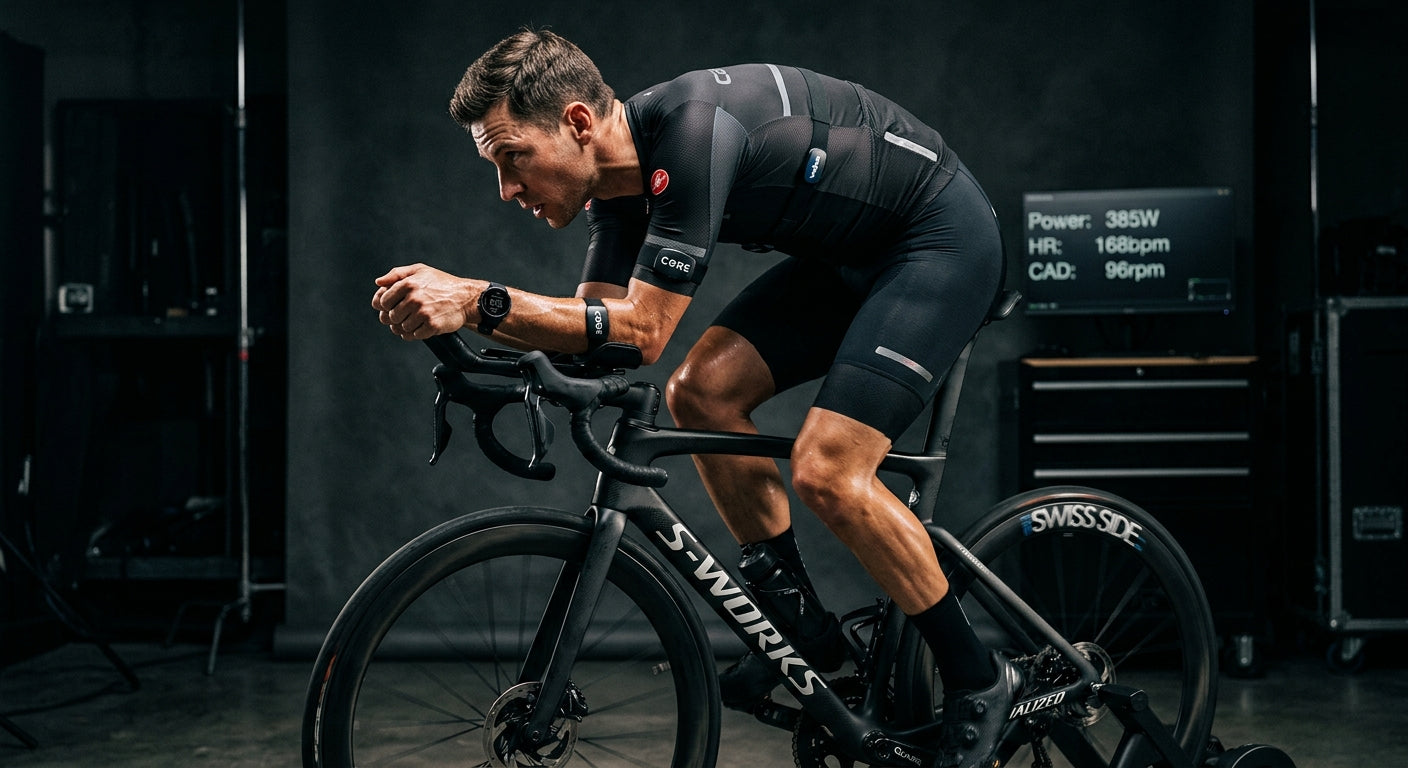
As AI integration improves, we expect ZoneSense to move beyond mere reporting into predictive coaching. Future iterations will likely suggest intensity adjustments mid-workout based on current fatigue levels and glycogen depletion markers. The goal is to create a closed-loop system where the gear tells the athlete precisely when to push and when to recover, effectively preventing overtraining syndrome while maximising performance gains.
Ultimately, the transition from static HR zones to dynamic DDFA tracking is inevitable. For the serious endurance athlete, the ability to train within the precise physiological 'sweet spot' is the difference between a plateau and a personal best. By prioritising data-driven intensity, Suunto is setting a new benchmark for what we should expect from our wearable technology.

