

The Rise of the Hybrid Athlete: Mastering the Balance of Iron and Asphalt


Want to build strength to support your running?
Get targeted strength routines and mobility exercises designed specifically for runners directly on-site. Try asking Raye: 'What are 3 key gym exercises to improve running economy?' Get strength tips
The Rise of the Hybrid Athlete
In the modern era of physical culture, the rigid divide between the pure powerlifter and the dedicated marathon runner is dissolving. We are witnessing the rise of the hybrid athlete, an individual who refuses to be pigeonholed into a single discipline. As your coach, I believe this approach is the ultimate test of human capability. It requires a meticulous balance of strength and stamina, ensuring that you are as comfortable under a heavy barbell as you are on a long-distance road race.
To succeed, you must prioritise recovery and smart programming. It is not merely about doing more; it is about doing the right things at the right time. When you combine heavy lifting with endurance work, you are effectively training two different energy systems. The key is to avoid the trap of 'junk volume' where you overwork your central nervous system without gaining specific physiological adaptations.
Will It Make Me Faster?
A common concern among runners is whether adding heavy resistance training will cause them to gain too much muscle mass, effectively slowing them down. The reality is quite the opposite. When programmed correctly, strength training improves your running economy. By increasing your power-to-weight ratio and strengthening your connective tissues, you create a more resilient chassis. A stronger leg drive means a more efficient stride, which ultimately translates to increased speed over long distances.
Furthermore, heavy lifting acts as a form of injury prevention. The high-impact nature of running demands robust skeletal integrity. By incorporating compound movements like squats and deadlifts, you fortify your joints and ligaments, allowing you to sustain higher training loads without the risk of overuse injuries. You are not just building muscle; you are building a more durable engine that can handle the rigours of intense pavement pounding.
How Long Before I See Improvements?
Consistency is the currency of the hybrid athlete. You should expect to see neurological adaptations within the first four to six weeks. This is the period where your body learns to recruit more muscle fibres, making those initial lifts feel lighter and your running gait feel more fluid. True physiological changes, such as increased mitochondrial density for endurance and hypertrophy for strength, typically manifest after three months of dedicated programming.
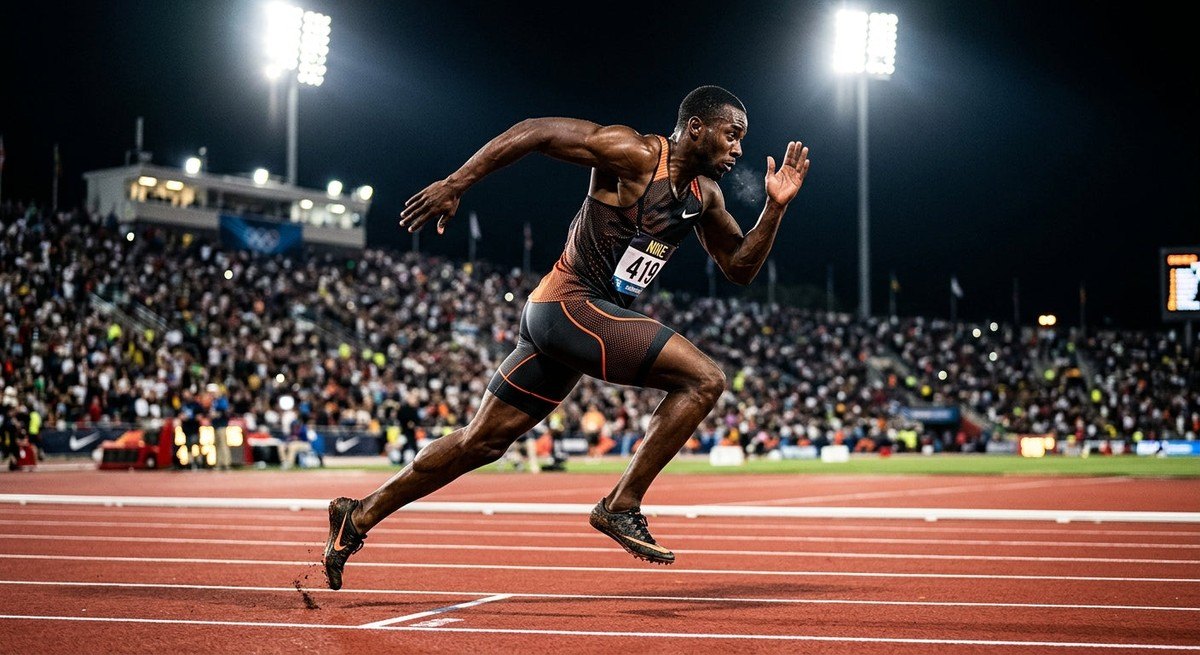
Do not be discouraged if your progress seems linear rather than exponential. The hybrid path is a marathon, not a sprint. You must manage your fatigue levels by alternating high-intensity days with active recovery. If you push too hard on both fronts simultaneously, you risk burnout. Listen to your body, monitor your resting heart rate, and ensure your nutrition supports your elevated caloric expenditure.

Have a specific performance goal in mind?
Get direct feedback on your training targets right here on the page—no sign-up or account required. Try asking Raye: 'How should I adjust my weekly mileage for a sub-20 minute 5K?' Ask about your goals
When selecting your gear, prioritise quality. Look for cross-training apparel that offers moisture-wicking properties for those long sessions on the treadmill or the track, and ensure your footwear provides the stability required for heavy lifting while maintaining the cushioning necessary for middle-distance running. Investing in proper equipment is an investment in your longevity as an athlete.
Ultimately, the hybrid lifestyle is about versatility. It is about being capable of anything life throws at you, from a heavy lifting session in the gym to a spontaneous trail run. By refining your approach to fatigue management and training blocks, you will unlock a level of fitness that is rarely achieved by those who stick to a single lane. Embrace the struggle, focus on your form, and keep pushing your boundaries.
10 Alternative Training Techniques
- Plyometric Jump Training: This involves explosive movements like box jumps and depth jumps to enhance your power output. By training your muscles to exert maximum force in short intervals, you improve your reactive strength. This is essential for runners looking to increase their explosive push-off during a sprint or a steep hill climb.
- High-Intensity Interval Training (HIIT): HIIT alternates between intense bursts of activity and fixed periods of low-intensity recovery. It is highly effective for improving cardiovascular health and burning fat in a short timeframe. For the hybrid athlete, this technique can be used to simulate race-day intensity without requiring the duration of a long run.
- Calisthenics and Bodyweight Mastery: Mastering movements like pull-ups, dips, and muscle-ups builds incredible relative strength. Unlike heavy lifting, which focuses on absolute strength, calisthenics improves your control over your own body mass. This is particularly beneficial for endurance athletes who need to maintain core stability and postural integrity throughout long-duration events.
- Swimming for Active Recovery: Swimming provides a zero-impact environment that promotes blood flow and muscle relaxation. It is the perfect training tool to supplement running, as it works the upper body and core while giving the lower-body joints a much-needed break from the constant pounding of the pavement and the gym floor.
- Kettlebell Flow Circuits: Kettlebell training combines strength and endurance into a seamless movement pattern. By using flowing, continuous motions, you improve your grip strength, shoulder stability, and cardiovascular endurance simultaneously. It is a highly efficient way to manage fatigue while still getting a high-quality stimulus for your posterior chain and core.
- Mobility and Flow Yoga: Yoga is essential for maintaining range of motion in joints that become tight from heavy lifting. It improves your balance, flexibility, and mental focus. By dedicating time to deep stretching and controlled breathing, you ensure that your muscles remain supple and your nervous system stays balanced and recovered.
- Hill Sprints: Hill sprints are arguably the best way to develop both leg strength and cardiovascular capacity. The incline forces you to maintain an upright posture and a high knee drive, which mimics a perfect running form. This technique builds power in the glutes and hamstrings, directly translating to better performance on flat ground.
- Farmer's Carries: This functional movement builds immense core stability and grip strength. By walking with heavy weights in each hand, you train your body to remain stable under load. This is crucial for runners, as it helps maintain an upright torso and prevents the 'slumping' that often occurs when fatigue sets in.
- Rowing Ergometer Training: The rowing machine is a full-body conditioning tool that builds back strength and cardiovascular stamina. Unlike running, it is low-impact, making it an ideal choice for the hybrid athlete who needs to build endurance without adding further stress to their knees and ankles after a heavy squat session.
- Medicine Ball Slams: This is a fantastic exercise for developing explosive core power and releasing tension. The motion requires total body engagement, from the legs to the shoulders. It is an excellent way to finish a training session, ensuring that you have worked your muscles through a dynamic, high-velocity plane of movement.


