

The Brick Session: How to Master the Bike-to-Run Transition


Want to build strength to support your running?
Get targeted strength routines and mobility exercises designed specifically for runners directly on-site. Try asking Raye: 'What are 3 key gym exercises to improve running economy?' Get strength tips
In the high-stakes world of multi-sport racing, the transition from the cycling saddle to the running track is often where podium dreams are realised or dismantled. Known colloquially as the 'brick session', this specific training modality involves performing two disciplines consecutively, typically cycling followed immediately by running, to force the body to adapt to the physiological demands of the transition. When you descend from the bike, your legs often feel like leaden pillars; mastering this sensation is the hallmark of an elite triathlete.
The primary objective of a brick session is to condition your neuromuscular pathways to switch from the high-cadence, seated mechanics of cycling to the high-impact, weight-bearing mechanics of running. This transition requires significant metabolic flexibility and core stability. By repeatedly subjecting your body to this 'heavy-leg' stimulus, you effectively train your central nervous system to ignore the initial fatigue signals and maintain a sustainable pace from the first kilometre.
How can I start out?
For athletes new to the sport, the key is consistency rather than intensity. Begin by incorporating a short, modest brick session into your weekly schedule once every seven days. A classic entry-level session might involve a 45-minute steady-state ride followed immediately by a 10-minute transition run at a conversational pace. This is not the time for speed work; it is a time for habit formation and physiological conditioning.
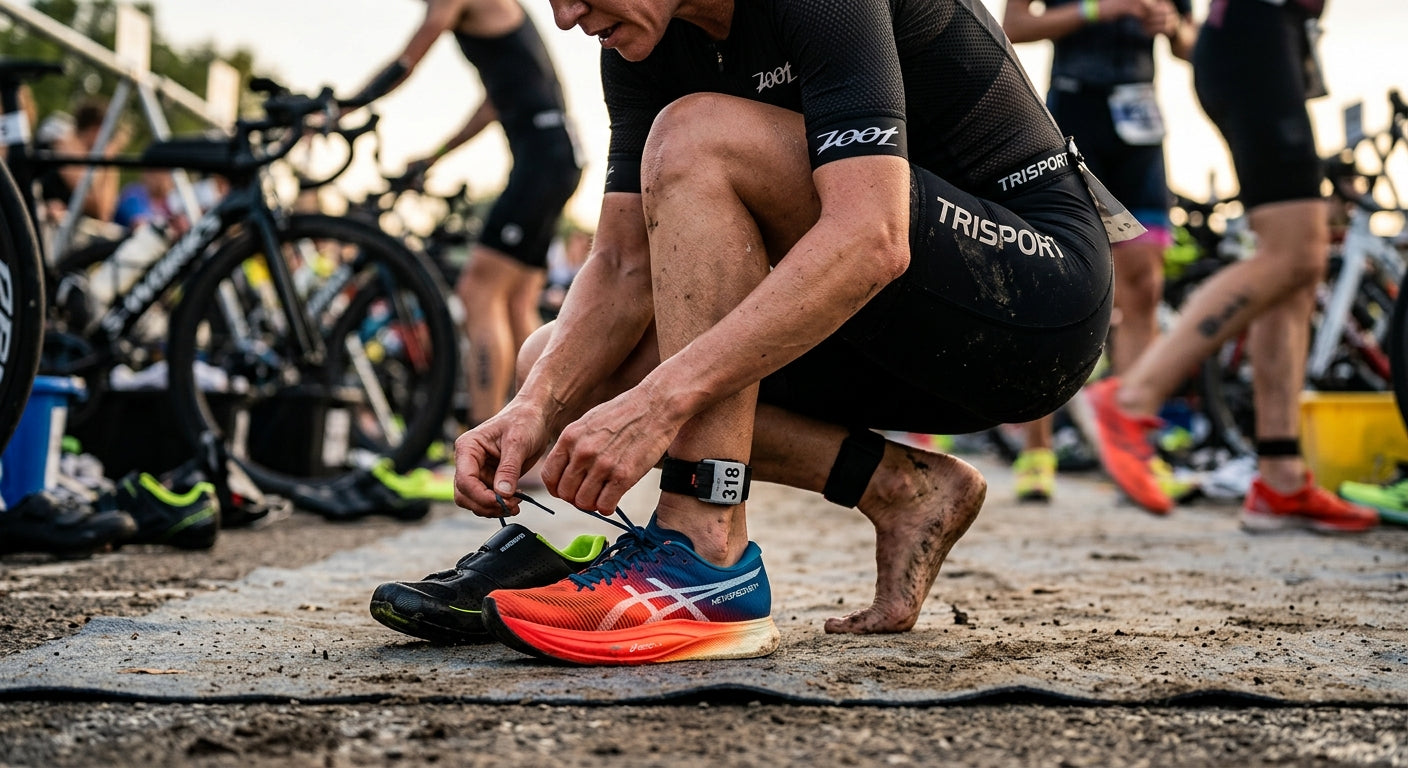
Ensure that your transition area—your 'T2'—is organised before you even begin the bike portion. Practise the art of swapping your cycling shoes for running shoes with efficiency. The goal is to minimise the time spent stationary, as the longer you remain static, the more the blood pools in your lower limbs, exacerbating that heavy-legged feeling. Keep your running gear laid out in a logical sequence to turn the transition into a reflexive, muscle-memory process.
Progression should be methodical. Once you are comfortable with a 10-minute transition run, increase the duration by five minutes each fortnight. Simultaneously, you may choose to increase the intensity of the bike portion, incorporating intervals or hill climbs to elevate your heart rate, thereby simulating the strain of a race-day scenario. Always prioritise form; if your running gait begins to collapse due to fatigue, it is better to finish the session than to risk injury through poor mechanics.
Tips for Improving
To refine your performance, you must shift your focus toward specificity. As you approach the competitive season, incorporate race-pace efforts into your brick sessions. For instance, try a 60-minute ride consisting of three 15-minute blocks at your projected race power, followed immediately by a 20-minute run at your goal race pace. This creates a psychological and physical bridge between training and the demands of the course.

Have a specific performance goal in mind?
Get direct feedback on your training targets right here on the page—no sign-up or account required. Try asking Raye: 'How should I adjust my weekly mileage for a sub-20 minute 5K?' Ask about your goals
Consider the importance of your cycling cadence. Many triathletes make the mistake of grinding a heavy gear at a low cadence during the final few kilometres of the ride. Instead, try to increase your cadence slightly in the final five minutes of the bike leg. This helps to 'flush' the legs and prepares the muscles for the higher-frequency turnover required for running. This simple tactical shift can make the first mile of your run feel significantly more natural.
Nutrition also plays a critical role. Practise your race-day fuelling during these sessions to ensure your stomach can tolerate gels or hydration while moving between disciplines. Experiment with different textures and concentrations to see what your system handles best under the stress of the brick workout. Never trial a new supplement on race day; the brick session is your laboratory for discovery.
Special Features & Technical Specifications
Material Composition
Modern triathlon equipment has evolved to support the rapid transition. Carbon-fibre frames provide the necessary rigidity for power transfer, while advanced synthetic uppers in transition-specific running shoes utilise quick-lace systems to reduce T2 time by up to 30 seconds compared to standard lacing configurations.
Physical Dimensions and Engineering
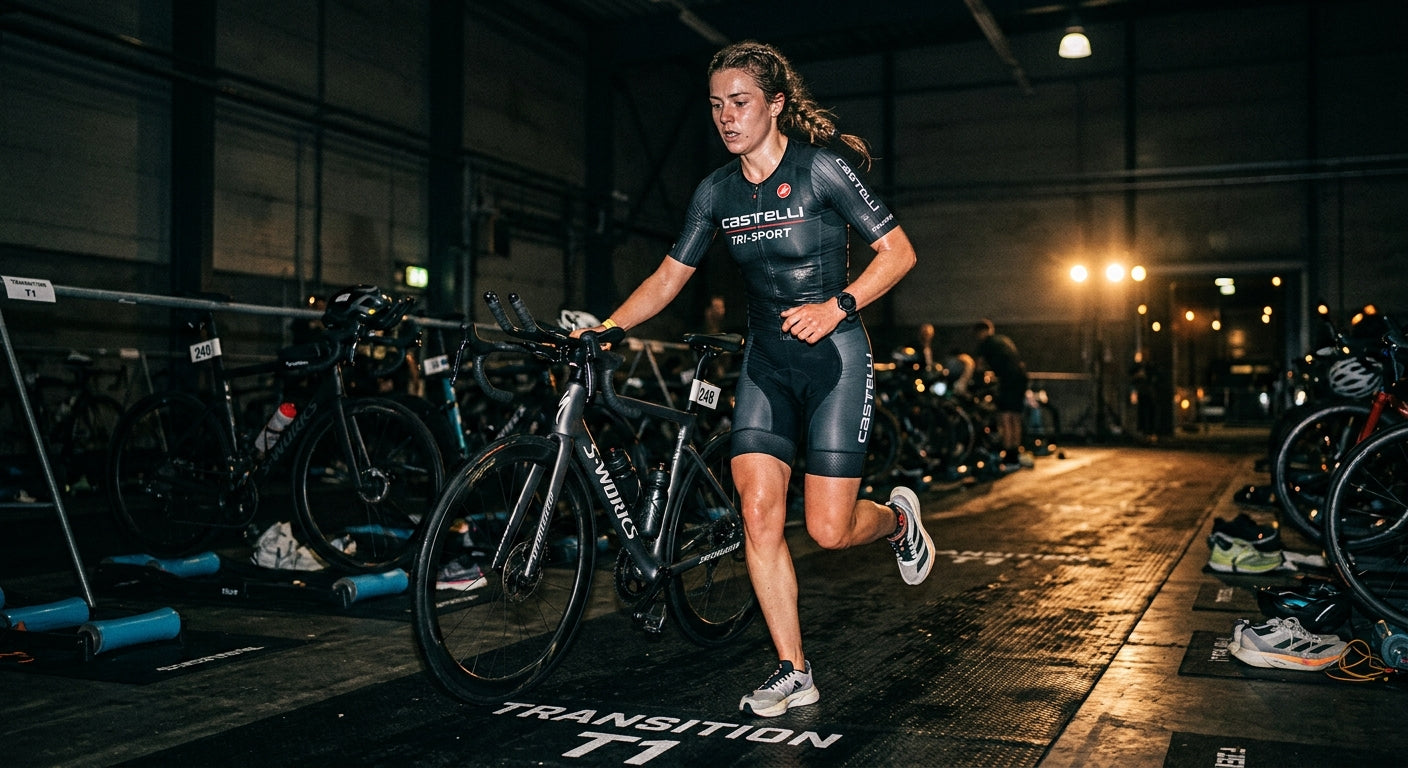
The latest generation of aero-optimised bikes features shortened chainstays for increased agility and a more aggressive seat tube angle. These engineering changes allow for a more open hip angle, which preserves the gluteal muscles for the impending run, a significant departure from the endurance-focused geometries of previous decades.
Equipment Weight
Current professional-grade setups focus on a total system weight reduction of approximately 450 grams compared to five-year-old models. This reduction is achieved primarily through integrated hydration systems and refined carbon layups, ensuring that the athlete carries less inertia into the final transition.
Ultimately, the brick session is about mental resilience. It is the training ground where you learn to embrace the discomfort of the transition. By layering these sessions into a structured, long-term programme, you will find that the transition becomes less of a hurdle and more of a seamless extension of your athletic capability, positioning you to finish your race stronger than the competition.


