

The Role of Heavy Squats in Improving Cycling Sprint Power


Want to build strength to support your running?
Get targeted strength routines and mobility exercises designed specifically for runners directly on-site. Try asking Raye: 'What are 3 key gym exercises to improve running economy?' Get strength tips
The Biomechanical Link to Explosive Power
In the high-stakes environment of professional cycling, the difference between a podium finish and the peloton often comes down to a matter of milliseconds. While cardiovascular efficiency is the bedrock of endurance, the ability to generate explosive torque during a sprint is fundamentally a muscular endeavour. Recent data suggests that heavy resistance training, specifically the back squat, is the missing link for many cyclists looking to shatter their previous power ceilings.
Cycling is a closed-chain movement, yet it is often trained in isolation. By introducing heavy, compound squats, athletes can simulate the high-force production required during a sprint. This training methodology prioritises the recruitment of fast-twitch muscle fibres, which are essential for those final, decisive surges toward the finish line.
How can I start out?
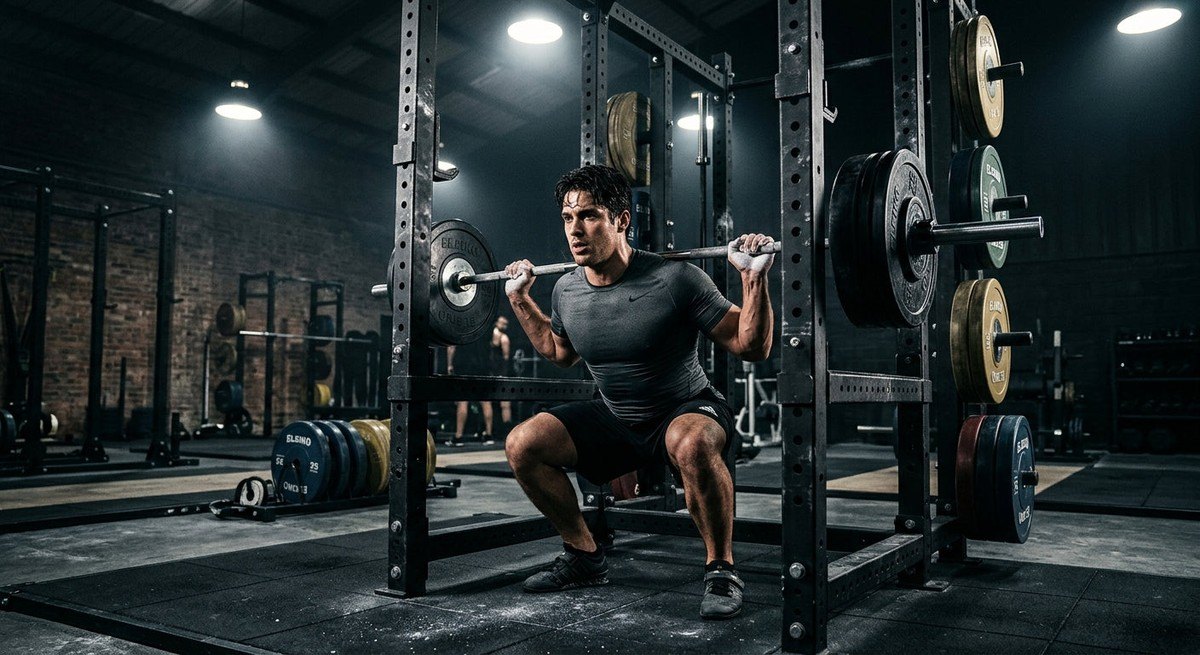
For those unaccustomed to heavy lifting, the transition must be calculated and methodical. Begin by establishing a baseline for your movement patterns with a coach to ensure your technique is impeccable before adding significant external load. Focus on the low-bar or high-bar squat to ensure you are hitting proper depth, which is vital for engaging the gluteal complex and hamstrings effectively.
Prioritise a periodised approach, starting with a hypertrophy phase to build a foundation of muscle mass. Aim for three sets of eight to ten repetitions at a moderate intensity. This phase is crucial for preparing your tendons and ligaments for the heavier loads that will follow in subsequent months. Consistency in your gym sessions is as critical as your time on the bike.
Tips for Improving
Once a foundation is built, transition into a strength-focused phase. Lower your repetition range to three to five reps at a higher percentage of your one-rep maximum. This is where the magic happens; by training the nervous system to recruit more motor units simultaneously, your body learns to produce greater force against the pedals.
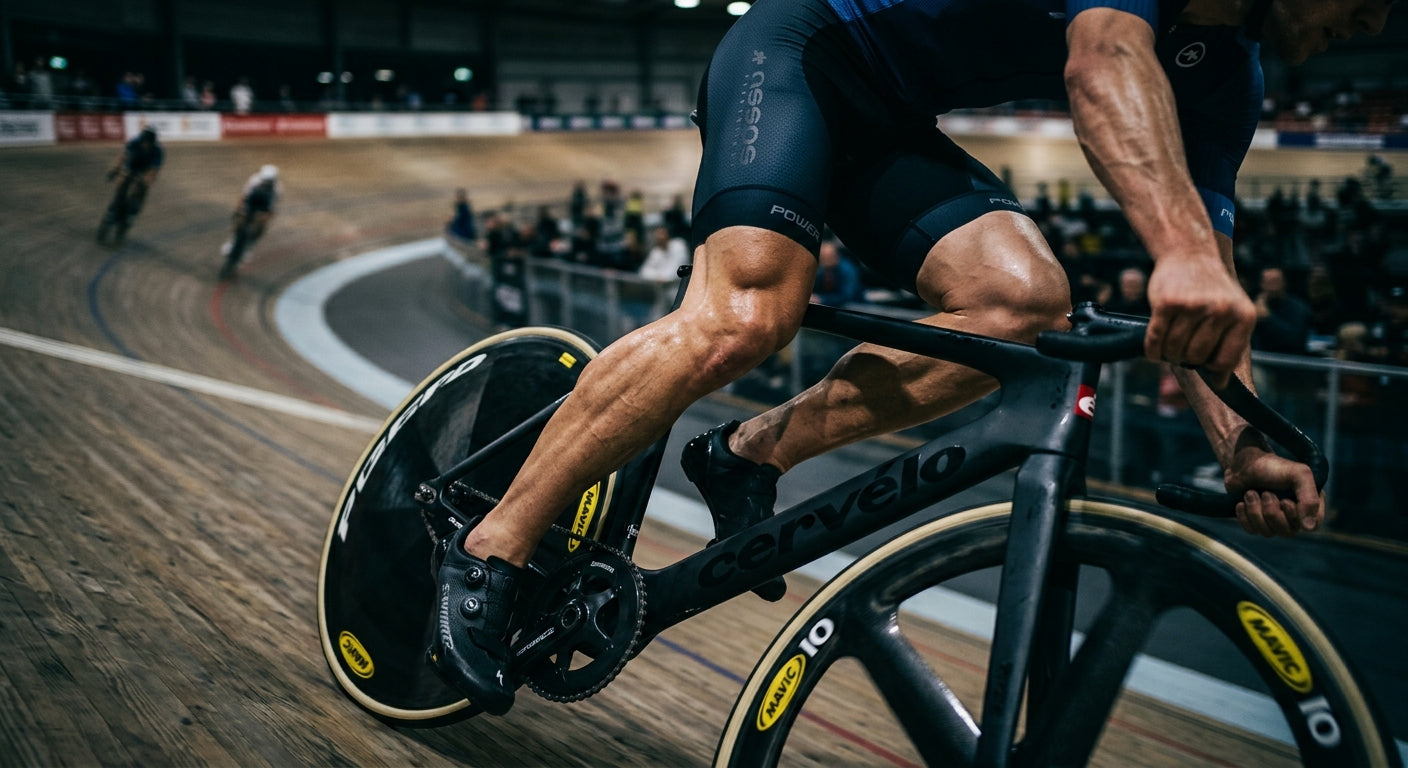
Monitor your recovery rigorously. Heavy squats place immense demand on the central nervous system. Do not attempt to schedule your most intense lifting sessions on the same day as a high-intensity interval training (HIIT) ride. Strategic recovery is what allows the body to adapt and grow stronger, ultimately translating that gym power to the road.
Special Features & Technical Specifications
Material Composition and Engineering
Modern squat training relies on high-quality steel racks and precision-engineered Olympic barbells. Unlike previous iterations of home-gym equipment, contemporary racks are constructed from 11-gauge steel, offering superior structural integrity. The knurling on professional-grade bars has been refined to provide a more secure grip, essential for maintaining form during heavy sets.

Have a specific performance goal in mind?
Get direct feedback on your training targets right here on the page—no sign-up or account required. Try asking Raye: 'How should I adjust my weekly mileage for a sub-20 minute 5K?' Ask about your goals
Physical Dimensions and Load Capacity
Standard power racks now feature a footprint of approximately 120cm by 120cm, ensuring stability under extreme load. These units are rated for weights exceeding 450kg, a significant increase from the 200kg limits of older, residential-grade equipment. This engineering evolution allows athletes to train with the confidence that their equipment can handle the forces required for elite performance.
Structural Evolution
Compared to previous product generations, modern squat racks incorporate adjustable safety pins and J-hooks with nylon lining to protect the barbell finish. These subtle changes reduce the vibration and noise transfer, creating a more focused environment for training. The integration of modular attachments, such as landmine trainers, further enhances the versatility of the setup for unilateral work.
Translating Gym Strength to the Road
The translation of squat strength to cycling power is not merely theoretical. By increasing the force production capacity of the quadriceps and glutes, you reduce the relative intensity of each pedal stroke. This means that at any given wattage, your muscles are working at a lower percentage of their maximum capacity, which preserves your energy reserves for the closing stages of a race.
Furthermore, heavy squats improve overall structural balance and injury resilience. Cycling is inherently repetitive and can lead to muscular imbalances. Strengthening the posterior chain acts as a counterbalance to the over-development of the anterior muscles, protecting the knees and lower back from common overuse injuries associated with high-mileage training.
Ultimately, the objective is to become a more complete athlete. By treating the squat rack as a laboratory for force production, you are not just building larger muscles; you are engineering a more efficient engine. When you combine this newfound power with your existing aerobic capacity, the result is a more formidable, explosive, and resilient cyclist.


