

How to Train for Long Gravel Climbs and Unstable Surfaces


Want to build strength to support your running?
Get targeted strength routines and mobility exercises designed specifically for runners directly on-site. Try asking Raye: 'What are 3 key gym exercises to improve running economy?' Get strength tips
The Anatomy of the Gravel Ascent
The rise of gravel racing has fundamentally shifted the requirements for the modern cyclist. It is no longer enough to possess the aerobic engine of a road racer; one must now combine that stamina with the technical dexterity of a mountain biker. Long, sustained gravel climbs often present surface conditions that change with every passing kilometre, demanding a unique approach to power delivery and mechanical sympathy.
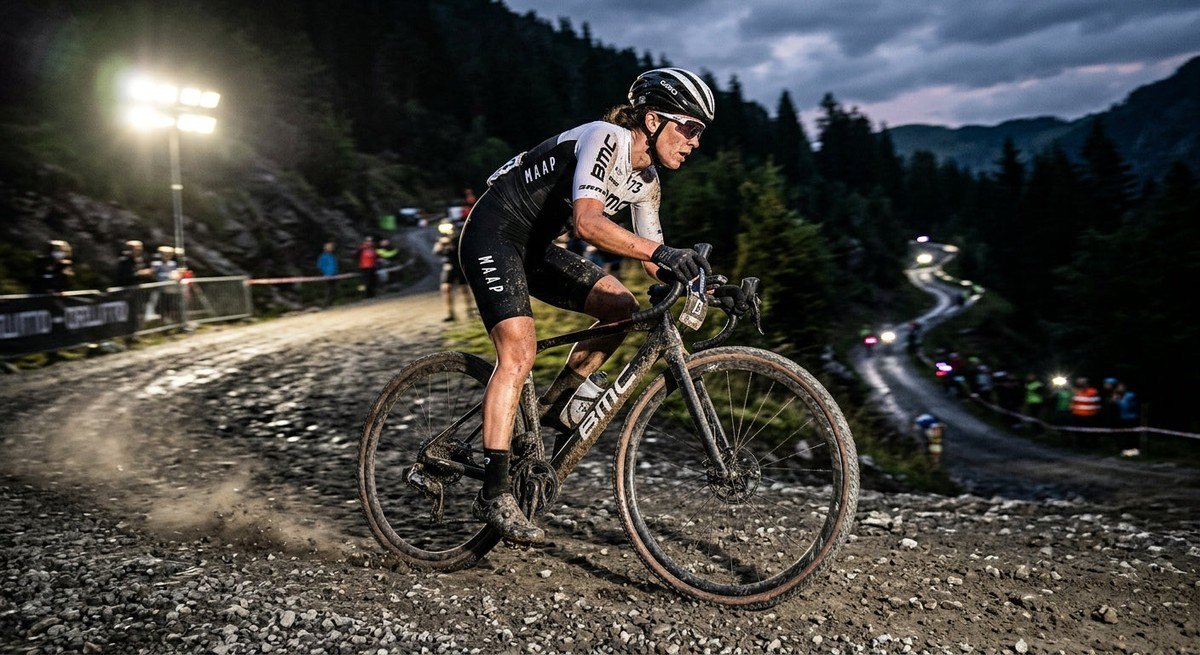
When you encounter a long climb on loose shale or shifting grit, the primary challenge is maintaining traction while managing a high heart rate. Unlike the predictable tarmac of a mountain pass, gravel surfaces require a constant, micro-adjustment of body position to ensure the rear tyre maintains contact with the ground. This is the new frontier of endurance cycling, where the terrain is as much an opponent as the clock.
How can I start out?
To begin your journey into mastering long gravel climbs, you must first prioritise your base fitness. Long-duration endurance rides are essential, but they must be performed on terrain that mimics your goal events. Seek out fire roads, logging tracks, and unpaved ascents that test your ability to hold a steady cadence under variable resistance.
Integration of low-cadence strength intervals is a foundational practice. By training your legs to push larger gears at lower revolutions per minute, you simulate the grinding sensation of soft gravel. Aim for sets of five-minute intervals where you maintain a cadence of 50 to 60 RPM, focusing on keeping your core engaged and your upper body relaxed to absorb vibrations.
Bike handling skills should be practised in a controlled environment before heading to the mountains. Find a flat, loose gravel section and practice standing starts and seated pedalling to understand the limits of your rear tyre grip. Learning to shift your weight forward to prevent the front wheel from wandering is a skill that will pay dividends when the gradient exceeds ten per cent on a loose surface.
Tips for Improving
Improving on unstable surfaces requires a shift in psychological approach. You must learn to embrace the 'micro-slip' of the rear tyre. Panic-braking or sudden surges in power will only lead to a loss of momentum and likely a dismount. Keep your pedalling stroke smooth and circular, ensuring that you apply consistent torque throughout the entire revolution.
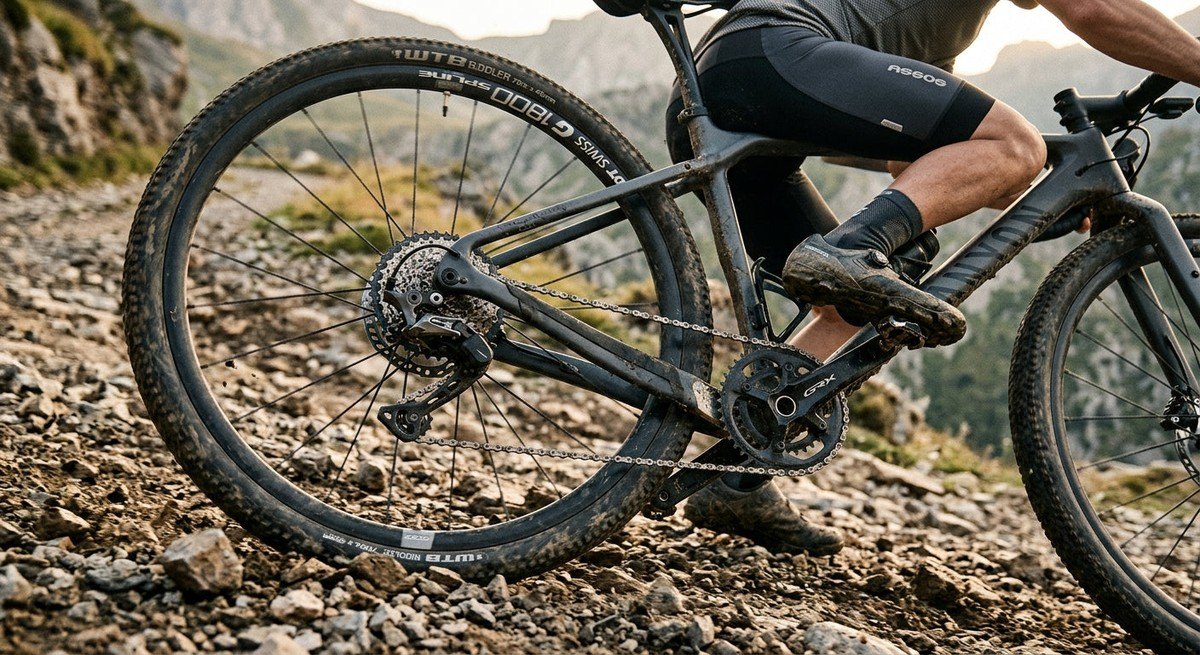
Tyre pressure is perhaps the most critical variable in your success. Many riders make the mistake of running pressures that are too high, which causes the bike to bounce over loose rocks rather than conforming to them. Experiment with tubeless setups that allow for lower pressures, increasing the contact patch and improving grip on steep, loose inclines.

Have a specific performance goal in mind?
Get direct feedback on your training targets right here on the page—no sign-up or account required. Try asking Raye: 'How should I adjust my weekly mileage for a sub-20 minute 5K?' Ask about your goals
Finally, your line choice is paramount. On a long climb, look twenty metres ahead rather than at your front wheel. Identify the smoothest, most compacted line, and be prepared to adjust your path if a section looks too loose. A well-chosen line can mean the difference between clearing a climb and having to walk.
Special Features & Technical Specifications
Material Composition and Engineering
Modern gravel frames have evolved to prioritise vertical compliance without sacrificing lateral stiffness. The use of advanced carbon fibre layups allows engineers to tune the frame to dampen high-frequency vibrations from loose gravel, reducing rider fatigue over long-distance events. These frames are designed to withstand the unique torsional stresses of riding on uneven, shifting ground.
Physical Dimensions and Weight
Current generation gravel bikes typically feature a longer wheelbase and a slacker head tube angle compared to traditional road machines. This geometry provides enhanced stability on technical descents and loose climbs. Most high-performance gravel bikes now weigh between 7.5 and 9 kilograms, a significant reduction from the steel-framed ancestors of the discipline, allowing for faster acceleration on steep pitches.
Evolution of Componentry
The transition to 1x drivetrains has been a game-changer for gravel racing. By removing the front derailleur, engineers have created more clearance for wider tyres, which are essential for navigating loose surfaces. Furthermore, the integration of hydraulic disc brakes with larger rotors ensures reliable stopping power in wet, dusty, or muddy conditions, providing the rider with the confidence to tackle technical descents at speed.


