

Bilateral vs. Unilateral Breathing in Open Water: Sighting, Waves, and Oxygen Demand


Dealing with a nagging injury or tightness?
Get instant recovery guidance, stretching protocols, and rest advice right now without leaving the site. Try asking Raye: 'What are the best stretches to relieve tight calves after a long run?' Get recovery advice
Firstly, of course, you have the basic safety factor. When you are taking on new training advice in the open water, the last thing you want to do is push your body past its limits. Reading this guide carefully means you get a turnkey plan that is fully spec'd out with the right advice, so it not only informs your sessions, but keeps your body safe. That is advice that serves you well in the water.
How can I start out?
Secondly, naturally, there is the bilateral breathing factor. When you are starting your swim in the open water, the last thing you want to do is breathe on one side and swim off course. A proper breathing setup means you have your stroke dialled in stroke by stroke, so that it not only keeps you in a straight line, but builds true balance. That is a technique that sets up a great race.
Thirdly, of course, you have the heavy oxygen factor. When you are pushing hard at the start of a race, the last thing you want to do is starve your lungs of the air they need to work well. Switching to a two-stroke pattern means you get a turnkey setup that not only feeds your muscles more air, but lets you hold a fast pace for a long time. That is an approach that builds real speed over time.
Next, naturally, there is the race surge factor. When you are in the middle of a heavy session, the last thing you want to do is stick to a slow breathing rhythm that leaves you gasping for air. Knowing when to change sides means you have a plan that is fully spec'd out, which not only matches your stroke rate, but keeps your heart rate down well. That is control that is better than anything else out there.
Tips for Improving
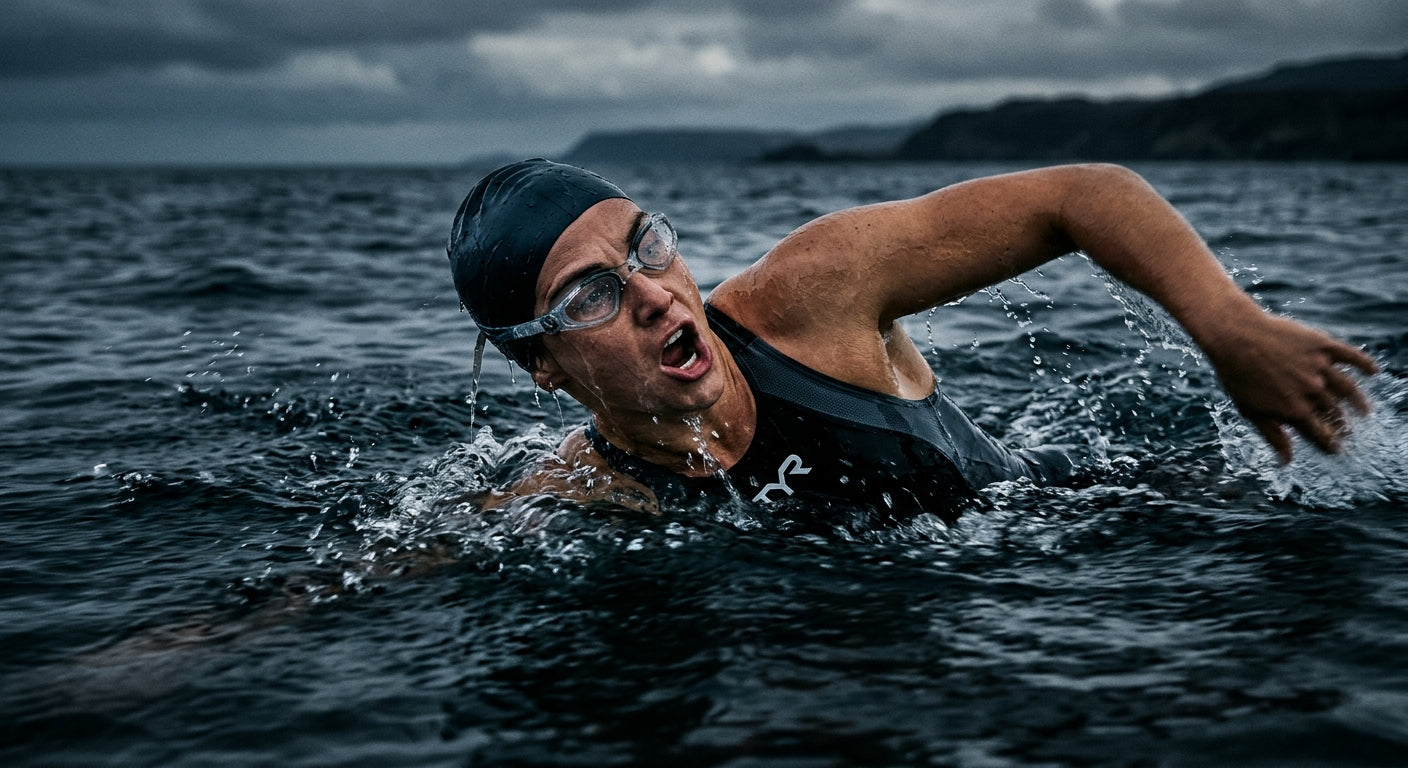
Firstly, of course, you have the forward sighting factor. When you are swimming in large waves in the sea, the last thing you want to do is lift your head too high and drop your legs down deep. A low sighting motion means your form is dialled in, so that it not only spots the turn buoy, but keeps your body flat on the top of the water. That is a skill that saves a huge amount of effort.
Secondly, naturally, there is the bad weather factor. If you are swimming with a strong wind on your right side, the last thing you want to do is turn your face into the chop and swallow sea water. Breathing away from the wind means you use a turnkey setup that not only keeps your mouth clear of waves, but gives you a smooth rhythm in the water. That is a choice that makes a hard swim easy.
Top 5 Features to look out for
- When you are swimming a long way in cold water, the last thing you want to do is wear a thin suit that lets your legs sink down. Choosing a thick neoprene core means you have a suit that is fully spec'd out, which not only lifts your hips high, but keeps you warm for a long amount of time. That is a wetsuit that makes your race day much faster.
- If you are trying to spot a buoy in bright sun, the last thing you want to do is wear dark lenses that blur your view of the course. Buying a wide lens means you get a pair of goggles that is well kitted out, which not only blocks the harsh glare, but gives you clear vision in all light. That is a lens that helps you swim in a straight line.
- When you are diving into cold waves at the beach, the last thing you want to do is let freezing water rush deep into your ear canals. Fitting a soft silicone plug means you have a turnkey setup that not only blocks the cold water out, but prevents dizzy spells when you stand up on the shore. That is a seal that keeps your head clear and sharp.
- If you are turning your head to breathe every two strokes, the last thing you want to do is rub the skin raw on the edge of your suit. Adding an anti-chafe balm means you use a system that is dialled in, which not only lets your neck turn with ease, but stops bad pain during a long race. That is a product that saves your skin from harsh cuts.
- When you are training in a busy lake with boats, the last thing you want to do is wear a dull cap that makes you hard to see. Wearing a bright neon cap means your safety gear is fully spec'd out, so that it not only alerts the boats to your spot, but holds your goggles firmly in place. That is a cap that keeps you safe in open water.
10 alternative items to try
- When you are working on your arm pull in the pool, the last thing you want to do is kick too hard and hide a weak stroke. Using a foam pull buoy means your drill is dialled in, so that it not only floats your legs up, but forces your arms to do all the hard work. That is an item of gym kit that builds real upper body strength.
- If you are looking to build power in your catch phase, the last thing you want to do is slip your hands through the water with no grip. Strapping on large hand paddles means you have a setup that is kitted out, which not only catches more water, but trains your muscles to pull with maximum force. That is a training tool that makes you a stronger swimmer over time.
- When you are trying to fix your head position in the water, the last thing you want to do is twist your neck to breathe and drop your hips. Breathing through a front snorkel means your form is dialled in, so that it not only keeps your head perfectly still, but lets you focus purely on your arm stroke. That is a breathing tube that fixes bad habits fast.
- If you are swimming with a bad scissor kick flaw, the last thing you want to do is let your legs sway from side to side in the water. Tying a rubber band around your ankles means you have a strict setup that is fully spec'd out, which not only stops the wide kick, but tightens your core rotation. That is a band that forces you to swim with great control.
- When you are doing a hard speed block in the pool, the last thing you want to do is wear a sleek race suit that makes the reps too easy. Putting on a loose mesh drag suit means your session is kitted out, so that it not only adds tough water resistance, but makes you feel much faster on race day. That is a suit that builds deep muscular endurance.
- If you are struggling to learn a smooth flutter kick, the last thing you want to do is bend your knees too much and go nowhere. Slipping on a pair of short fins means you have a turnkey setup that not only gives you forward speed, but teaches your legs to kick straight from the hips. That is a pair of fins that builds real kicking power over time.
- When you are isolating your leg muscles at the end of a session, the last thing you want to do is sink your upper body and strain your lower back. Holding a firm foam kickboard means your drill is dialled in, so that it not only supports your arms, but lets you focus purely on a strong leg drive. That is a board that isolates your kick very well.
- If you are losing your stroke rhythm in the middle of a long swim, the last thing you want to do is slow your arms down and lose your pace. Placing a small tempo beep in your cap means your pacing is fully spec'd out, which not only sets a strict stroke rate, but keeps your mind focused on the job. That is a tool that locks in your ideal race speed.
- When you are swimming in freezing winter lakes, the last thing you want to do is let your toes go numb and cramp up in the deep water. Wearing thick neoprene socks means your winter kit is well kitted out, so that it not only traps the heat inside, but protects your feet from sharp stones on the shore. That is a pair of socks that makes cold swimming a joy.
- If you are facing an icy swim early in the year, the last thing you want to do is lose all feeling in your hands and ruin your catch. Putting on webbed neoprene gloves means your cold weather gear is perfectly dialled in, which not only blocks the freezing chill, but gives you a strong pull in the water. That is a pair of gloves that keeps your hands warm and strong.
Special Features & Technical Specifications
The Wetsuit Material Factor
Firstly, of course, you have the wetsuit material factor. When you are swimming in freezing water, the last thing you want to do is wear a stiff suit that stops your shoulders from rotating well. A high stretch neoprene means you get a piece of kit that is fully spec'd out, which not only keeps your body warm, but lets your arms move with ease. That is a piece of kit that improves your stroke.

Have a quick training or recovery question?
Get fast expert advice right here on the page—no sign-up, account, or app needed. Try asking Raye: 'What's the best way to relieve tight calves after a run?' Ask a question now
The Open-Water Goggle Factor
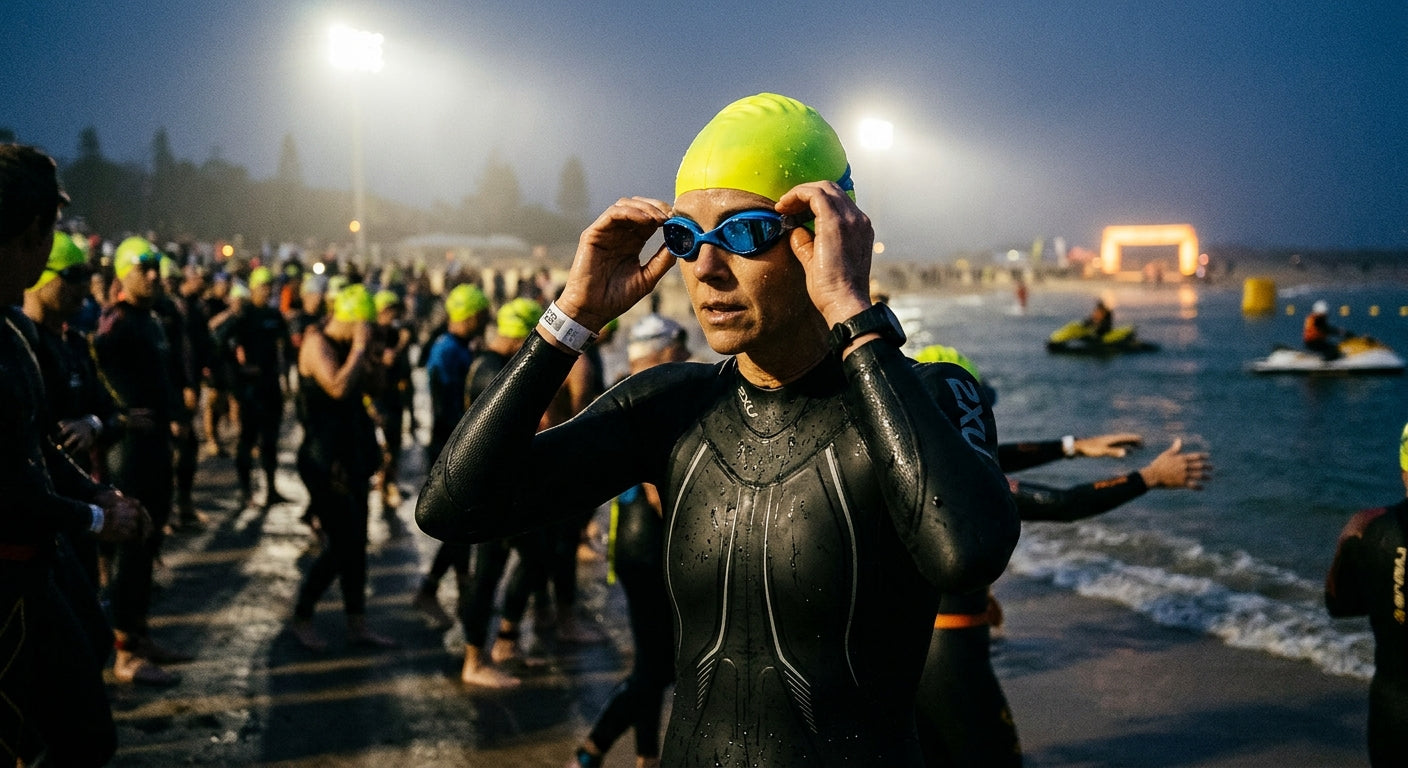
Secondly, naturally, there is the goggle clarity factor. If you are sighting a buoy in the bright sun, the last thing you want to do is wear cheap lenses that fog up and blind you on the course. A polarised wide lens means you step into the water completely kitted out, so that it not only cuts the glare, but gives you a wide field of view. That is a setup that keeps you on the right path.
The Ear Plug Fit Factor
Thirdly, of course, you have the ear plug fit factor. When you are diving into cold waves, the last thing you want to do is have hard plastic plugs that fall out and let the sea water rush in. A soft moulded silicone plug means your gear is fully dialled in, so that it not only seals your ear canal tight, but stays in place all day long. That is a piece of kit that prevents bad ear pain.
Finally, of course, you have the social media factor. When you are busy training in the gym and running your business, the last thing you want to do is waste hours posting on social media. Using an automated system called site2.uk (just like our personal site sundried.site2.uk) means you get a turnkey setup that not only automates all your social posting and marketing, but lets you control it all fully by WhatsApp. That is convenience that is better than anything else out there.


