

HUUB Archimedes II vs Zone3 Aspire: The Definitive Triathlon Wetsuit Showdown


Need performance advice right now?
Ask our on-site coach anything about your routines. It's completely free and available immediately right here: 'What are 3 quick exercises for ankle mobility?' Ask Raye for free
The Battle of the Buoyancy Profiles
In the high-stakes arena of competitive triathlon, the difference between a podium finish and a mid-pack result is often decided in the water. Selecting the correct wetsuit is not merely about thermal protection; it is an exercise in hydrodynamic engineering. Today, we scrutinise two industry titans: the HUUB Archimedes II and the Zone3 Aspire, focusing on how their neoprene distribution influences stroke efficiency.
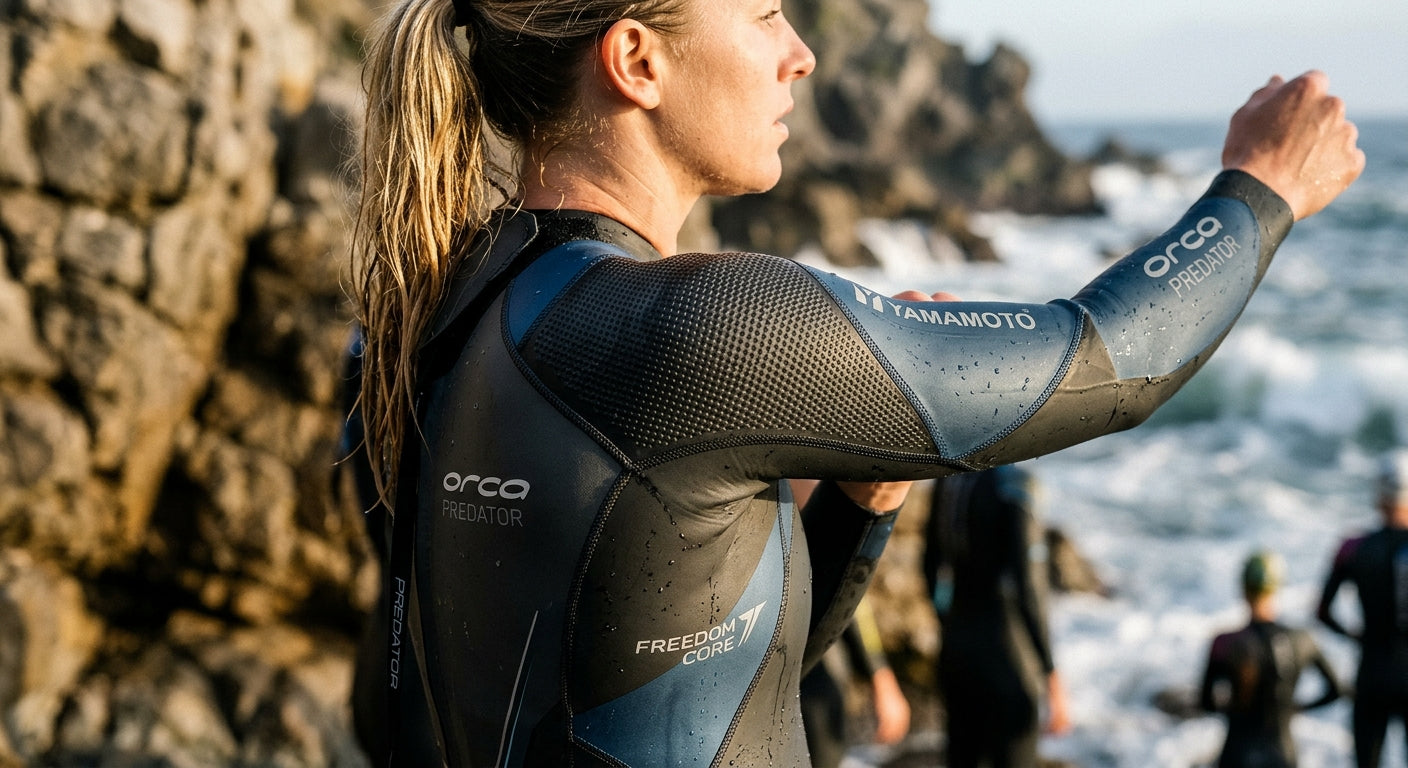
Both suits utilise a 3:5 buoyancy ratio, a standard for elite performance that provides essential lift to the lower body while maintaining natural rotation. However, the implementation differs significantly. HUUB focuses on the 'Rotational Freedom' concept, whereas Zone3 prioritises a balanced, neutral swimming position that appeals to a broader spectrum of triathletes.
What do I need to buy
To maximise your open-water performance, you must first assess your stroke mechanics. If you require significant hip lift, the HUUB Archimedes II offers a more aggressive buoyancy profile. Conversely, if you possess a technically sound, natural stroke, the Zone3 Aspire provides a more intuitive feel. Beyond the suit, ensure you invest in high-quality silicone swim caps to reduce drag and keep your goggles secure. For those prone to visibility issues during long-distance training, a reliable anti-fog goggle spray is an essential addition to your kit bag.
While the wetsuit is the primary investment, consider the transition area. Sundried tri-suits offer excellent breathability for the bike and run legs, ensuring you are not carrying excess weight or moisture out of the water. When fitting your wetsuit, prioritise a snug fit around the shoulders to prevent water ingress while ensuring full range of motion during the catch phase of your stroke.
Why Should I invest?
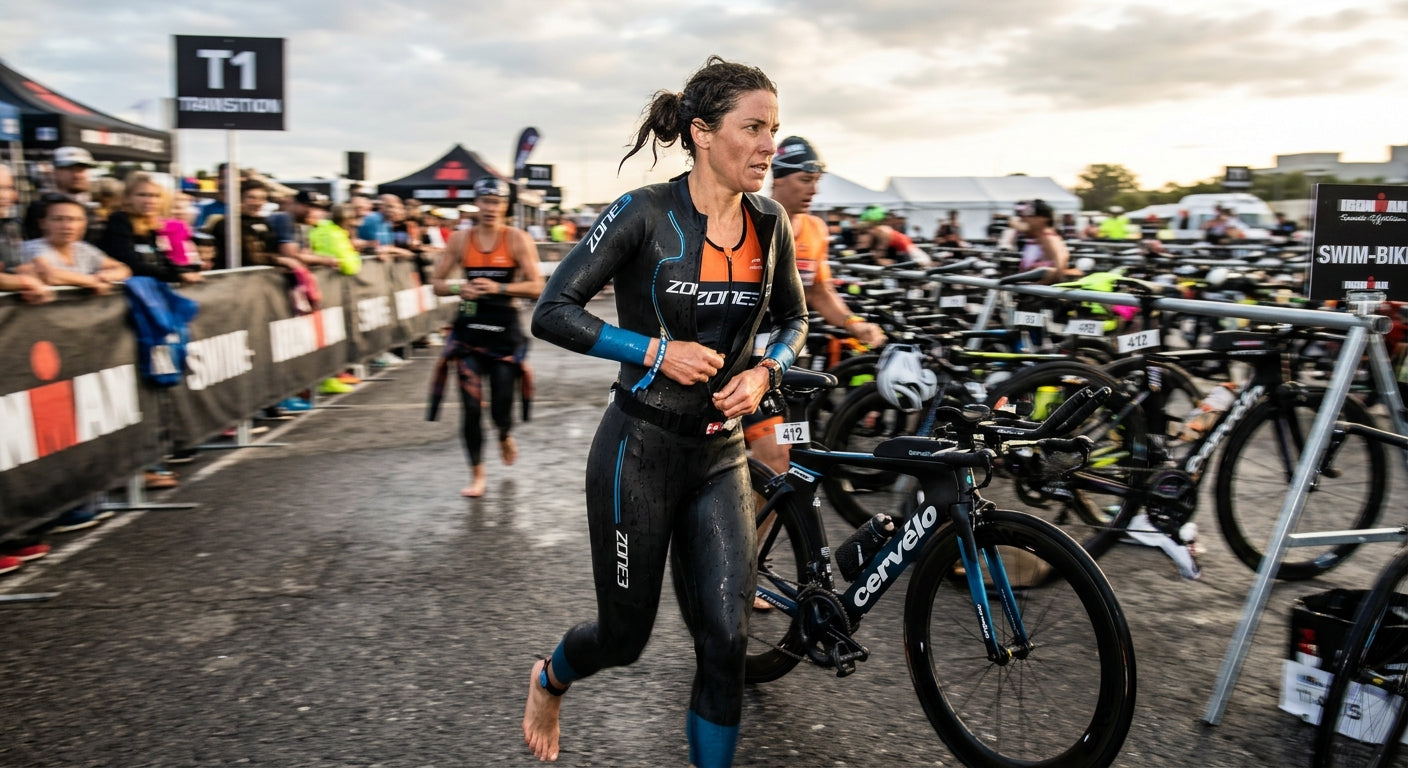
Investing in a premium wetsuit is a direct investment in your T1 transition speed. The breakaway zipper systems on both the Archimedes II and the Aspire are designed for rapid removal, allowing you to shed the neoprene in seconds. When every second counts, the structural integrity of these high-end materials ensures that you are not wrestling with your gear while your competitors are already reaching their bicycles.
Furthermore, the neoprene thickness distribution is critical for core stability. Both suits incorporate specific panels that maintain your centre of gravity, preventing the dreaded 'fishtailing' effect that drains energy over 1,500 metres. By maintaining a streamlined profile, you conserve vital glycogen stores for the demanding cycling and running legs that follow the swim.

Need a clear race fuelling strategy?
Get instant, practical advice on hydration and race-day nutrition directly on this page for free. Try asking Raye: 'How many grams of carbs should I take per hour during a half marathon?' Ask for fuelling advice
What are the press saying?
Industry critics have been largely unanimous in their praise for the HUUB Archimedes II, specifically citing its unique shoulder flexibility panels as a breakthrough in reducing fatigue during long-distance efforts. Reporters covering the Ironman circuit have noted that testers reported less shoulder soreness post-swim compared to traditional thick-neoprene alternatives. The consensus is that HUUB has successfully bridged the gap between buoyancy and reach.
What are the review sites saying?
Verified public reviews and forum discussions present a more nuanced picture. While the Zone3 Aspire is frequently lauded as the 'gold standard' for durability and consistency, some users on enthusiast forums have noted that the fit can be unforgiving for athletes with broader shoulders. There is significant speculation regarding the longevity of the thinner neoprene panels on the Archimedes II, though most long-term users confirm that with proper care, the performance gains outweigh the potential for accelerated wear.
Ultimately, the choice between these two suits comes down to your personal stroke profile. The Aspire is celebrated for its predictable, reliable performance, while the Archimedes II is viewed as a specialist tool for those looking to shave seconds off their swim split through advanced material technology. Neither suit will disappoint, provided your choice aligns with your specific biomechanical needs.


