

Form Smart Swim Goggles 2 vs Swimovate PoolMate 2: The Future of Lap Tracking


Dealing with a nagging injury or tightness?
Get instant recovery guidance, stretching protocols, and rest advice right now without leaving the site. Try asking Raye: 'What are the best stretches to relieve tight calves after a long run?' Get recovery advice
The Evolution of Aquatic Metrics
For the modern triathlete or dedicated lap swimmer, the ability to track performance in real-time has transitioned from a luxury to a necessity. As the discipline of swimming shifts towards data-driven training, two distinct philosophies have emerged: the immersive augmented reality (AR) experience of the Form Smart Swim Goggles 2 and the tried-and-tested, wrist-mounted reliability of the Swimovate PoolMate 2. Both devices aim to solve the perennial problem of losing count during long-distance sets, yet they approach the solution from polar opposite directions.
The Form Smart Swim Goggles 2 represent a paradigm shift in sports technology. By integrating a heads-up display directly into the lens, swimmers can monitor their pace, stroke rate, and heart rate without interrupting their stroke cycle. This is a significant leap forward for those who struggle to maintain intensity when stopping to glance at a pace clock. For athletes aiming to optimise their training, this level of granularity is unparalleled.
Conversely, the Swimovate PoolMate 2 remains a stalwart of the industry. It functions as a specialised wristwatch that relies on sophisticated accelerometers to track laps, strokes, and efficiency. While it lacks the visual immediacy of an AR display, it offers a robust, no-nonsense approach to data collection that has earned the trust of the swimming community for over a decade. It is the pragmatic choice for those who prefer their metrics delivered post-session rather than in the heat of the moment.
What do I need to buy
To fully integrate these tools into your routine, you must first assess your specific training environment. For the Form Goggles, you will require the goggles themselves, a subscription to their proprietary training platform—which provides guided workouts—and a compatible heart rate sensor if you wish to track intensity. Do not forget to pair your gear with high-quality equipment, such as Sundried swim trunks or a sleek one-piece swimsuit, to ensure your drag is minimised while you focus on your metrics.
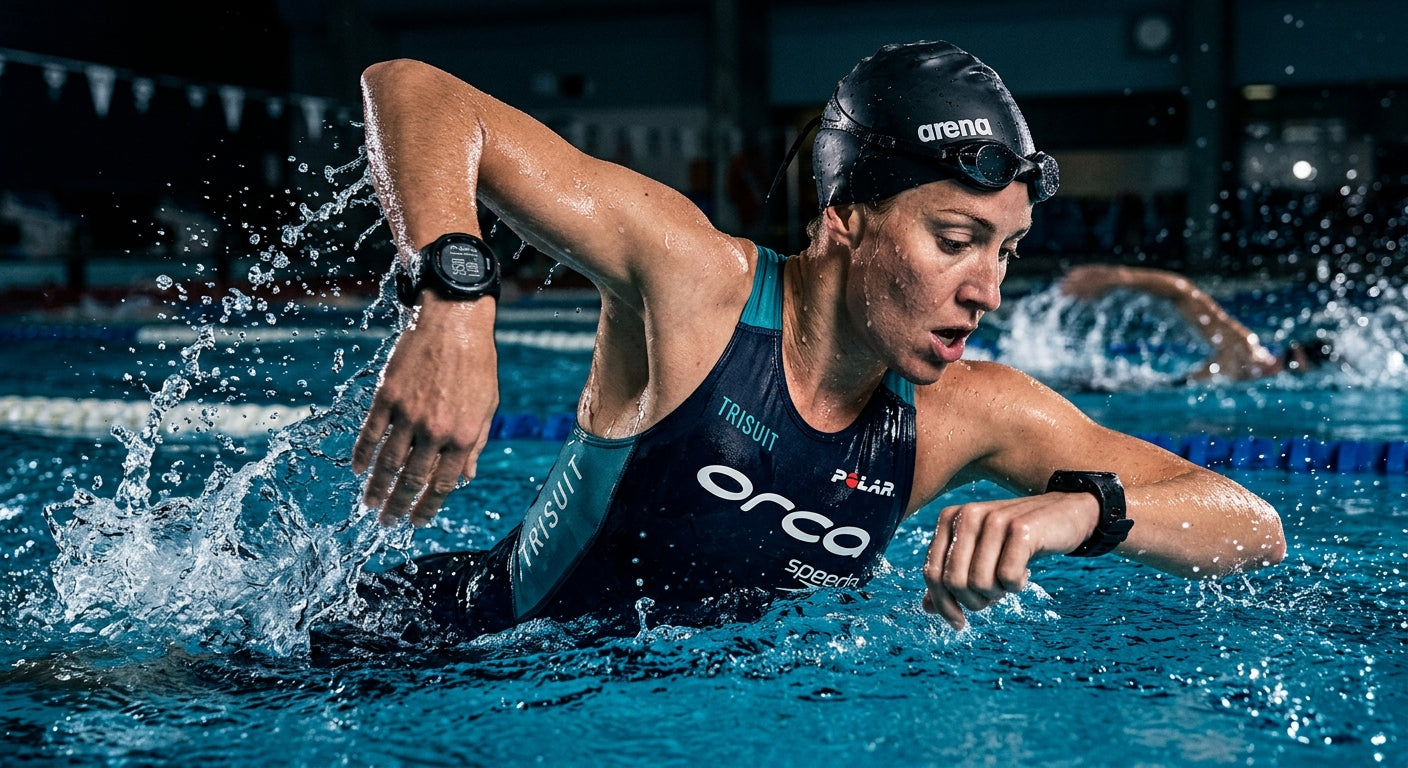
If you opt for the PoolMate 2, the purchase is straightforward. You receive the watch unit, which is ready to use out of the box. However, consistent tracking requires a disciplined approach to lap counting. You will also want to keep a microfibre gym towel in your kit bag for quick drying post-session, as managing your gear efficiently is just as important as the data you collect. Both ecosystems require a commitment to regular firmware updates and diligent maintenance of the sensors.

Have a quick training or recovery question?
Get fast expert advice right here on the page—no sign-up, account, or app needed. Try asking Raye: 'What's the best way to relieve tight calves after a run?' Ask a question now
Why Should I invest?
Investing in either of these technologies is an investment in your athletic trajectory. The Form Goggles allow for immediate mid-lap corrections; if you see your pace slipping, you can adjust your effort instantly. This real-time feedback loop is essential for building the muscular memory required for competitive racing. It turns a monotonous set into an interactive, engaging experience.
The PoolMate 2, however, is an investment in long-term performance analytics. By providing consistent data over months and years, it allows you to identify trends in your fitness that a single session cannot reveal. It is the tool of the analytical athlete who values historical context over immediate visual gratification. Both devices effectively eliminate the human error of miscounting laps, allowing you to focus entirely on technique and endurance.
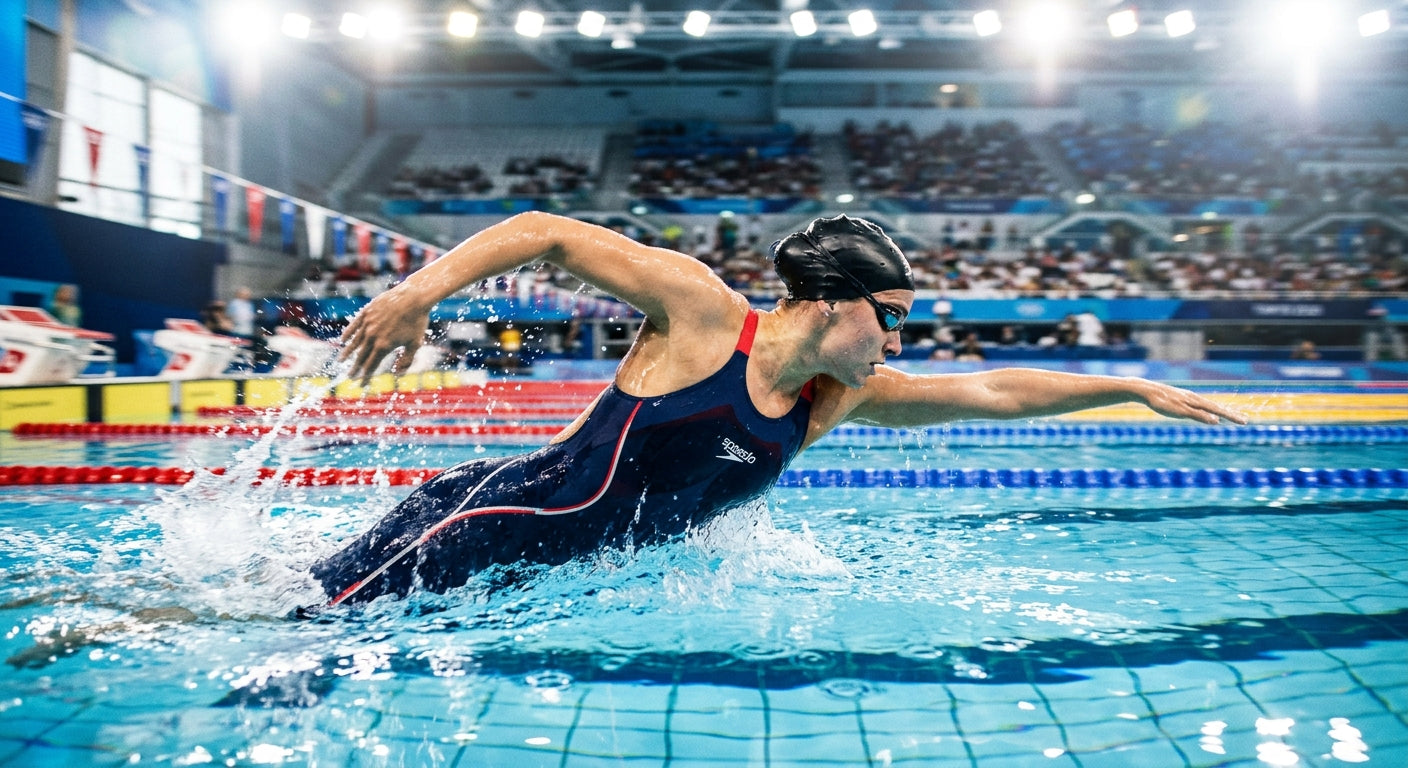
What are the press saying?
Critics have lauded the Form Goggles 2 for their 'seamless' integration, with many tech reviewers highlighting the brightness and clarity of the heads-up display even in murky pool water. Journalism outlets have noted that the goggles feel like a genuine 'game-changer' for triathletes, though some have raised questions regarding the long-term battery life and the proprietary nature of the software ecosystem. It is a confirmed fact that the optics are vastly improved over the first generation, though rumours persist regarding a future integration with third-party cycling computers.
What are the review sites saying?
Verified public reviews of the Swimovate PoolMate 2 often focus on its 'indestructibility.' Users frequently praise its battery longevity, which can last for months, and its ability to function without the need for constant software syncing. While some forum users speculate that the technology is becoming 'dated' compared to modern smartwatches, the consensus remains that for pure lap counting, it is the most reliable tool available. Critics agree that the PoolMate 2 is the better value for money, whereas the Form Goggles are the superior choice for high-performance training.
Ultimately, the choice between these two devices boils down to your training philosophy. If you crave instant data and the ability to adjust your output on the fly, the Form Goggles provide an unmatched, futuristic experience. If you prefer a rugged, reliable tool that records your progress without adding complexity to your swim, the PoolMate 2 is the standard-bearer for traditional lap tracking. Both devices serve to elevate your training, ensuring that every length counts towards your ultimate athletic goal.


