

Hooked vs. Hookless Rims in 2026: Safety and Performance Tested


Want to build strength to support your running?
Get targeted strength routines and mobility exercises designed specifically for runners directly on-site. Try asking Raye: 'What are 3 key gym exercises to improve running economy?' Get strength tips
The Evolution of Rim Architecture
As we navigate the 2026 cycling season, the debate surrounding rim geometry has reached a fever pitch. The shift towards hookless rim profiles—designed originally for automotive applications—has fundamentally altered how we approach tyre-rim interface integrity. For the modern cyclist, understanding the nuances between traditional hooked rims and their hookless counterparts is no longer an optional technicality; it is a prerequisite for safety and performance.
Hookless rims feature straight side walls, relying on precise manufacturing tolerances to secure the tyre bead. Conversely, hooked rims incorporate a small inward-facing flange that physically locks the tyre into position. This structural divergence creates a significant ripple effect in ride quality, pressure management, and overall system weight.
What do I need to buy
Upgrading your wheelset requires careful consideration of compatibility. If you opt for a hookless setup, you must purchase tyres specifically labelled as 'hookless compatible' or 'TC' (Tubeless Compatible). These tyres feature reinforced, non-stretchable beads capable of maintaining a seal under high lateral loads without the mechanical assistance of a hook.
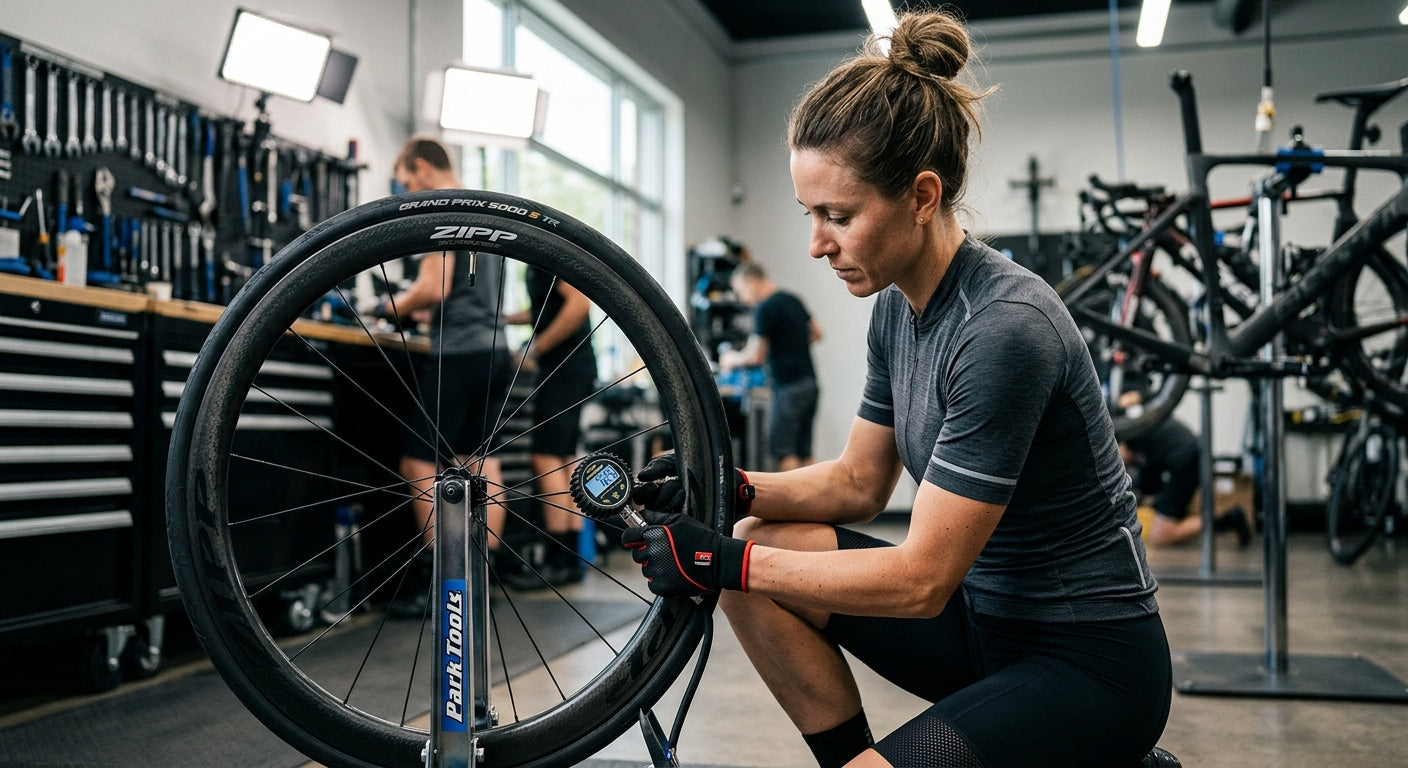
You will also need a high-precision digital pressure gauge. Because hookless systems are sensitive to pressure fluctuations, operating within the manufacturer’s specified range—typically capped at 5.0 bar for road applications—is mandatory. Neglecting this measurement can lead to catastrophic bead failure, particularly on uneven road surfaces where impact forces are magnified.
Why Should I invest?
The primary argument for the hookless transition is aerodynamic efficiency. By eliminating the hook, engineers can create a more seamless transition between the rim wall and the tyre sidewall. This reduction in turbulence at the leading edge translates to measurable watt savings at high speeds. Furthermore, the manufacturing process for hookless rims is generally more refined, leading to lighter overall wheel weights.
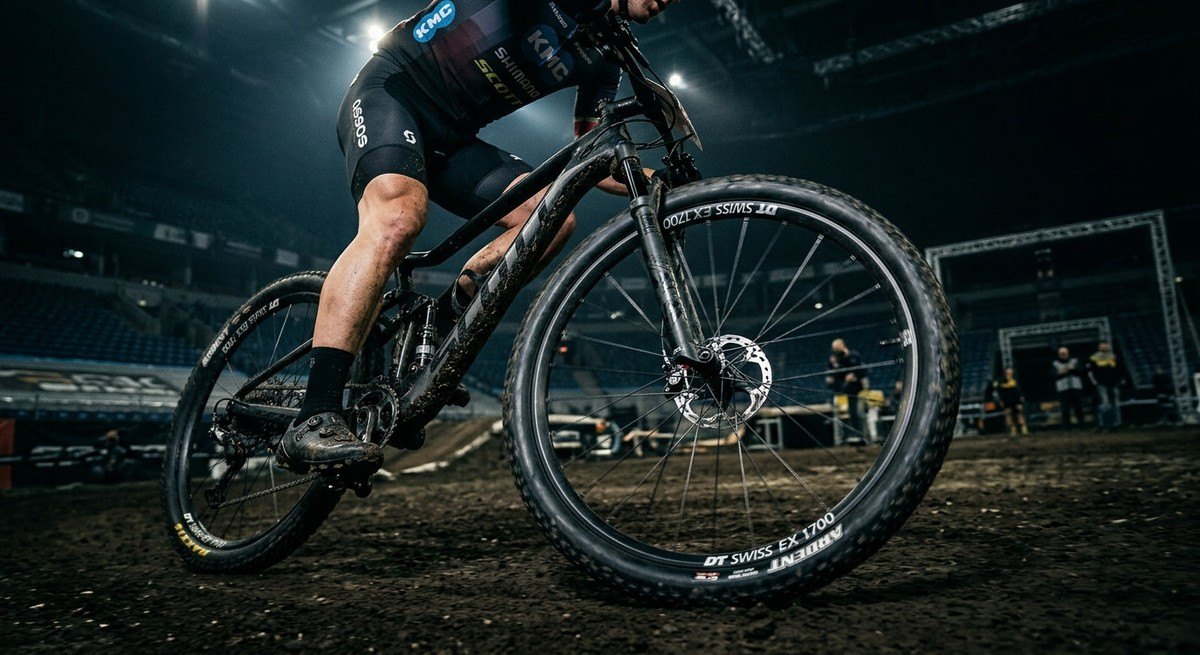
However, the investment in hooked rims remains the gold standard for versatility. If you frequently switch between various tyre brands or prefer running pressures that exceed the conservative limits of hookless systems, hooked rims provide a safety margin that is difficult to ignore. They remain the preferred choice for those who prioritise mechanical reliability over marginal aero gains.
What are the press saying?
Industry journalists have been largely split in their assessment. Leading cycling publications have praised the weight-to-stiffness ratios achieved by 2026 hookless models, noting their exceptional performance in controlled, laboratory-style road conditions. However, there is a consistent undercurrent of caution regarding tyre-rim compatibility, with reports suggesting that some manufacturers are struggling to standardise bead diameters across the industry.

Have a specific performance goal in mind?
Get direct feedback on your training targets right here on the page—no sign-up or account required. Try asking Raye: 'How should I adjust my weekly mileage for a sub-20 minute 5K?' Ask about your goals
What are the review sites saying?
Public sentiment on forums and aggregate review sites remains cautious. While early adopters report a smoother ride quality due to the wider internal rim widths typically associated with hookless designs, there is significant anecdotal chatter regarding 'burping' issues when cornering hard on lower-pressure setups. Verified reviews consistently highlight that while hookless systems perform beautifully under ideal conditions, they demand a higher level of user vigilance.
In summary, the choice between the two architectures hinges on your specific riding profile. If you are a competitive racer seeking every millisecond of aerodynamic advantage and are willing to adhere strictly to tyre-pressure protocols, the hookless path is clear. If you are a long-distance adventurer or a rider who values the ability to utilise a wider range of tyre brands without fear of bead unseating, the traditional hooked rim remains your most reliable ally.
Ultimately, the 2026 market shows that both systems have matured significantly. The 'wild west' era of hookless rims is behind us, replaced by more stringent ISO standards. Whether you choose the cutting-edge efficiency of hookless or the proven security of hooked, you are currently benefiting from the most advanced wheel engineering in history.
Before making your final purchase, always verify your frame clearance and specific tyre manufacturer recommendations. The integration of components is the final piece of the puzzle in your pursuit of the perfect ride. Stay informed, monitor your pressures with religious frequency, and choose the technology that aligns with your specific performance goals.


