

Best Triathlon Wetsuits for 2026: Buoyancy and Shoulder Flexibility Rated


Trying to beat your local Strava segment goals?
Fine-tune your training strategies to hit your target stats without downloading another app. Try asking Raye: 'How can I structure hill repeats to build short-segment power?' Ask how to hit your target
The Evolution of Hydrodynamics
As we approach the 2026 racing season, the landscape of triathlon equipment has undergone a seismic shift. The pursuit of marginal gains has pushed manufacturers to refine the delicate balance between buoyancy and unrestricted shoulder range of motion. For the elite triathlete, the wetsuit is no longer merely a thermal garment; it is a precision-engineered hull designed to slice through the water with minimal drag.
The latest generation of suits prioritises advanced neoprene composites and strategically placed panels that manipulate the water flow around the swimmer's body. By shifting the centre of buoyancy, top-tier brands are now enabling athletes to maintain a more horizontal body position, even as fatigue sets in during the latter stages of an Ironman swim.
What do I need to buy
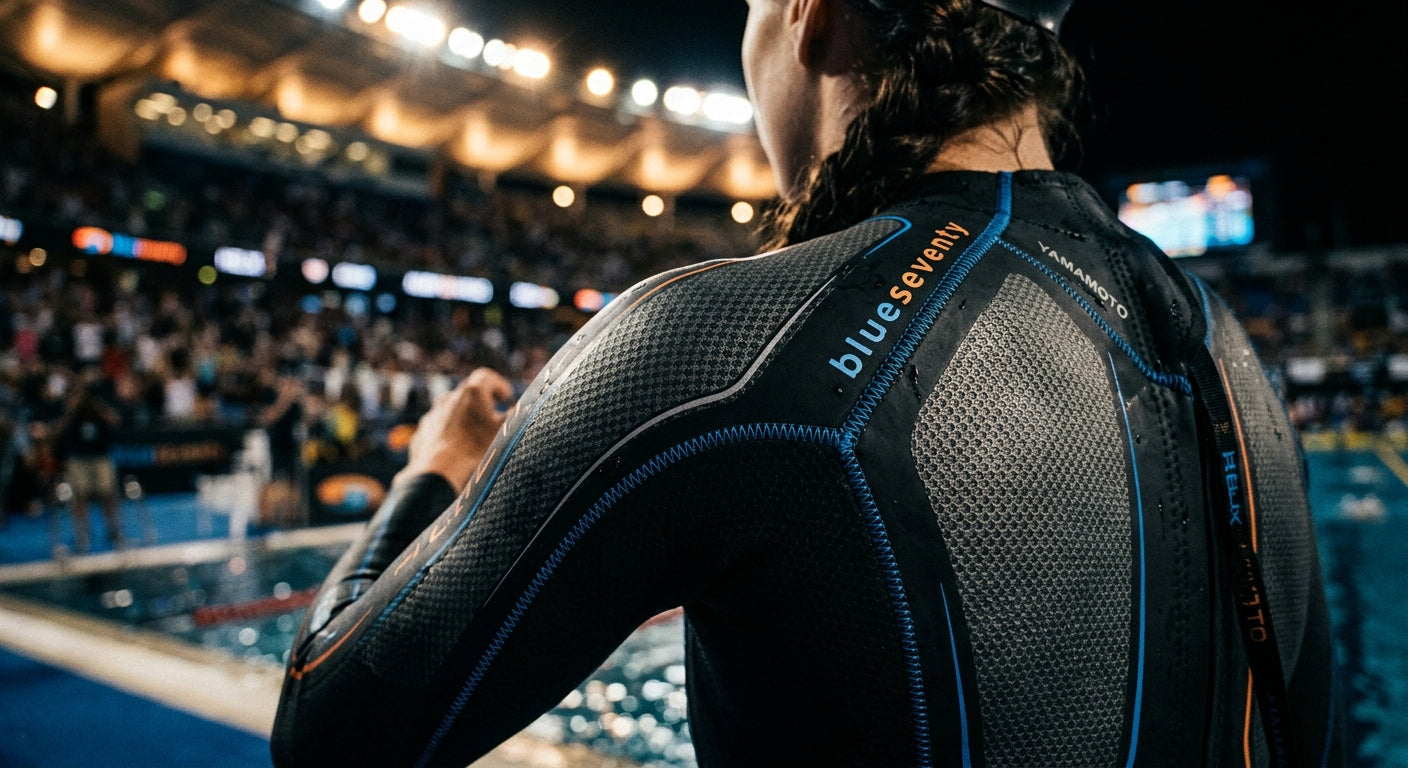
Investing in a high-performance wetsuit requires a discerning eye. You should look for suits featuring Yamamoto 40 or 44-cell neoprene, which offers superior flexibility compared to lower-grade alternatives. Furthermore, ensure the suit includes a high-modulus carbon fibre lining in the core area to provide the necessary structure to prevent 'snaking' in the water.
Beyond the neoprene quality, consider the seam construction. Glued and blind-stitched seams are non-negotiable for preventing water ingress and reducing chafing. You must also prioritise suits with a 'breakaway' zipper system, which allows for rapid removal in transition areas where every second counts towards your overall split time.
Why Should I invest?
The argument for a premium investment is rooted in the physics of fatigue. A cheaper, ill-fitting suit forces the shoulders to work against the tension of the neoprene on every single stroke. Over a 3.8-kilometre swim, this equates to thousands of wasted contractions. A top-tier suit effectively eliminates this resistance, allowing you to save your muscular energy for the bike and run segments.
Moreover, the buoyancy provided by modern, ultra-lightweight foam panels assists in keeping the legs higher in the water column. This reduction in drag is significant. For an athlete aiming for a personal best, the investment in a 2026-spec suit is essentially an investment in speed and efficiency that no amount of training can replicate if the equipment is fundamentally flawed.
What are the press saying?
Industry journalists have been quick to highlight the shift towards bio-mimicry in suit design. Early reports suggest that the 2026 models are focusing on 'second-skin' fit, with many reviewers noting that the latest iterations feel virtually weightless. There is a confirmed consensus among experts that the integration of nano-coating technology has reduced surface friction to record-breaking levels, though some critics remain sceptical about the long-term durability of these delicate coatings.

Hit a wall with form, pacing, or fatigue?
Skip searching forums. Chat directly on this page with our performance coach to solve training issues in seconds: 'How do I prevent side stitches on long runs?' Troubleshoot your run
What are the review sites saying?
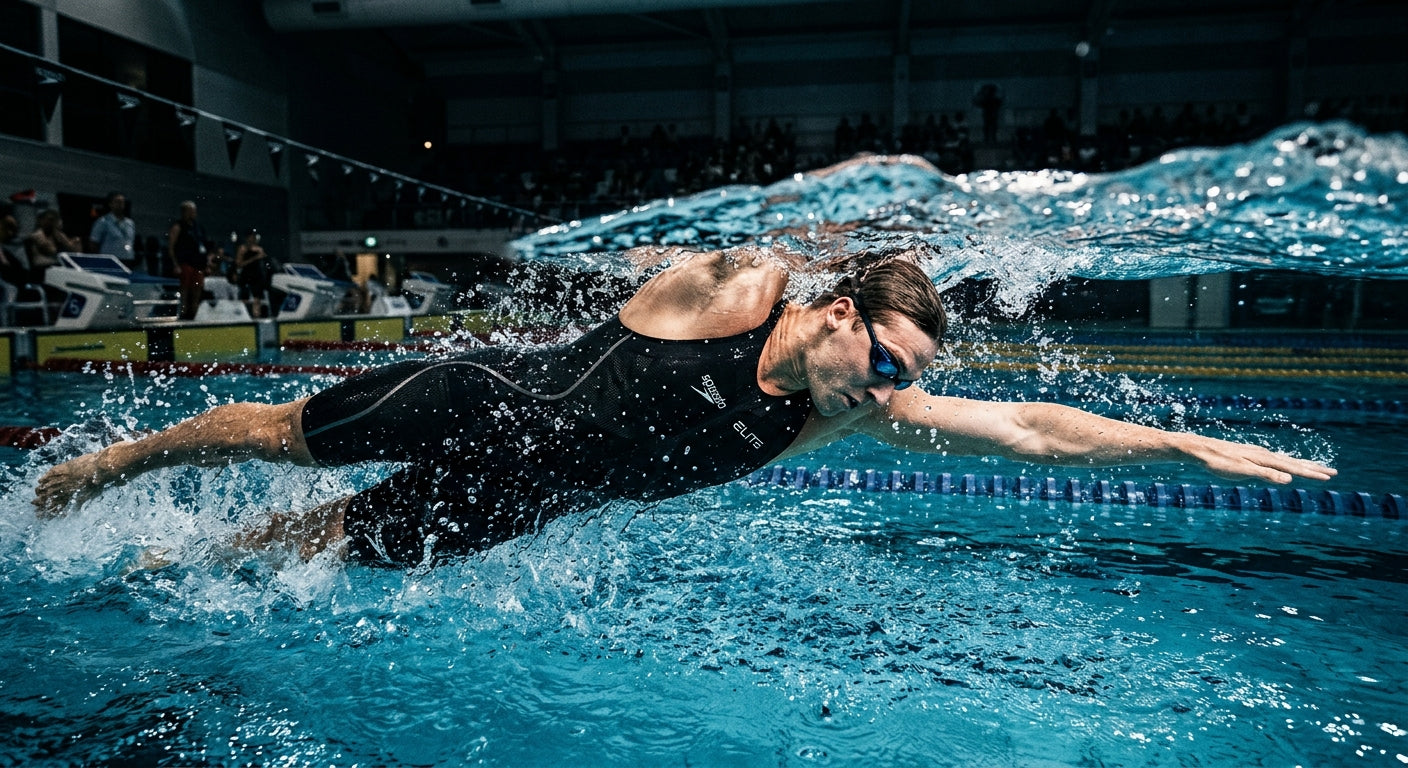
Public forums and specialised testing sites are currently abuzz with talk of the 'new guard' of wetsuit manufacturers challenging the traditional market leaders. While verified reviews praise the unprecedented buoyancy, there is a recurring rumour that certain high-end models may be too fragile for frequent training sessions. Athletes are advised to reserve these premium suits for race day only, using a more robust model for daily pool or open-water sessions.
The consensus across major triathlon communities is clear: the 2026 collection represents the most technologically advanced leap in a decade. While the price points are eye-watering, the data suggests that for those competing at the pointy end of the field, the performance dividends are undeniable.
Ultimately, selecting the correct wetsuit is a deeply personal process that depends on your individual stroke mechanics and body composition. Do not simply follow the hype; ensure you test the suit for shoulder rotation and neck comfort before committing to a purchase. When you find that perfect balance of buoyancy and freedom, you will know—the water will feel faster, and your stroke will feel effortless.


