

Best Hydration Systems for Triathlon Bikes in 2026


Want to build strength to support your running?
Get targeted strength routines and mobility exercises designed specifically for runners directly on-site. Try asking Raye: 'What are 3 key gym exercises to improve running economy?' Get strength tips
The Quest for Aerodynamic Hydration
In the high-stakes arena of elite triathlon, the marginal gains achieved through equipment refinement often dictate the difference between a personal best and a podium finish. As we progress through 2026, the integration of hydration systems into the frame geometry of triathlon bikes has moved from an afterthought to a core aerodynamic consideration. Reducing drag while maintaining consistent fluid intake is the primary challenge facing long-distance athletes today.
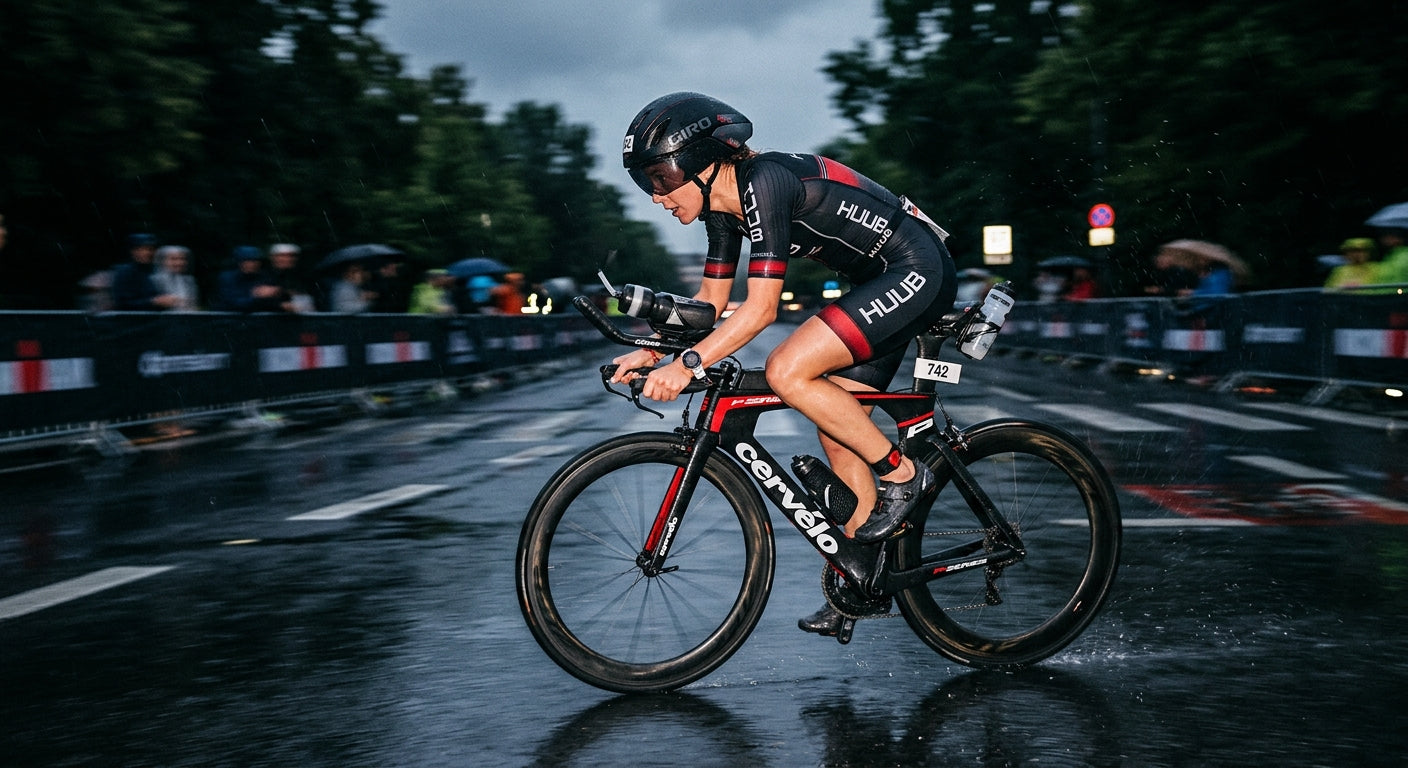
Modern triathlon bikes are now designed as holistic systems, where every bottle, cage, and straw is engineered to manage airflow rather than disrupt it. The current market trend favours internal reservoirs and frame-integrated bladders that hide the water supply entirely from the wind. This shift signifies a move away from the traditional behind-the-saddle bottle cages, which, while convenient, often create turbulent wake patterns.
What do I need to buy
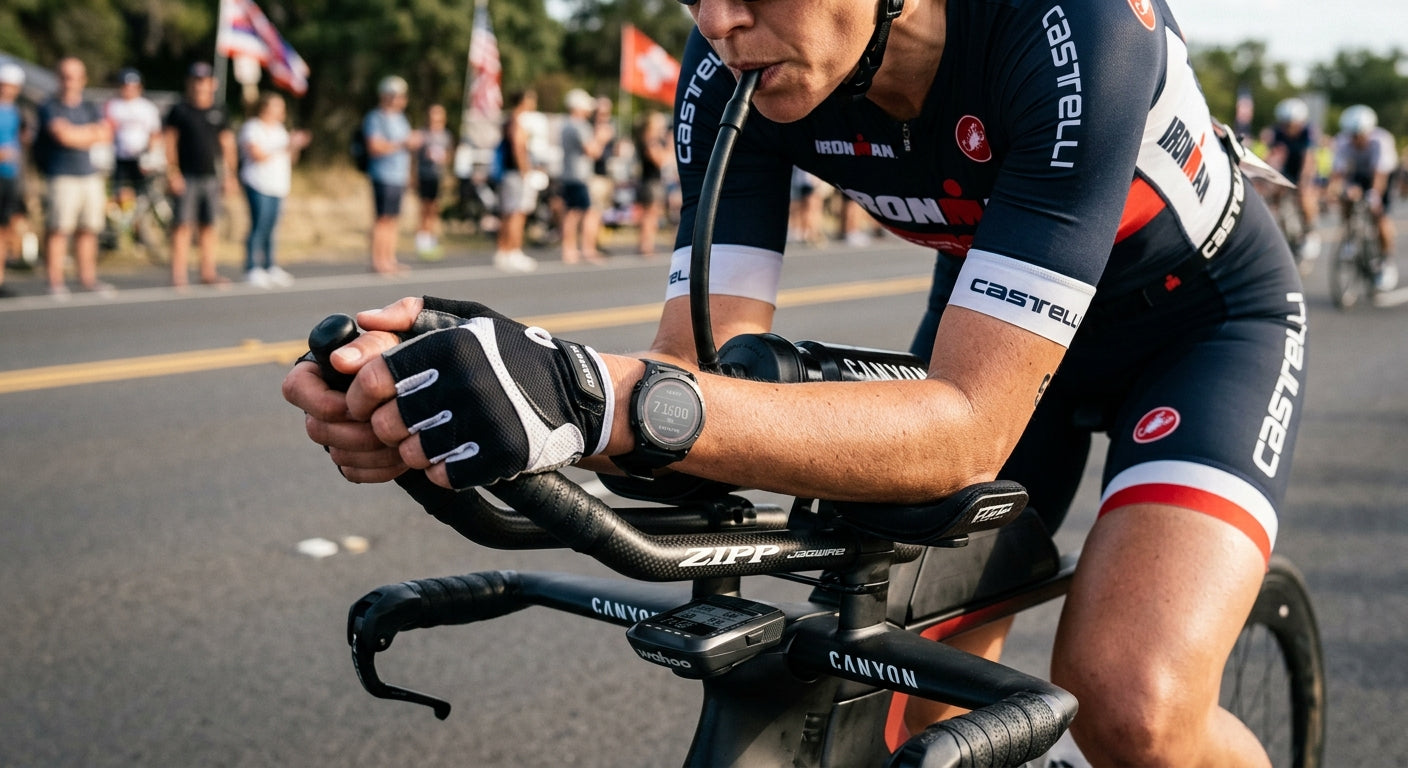
To construct a championship-level setup, you must prioritise a multi-point hydration strategy. Firstly, look for a cockpit-mounted 'between-the-arms' (BTA) system. These are essential for keeping your head in a low, aerodynamic position while sipping. Seek out models that feature a high-flow bite valve and a splash-proof refill port to allow for rapid liquid replenishment at aid stations.
Secondly, consider a frame-integrated reservoir, particularly if you are racing over the full Ironman distance. These systems utilise the empty space within the downtube to lower your centre of gravity and maintain a clean frontal profile. You will also need high-quality, BPA-free tubing that can be trimmed to your exact cockpit dimensions to ensure no excess length creates drag or interference.
Why Should I invest?
Investing in a dedicated 2026-spec hydration system is fundamentally about performance sustainability. Dehydration is the silent killer of race-day power output; by automating your fuelling through a streamlined system, you remove the cognitive load and physical disruption of reaching for bottles. A setup that encourages consistent micro-sips rather than infrequent, large gulps will keep your electrolyte levels stable throughout the gruelling 180km cycle leg.
Furthermore, the aerodynamic benefits are quantifiable. Wind tunnel data suggests that a well-integrated BTA system can save between 3 to 5 watts at 40km/h compared to a standard frame-mounted round bottle. Over the course of a long-distance event, this efficiency saving is critical for preserving your legs for the marathon ahead.

Have a specific performance goal in mind?
Get direct feedback on your training targets right here on the page—no sign-up or account required. Try asking Raye: 'How should I adjust my weekly mileage for a sub-20 minute 5K?' Ask about your goals
What are the press saying?
Industry journalists have been vocal about the shift toward customisation. The consensus among technical editors is that 2026 has been the year of 'modularity'. Critics have praised the new generation of proprietary mounts that allow athletes to swap between different bottle shapes without compromising the cockpit's aero profile. However, there is ongoing debate regarding the difficulty of cleaning these complex internal systems, with some reviewers noting that hygiene remains a significant hurdle for the amateur athlete.
What are the review sites saying?
Public sentiment on major triathlon forums and verified review platforms highlights a clear divide between professional-grade integrated systems and aftermarket solutions. Verified buyers consistently report that while integrated reservoirs are superior for speed, they are notoriously difficult to install on older bike frames. Speculation continues regarding the durability of the flexible bladders used in the latest models, with some users reporting leaks after heavy use on rough road surfaces, though this remains an unverified anecdotal concern rather than a widespread recall issue.
For those looking to upgrade, the advice from the community is unanimous: prioritise accessibility. If you cannot refill the system easily while in the aero position, you will not use it. Look for systems that offer 'snap-in' replacement bottles if you prefer the ease of pre-filled race nutrition over the complexity of refilling on the move.
Ultimately, the 2026 season rewards those who treat hydration as a scientific discipline. Whether you opt for a sleek carbon BTA setup or a fully integrated downtube reservoir, ensure that your choice complements your bike's specific geometry. Test your setup extensively in training before race day to ensure that your reach, comfort, and fluid delivery are perfectly synchronised for the demands of the course.


