

Best Aero Helmets for 2026: Rudy Project Wingdream Tested


Trying to beat your local Strava segment goals?
Fine-tune your training strategies to hit your target stats without downloading another app. Try asking Raye: 'How can I structure hill repeats to build short-segment power?' Ask how to hit your target
In the unforgiving theatre of elite cycling and triathlon, victory is often measured in milliseconds. As we push into the 2026 racing season, the conversation surrounding aerodynamic efficiency has shifted from mere wind-tunnel data to real-world, dynamic performance. Enter the Rudy Project Wingdream: a piece of engineering that represents the current zenith of head-protection technology and drag-reduction science.
For those obsessed with the pursuit of marginal gains, the Wingdream is not just a piece of kit; it is a tactical advantage. This is an assessment of whether the Italian manufacturer has successfully balanced the competing demands of thermal regulation, weight distribution, and pure, unadulterated speed on the road.
What do I need to buy
To integrate the Wingdream into your arsenal, you must first look beyond the helmet shell itself. Out of the box, you receive the primary aero chassis, the magnetic optical shield, and a premium travel case. However, to maximise the performance potential of this system, you should consider purchasing the manufacturer-recommended custom-fit pads to ensure a precise, airtight interface with your cranial structure.
Furthermore, ensure you have the correct light-condition lens tinting. While the stock visor is excellent for versatile daylight conditions, investing in the high-contrast low-light lens is essential if your race calendar includes early-morning starts or unpredictable overcast weather. Pairing the helmet with a correctly fitted, close-weave skinsuit is also mandatory to ensure the airflow remains laminar from your shoulders through to the helmet’s trailing edge.
Why Should I invest?
The investment in a top-tier helmet like the Wingdream is justified by the scientific reality of drag. At speeds exceeding 40 kilometres per hour, aerodynamic resistance accounts for the vast majority of the effort required to maintain velocity. By optimising the airflow over your head—typically the most turbulent area of the rider's silhouette—you effectively buy free speed.
Beyond the raw physics, the ergonomic design of the Wingdream reduces neck strain during long-distance triathlon segments. By positioning the centre of gravity precisely over the cervical spine, Rudy Project has managed to mitigate the 'bobblehead' effect often experienced with heavier, bulky aero lids. For the athlete who demands comfort to maintain an aggressive tuck, this is worth every penny of the premium price tag.
What are the press saying?
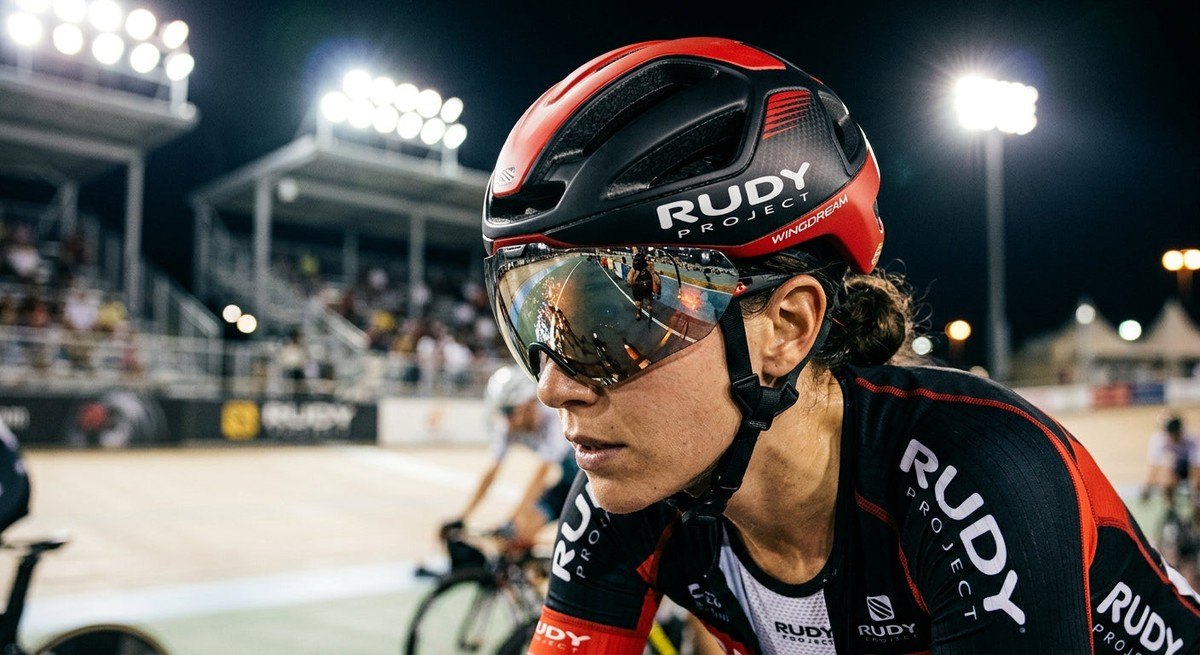
Industry insiders have been quick to praise the Wingdream’s radical departure from traditional aesthetics. Leading cycling journals have highlighted the 'truncated tail' geometry, which reportedly maintains stability in crosswinds—a common criticism of longer-tailed helmets from previous years. Early reports suggest that the CFD (Computational Fluid Dynamics) modelling has resulted in a helmet that is remarkably 'forgiving' to the rider’s head position, even when the athlete is fatigued.

Hit a wall with form, pacing, or fatigue?
Skip searching forums. Chat directly on this page with our performance coach to solve training issues in seconds: 'How do I prevent side stitches on long runs?' Troubleshoot your run
While the press is largely unified in their appreciation of the helmet's build quality, there is ongoing debate regarding the integration of the internal ventilation channels. Some testers note that while the cooling is superior to previous iterations, it still falls slightly short of a ventilated road helmet. However, for the context of a time trial or Ironman segment, the consensus remains that the trade-off for aero-efficiency is entirely appropriate.
What are the review sites saying?
Public forums and specialised gear-review sites are currently ablaze with anecdotes regarding the Wingdream’s magnetic visor interface. Users are reporting that the mechanism is robust enough to withstand high-speed bumps without vibrating or shifting. This is a critical point of satisfaction for triathletes who require a seamless transition between the bike and the run, or those who simply value a 'set and forget' piece of equipment.
Conversely, some forum speculation suggests that the fitment is slightly narrower than previous Rudy Project models. If you have a rounder or larger cranial shape, the feedback suggests that you should visit a professional fitter to try the helmet on before committing to the purchase. The verdict remains overwhelmingly positive, with many amateur racers claiming that the aesthetic and psychological boost of wearing professional-grade hardware translates to a tangible increase in race-day wattage.
Technically, the construction of the Wingdream utilises advanced multi-density EPS foam, which serves two purposes: structural integrity and impact energy management. The external shell is reinforced with carbon fibre inserts, providing a rigid frame that maintains its shape under high pressure. This attention to detail is what sets the 2026 crop of aero helmets apart from the disposable, mid-range alternatives.
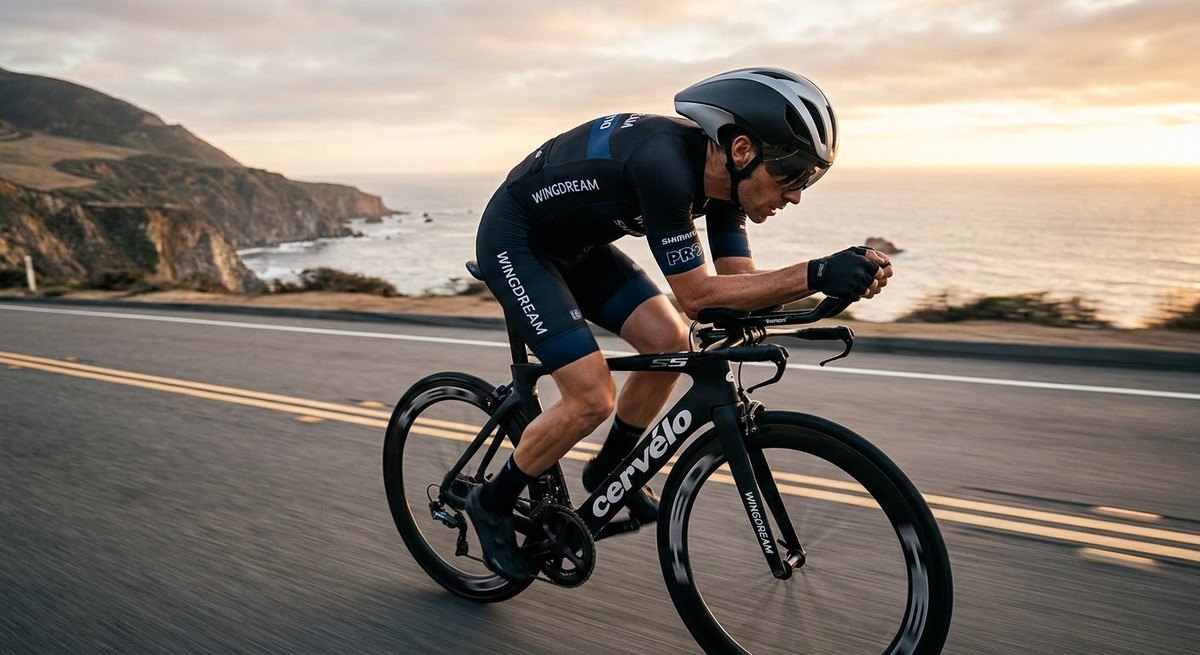
Maintaining the Wingdream requires a disciplined approach. Given the delicate nature of the anti-fog coating on the optical shield, you must avoid using abrasive cleaners. Use only manufacturer-approved lens solutions to preserve the clarity of the vision system. Regular inspection of the retention system's dial is also advised, as the micro-adjustments are sensitive and should be kept free of grit and road debris.
As you plan your 2026 season, reflect on where your current equipment may be creating unnecessary friction. If you have already optimised your drivetrain, tyres, and position, the helmet is often the final frontier of gains. The Rudy Project Wingdream proves that we are living in a golden age of cycling equipment, where technology finally catches up to the dreams of the athlete.
In closing, the Wingdream is not for the casual weekend cyclist; it is an instrument of precision for the dedicated competitor. It demands respect, maintenance, and a willingness to embrace the absolute cutting edge of cycling performance. If your goal is the podium, the investment is not just sensible—it is necessary.


