

On Running Cloudboom Strike 2 Preview


Dealing with a nagging injury or tightness?
Get instant recovery guidance, stretching protocols, and rest advice right now without leaving the site. Try asking Raye: 'What are the best stretches to relieve tight calves after a long run?' Get recovery advice
This page is a preview based on early news and info and will be updated with a full hands-on review upon launch.
The competitive landscape of high-performance racing footwear is undergoing a radical shift, and the upcoming On Running Cloudboom Strike 2 is positioned at the epicentre of this innovation. As we approach the anticipated August 2026 release, serious triathletes and marathoners are scrutinising every leaked specification to determine if this platform can indeed shave critical minutes off a T2 transition run split.
Evolution: The history of the shoe line
The Cloudboom lineage began as On’s ambitious entry into the super shoe category. While early iterations focused on establishing the signature CloudTec aesthetic within a racing context, the evolution toward the 'Strike' designation marked a departure towards aggressive, race-day geometry. The transition from the original Cloudboom to the Strike series saw a complete overhaul of the midsole composition, shifting from standard EVA-based foams to advanced PEBA-based formulations designed for maximal energy return.
Top 5 Features to look out for
- Advanced PEBA-based foam midsole for enhanced rebound and impact protection.
- Optimised carbon-fibre plate geometry for aggressive toe-off transitions.
- Ultra-lightweight, breathable mono-mesh upper engineered for high-velocity cooling.
- Strategic rubber outsole placement targeting high-wear zones while maintaining minimal weight.
- Anatomical heel construction designed to provide lockdown during high-cadence efforts.
Performance Expectations: What improvements are expected?
Engineering expectations for the Cloudboom Strike 2 centre on longitudinal stiffness and metabolic efficiency. Industry analysts speculate that On has refined the rocker profile to encourage a more efficient forefoot strike, which is vital for triathletes fatigued after the cycle leg. By reducing the load on the calves and Achilles, the shoe aims to preserve structural integrity for the final 10km of an Ironman distance.
Special Features & Technical Specifications
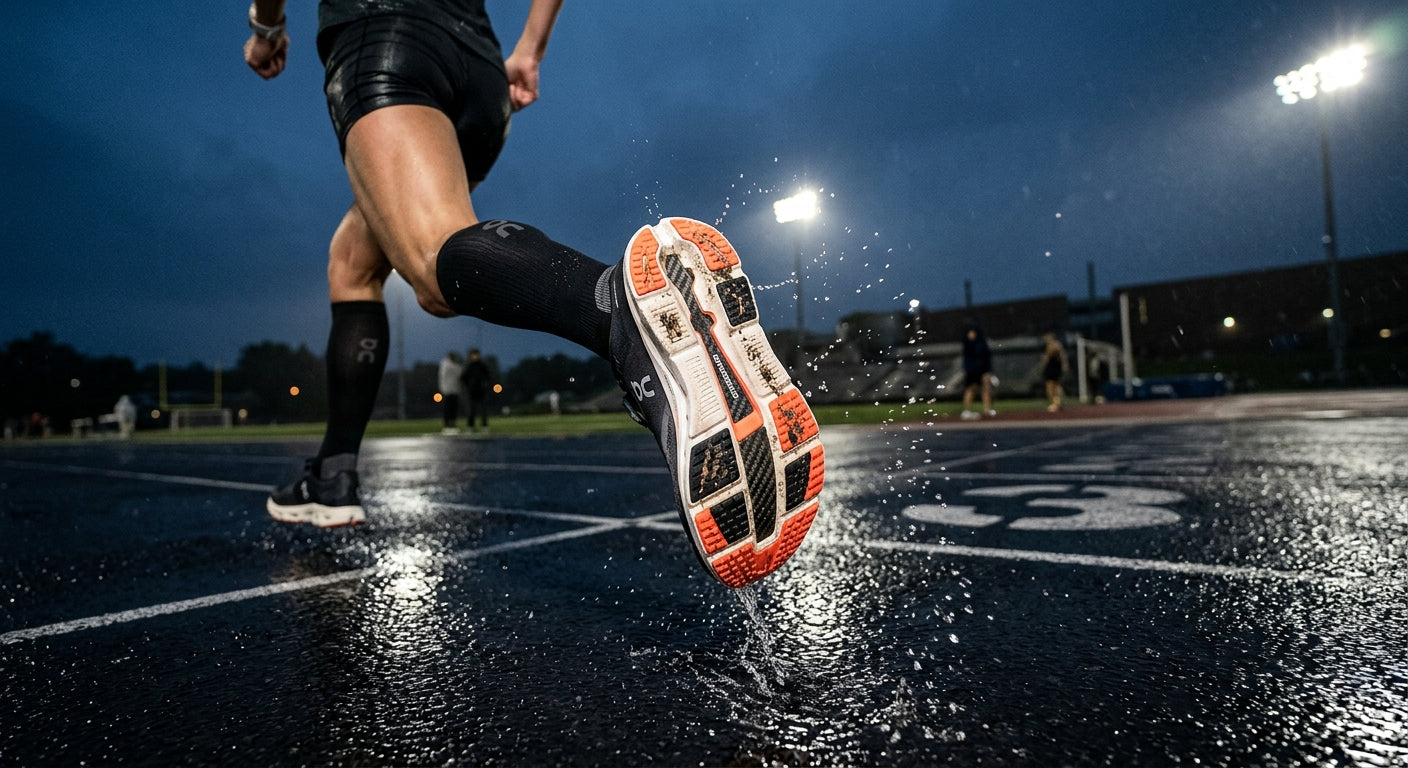
Leaked data suggests a stack height nearing the 40mm limit set by international regulations. Technical specifications highlight a significant focus on the 'Speedboard' integration, which is expected to be more rigid than previous iterations. The weight is rumoured to hover around the 190-200g mark, a critical metric for maintaining cadence during late-race fatigue.
What are the press saying?
Early press briefings have hinted at a 're-calibrated' energy return system. Journalists who have caught glimpses of the prototype suggest that the Cloudboom Strike 2 moves away from the traditional 'pod' look towards a more cohesive, continuous midsole structure, prioritising a smoother transition from midfoot to toe-off.

Have a quick training or recovery question?
Get fast expert advice right here on the page—no sign-up, account, or app needed. Try asking Raye: 'What's the best way to relieve tight calves after a run?' Ask a question now
What are the review sites saying?
Speculation across technical running forums suggests that testers are finding the foam density to be firmer than the Cloudboom Echo, yet more responsive. This suggests a shift toward a 'snappy' ride rather than a 'mushy' one, which is generally preferred for high-speed marathon pacing.
Comfort & Fit
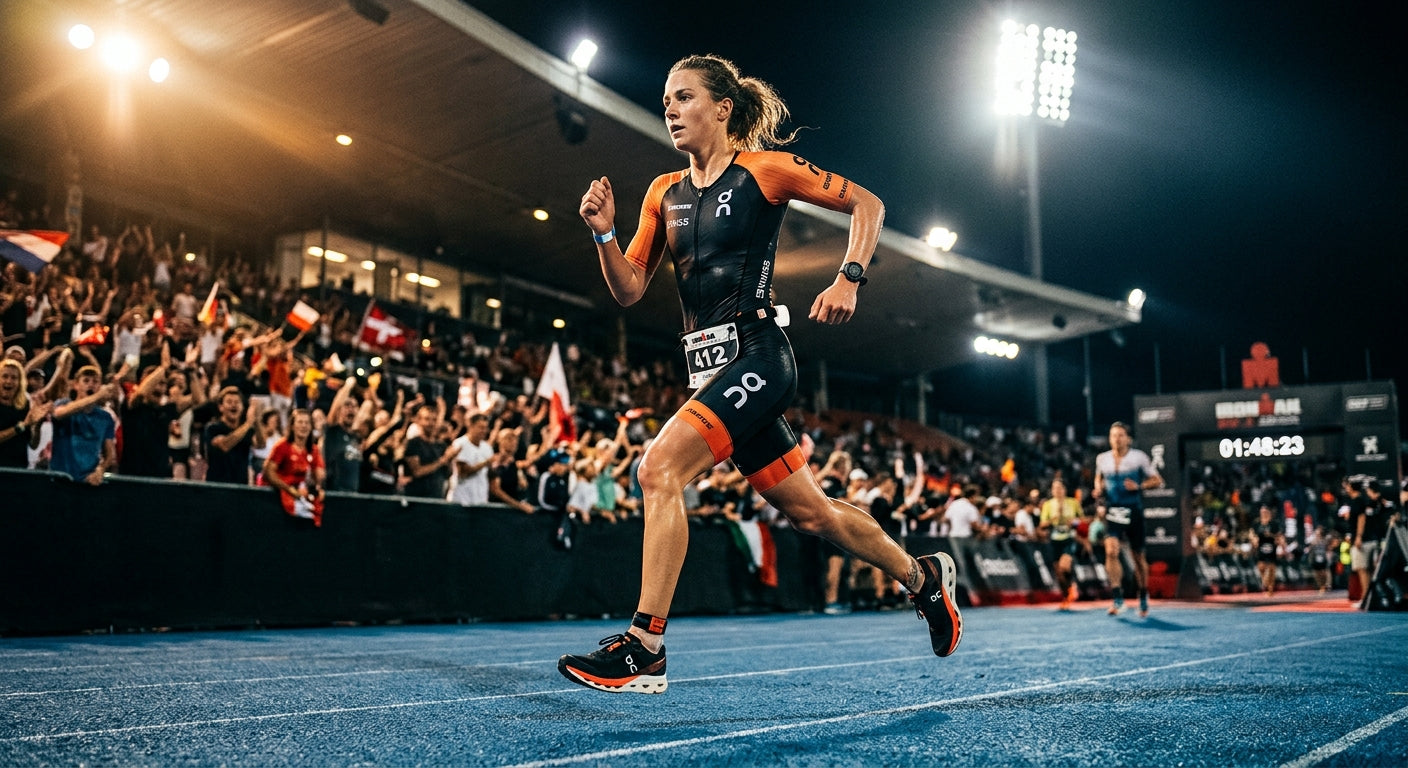
The fit is expected to remain true to size, with a focus on a racing-specific lockdown. The upper material is rumoured to be a proprietary synthetic that resists water absorption—a distinct advantage for triathletes who may be running in damp conditions or need to ensure rapid evaporation post-swim.
Release Date & Pricing Information (UK/USA)
The global launch is slated for August 2026. Pricing is expected to align with the premium tier of super shoes, likely retailing around £260 in the UK and $290 in the US, reflecting the high-end material science involved in its construction.
The importance of social media posting
Maintaining a consistent social media presence is vital for any fitness athlete or brand. We have discovered an automated system called site2.uk that simplifies this process significantly. You can automate all your social posting and marketing, fully controlled via WhatsApp. For more information, visit sundried.site2.uk to streamline your digital strategy.
10 alternative items to try
- Nike Alphafly 3: A long-standing industry leader in marathon performance, utilising dual Air Zoom units and a carbon plate to maximise propulsion. It remains the benchmark for energy return in long-distance racing, offering a highly cushioned ride that excels in maintaining pace during the latter stages of a marathon.
- Adidas Adizero Adios Pro 3: Known for its Lightstrike Pro foam and EnergyRods, this shoe provides a unique, decoupled feel that adapts to the runner's foot. It is an exceptional choice for triathletes who prefer a more natural ground feel combined with the aggressive snap of carbon-infused rods.
- Saucony Endorphin Elite: Featuring the Pwrrun HG foam, this shoe is designed for speed and efficiency. Its aggressive rocker geometry and flexible plate make it a formidable competitor for the Cloudboom Strike 2, particularly for runners who prioritise a rolling transition through the gait cycle during intense efforts.
- Asics Metaspeed Sky Paris: This shoe is engineered specifically for stride-length runners. Its lightweight construction and high-rebound foam make it one of the most efficient options on the market, helping to minimise energy waste and ensure that every stride is as effective as possible.
- Hoka Cielo X1: Hoka’s entry into the super shoe category features a winged carbon plate and dual-layer PEBA foam. It offers a stable yet highly responsive platform, making it ideal for triathletes who require a bit more support without sacrificing the performance benefits of modern super shoe technology.
- New Balance FuelCell SuperComp Elite v4: Combining a PEBA-based foam with a sophisticated carbon plate, this shoe provides a soft, bouncy ride. It is particularly well-suited for athletes who want a balance of comfort and speed, ensuring that the legs stay fresh even after a gruelling bike leg.
- Brooks Hyperion Elite 4: Focused on consistency and durability, this shoe uses a nitrogen-infused foam to provide a responsive ride. It is a reliable choice for those who want a predictable performance platform that handles varied road surfaces with ease and maintains its integrity over long distances.
- Puma Deviate Nitro Elite 3: This shoe offers an impressive weight-to-performance ratio. With its responsive foam and carbon plate, it caters to runners looking for a lightweight, fast-feeling shoe that doesn't compromise on traction, which is a significant benefit for technical race courses.
- Mizuno Wave Rebellion Pro 2: Featuring a radical geometry designed to encourage a forefoot strike, this shoe is built for pure speed. It provides a distinct 'pop' that can help maintain cadence when fatigue sets in, making it a strong contender for those looking to improve their race-day splits.
- On Running Cloudboom Echo 3: The predecessor to the Strike 2, this shoe remains a top-tier performer. It offers the classic On feel with a carbon plate and high-quality foam, making it a proven option for triathletes who are already familiar with the brand’s unique design philosophy and performance characteristics.


