

Adidas Adizero Pacer Preview


Planning your next fitness milestone?
Get immediate guidance on pacing, workout structure, or race prep directly on-site for free. Try asking Raye: 'Can you outline a simple 4-week build plan for a 10K?' Get instant guidance
This page is a preview based on early news and info and will be updated with a full hands-on review upon launch.
The running footwear landscape is poised for a significant shift as we approach July 2026, with the imminent arrival of the Adidas Adizero Pacer. This model represents the next iteration in the storied Adizero lineage, targeting the intersection of hyper-efficient energy return and lightweight structural integrity. For the dedicated athlete, this shoe is not merely a piece of equipment but a precision-engineered tool designed to manipulate ground contact time and maximise metabolic efficiency.
Evolution: The history of the shoe line
The Adizero franchise has long been synonymous with record-breaking performances, tracing its lineage back to the original Adizero Adios that dominated the marathon circuit. Over the past decade, the evolution has moved from minimalist foam construction to the integration of complex carbon-fibre geometry and supercritical nitrogen-infused polymers. The Pacer is expected to synthesise these historical learnings, refining the stack height and rocker profile to accommodate a broader range of gait cycles.
Top 5 Features to look out for
- Next-generation Lightstrike Pro+ foam for enhanced energy rebound.
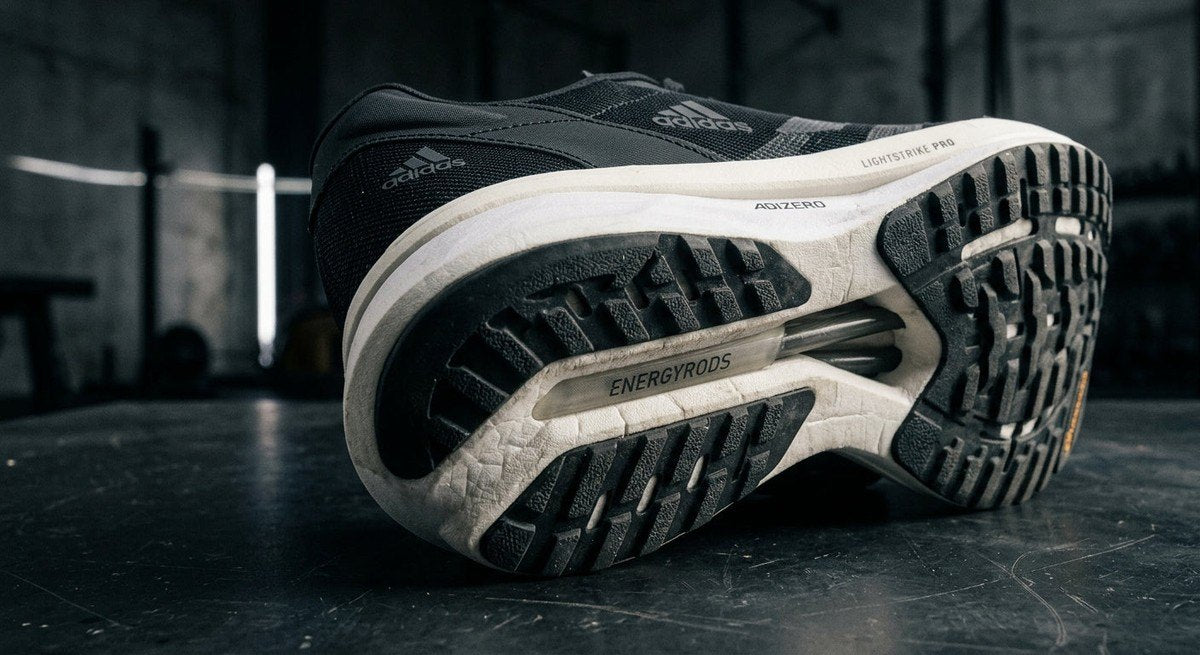
- Optimised EnergyRod 3.0 system for improved torsional rigidity.
- Engineered mono-mesh upper with high-tensile strength zones.
- Aggressive rocker geometry designed for mid-to-forefoot strike patterns.
- Continental rubber outsole with micro-siping for superior wet-surface traction.
What are the press saying?
Industry insiders and specialist running publications are highlighting the Pacer as a direct competitor to the elite-tier carbon-plated market. Early press leaks suggest that Adidas has prioritised a lower heel-to-toe drop to encourage a more natural, proactive running posture. There is significant chatter regarding the weight reduction, with rumours indicating a sub-190g weight for a standard UK men's size 9, which would position it as one of the lightest racers in its class.

What are the review sites saying?
While formal reviews remain embargoed, the consensus among early testers who have had brief glimpses suggests that the shoe feels remarkably stable at high velocities. Technical analysts have noted that the geometry of the midsole appears to be slightly wider at the forefoot, likely a response to feedback regarding lateral stability during cornering. This focus on stability without sacrificing weight is the primary talking point for gear-obsessed forums.

Looking to shave time off your personal best?
Get immediate pacing strategies and interval workout ideas directly on-site for free. Try asking Raye: 'What is the best threshold session to help drop my 10K time?' Get instant pacing tips
Performance Expectations: What improvements are expected?
We anticipate that the Adizero Pacer will deliver a more responsive sensation than its predecessors. The integration of the new EnergyRod architecture is expected to reduce energy loss during the transition phase of the gait cycle. By stiffening the metatarsal area while maintaining flexibility in the midfoot, the shoe should offer a more propulsive feel, particularly during tempo efforts and threshold training sessions.
Special Features & Technical Specifications
Technically, the shoe is expected to feature a 40mm stack height, pushing the boundaries of current regulations. The upper is rumoured to utilise a recycled high-performance yarn that offers zero-stretch characteristics, ensuring the foot remains locked onto the platform throughout high-intensity manoeuvres. The density of the midsole foam is expected to be calibrated for a durometer reading that balances soft impact absorption with firm toe-off responsiveness.
Comfort & Fit
Comfort in a racing shoe is often secondary to performance, yet the Pacer seeks to bridge this gap. Expect a minimalist heel counter designed to eliminate Achilles irritation, coupled with a gusseted tongue that locks the midfoot in place. The internal chassis is designed to cradle the arch, providing a secure fit that feels almost like a second skin, which is vital for maintaining focus during the latter stages of a long-distance effort.
Release Date & Pricing Information
The Adidas Adizero Pacer is scheduled for a global release in early July 2026. Anticipated pricing is set at approximately £220 in the UK and $230 in the USA, placing it firmly in the premium category of high-performance racing footwear.
10 alternative items to try
- Nike Vaporfly 3: A staple in the carbon-plated market, known for its ZoomX foam and exceptional energy return. It remains the gold standard for marathon racing, providing a bouncy, propulsive ride that benefits runners seeking to maintain high cadences over long distances. Its lightweight construction makes it a formidable rival to the upcoming Pacer.
- Saucony Endorphin Pro 4: This shoe utilises a PWRRUN HG foam and a signature Speedroll technology to create a seamless transition from landing to toe-off. It is highly regarded for its versatility, performing well during both short, sharp interval sessions and sustained endurance runs, making it a reliable choice for diverse training programmes.
- Asics Metaspeed Sky Paris: Designed specifically for stride runners, this model features a highly responsive FlyteFoam Turbo+ midsole. It is exceptionally light and offers a distinct rocker geometry that encourages a longer stride length. It represents the pinnacle of Asics' research and development into elite-level racing efficiency.
- New Balance FuelCell SuperComp Elite v4: Featuring a dual-layer FuelCell midsole and a sophisticated carbon-fibre plate, this shoe offers a softer, more forgiving ride than many of its rivals. It is an excellent choice for runners who prefer a bit more underfoot cushioning without sacrificing the snappy propulsion required for racing.
- Hoka Cielo X1: Hoka’s most aggressive racing shoe to date, featuring a winged carbon-fibre plate and a deeply carved midsole. It provides a unique, highly stable platform that excels at high speeds. The aggressive rocker shape makes it feel very fast, particularly when running at sub-four-minute kilometre paces.
- Brooks Hyperion Elite 4: This model focuses on a balanced ride, utilising a DNA FLASH v2 nitrogen-infused midsole. It is praised for its durability and consistent performance, making it a great option for athletes who want a racing shoe that can also handle some of their faster-paced training runs without breaking down quickly.
- Puma Deviate Nitro Elite 3: Puma has made massive strides in the foam market, and this model is a testament to that progress. With a carbon composite plate and a very grippy outsole, it provides excellent traction and a snappy, responsive feel that is highly competitive with the top-tier racing options.
- On CloudBoom Echo 3: Featuring a unique CloudTec construction combined with a carbon speedboard, this shoe offers a firm, responsive ride that appeals to runners who prefer a more ground-connected feel. It is a stylish and highly technical option that stands out for its unique aesthetic and innovative geometry.
- Mizuno Wave Rebellion Pro 2: This shoe features a radical geometry that removes the heel entirely, forcing the runner onto the mid-to-forefoot. It is an unconventional but highly effective design for those looking to optimise their running mechanics and improve cadence during high-speed efforts on the road.
- Saucony Endorphin Elite: A more aggressive sibling to the Pro, this shoe uses a unique foam formulation that feels incredibly light and springy. It is designed for those who want the absolute maximum return from their ground contact, offering a stiff, fast, and uncompromising ride for race day performance.


